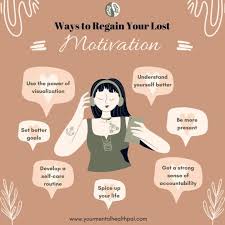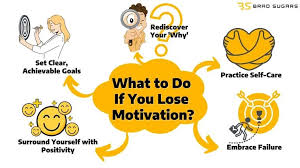
Staying motivated everyday involves setting clear, achievable goals, breaking them into smaller steps, celebrating small wins, maintaining a positive mindset, and building a supportive routine. It’s about understanding what drives you and creating consistent habits to keep that drive alive.
What Keeps Us Going (And What Stops Us)
Motivation is like a muscle. You need to work it to make it strong. It’s what makes you start something.
It also helps you keep going, even when things get tough. Think about it. Why do you want to do something in the first place?
Often, it’s because you see a reward. Or maybe you feel it’s important. It could also be something you simply enjoy doing.
But sometimes, that feeling just disappears. You might feel tired. Maybe you’re worried about failing.
Or perhaps the task feels too big. These things can really drain your energy. They can make you want to give up before you even start.
It’s like trying to push a car uphill. It takes a lot of effort. And if you don’t see progress, it’s easy to get discouraged.
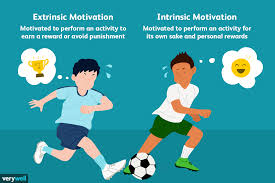
Experts call this the difference between intrinsic and extrinsic motivation. Intrinsic means you do it because you love it. The reward is the act itself.
Extrinsic means you do it for an outside reward. That could be money, praise, or avoiding punishment. Both are important.
But relying too much on one can make things harder in the long run.
My Own Motivation Meltdown
I remember one time, I was working on a big project for my blog. I was so excited at first. I had all these ideas.
I could see the finished product in my head. But then, I hit a wall. The research was harder than I thought.
The writing felt clunky. Every day, I’d sit down at my computer, and just stare at the screen. The initial excitement had vanished like mist in the sun.
I felt a knot of panic in my stomach. I started thinking, “Maybe I’m not cut out for this.” It was awful. I almost quit.
I felt so stuck. My own enthusiasm had just packed its bags and left.
That was the moment I knew I needed a better plan. I couldn’t just wait for inspiration to strike. I had to learn how to create it.
I started reading about habits. I looked into how people manage their energy. I learned that waiting for the “feeling” of motivation is a trap for many creatives and go-getters.
It’s much more about discipline and systems. That experience taught me a huge lesson. Motivation isn’t a magical force.
It’s something you build. It’s something you nurture.
Your Motivation Toolkit: What You Need
Think of your motivation like a toolbox. You need different tools for different jobs. What’s in your current box?
Maybe you have a hammer (your big goals). But do you have tiny screwdrivers (small steps)? Or a level (self-compassion)?
A good toolkit helps you tackle any challenge.
Here are a few essential tools:
- Clear Vision: Knowing where you’re headed.
- Actionable Steps: Breaking big goals down.
- Positive Reinforcement: Celebrating wins, big or small.
- Resilience Skills: Bouncing back from setbacks.
- Self-Awareness: Understanding your own triggers and needs.
Setting Goals That Actually Work
One of the biggest mistakes people make is setting goals that are too vague. You might say, “I want to be healthier.” That’s a nice idea. But what does “healthier” really mean?
Does it mean eating more vegetables? Exercising more? Sleeping better?
Without clear goals, it’s hard to know what to do next.
SMART goals are a popular way to make things clearer. SMART stands for Specific, Measurable, Achievable, Relevant, and Time-bound. Let’s break that down.
Your goal needs to be specific. Instead of “eat better,” try “eat one serving of vegetables with lunch and dinner every day.”
It also needs to be measurable. How will you know if you’re doing it? You can track it.
Maybe you keep a food journal. Or use a checklist. The goal must be achievable.
Don’t aim to run a marathon next week if you’ve never run before. Start with short walks. Make sure the goal is relevant to you.
Does it truly matter to your life? Finally, it needs to be time-bound. Give yourself a deadline.
This creates a sense of urgency.
For example, instead of “write more,” a SMART goal could be: “Write for 30 minutes every morning, Monday through Friday, for the next month.” That’s much more concrete. You know exactly what to do. You know when to do it.
And you can measure your progress. This makes it easier to stay on track. It helps you feel like you’re actually moving forward.
Goal Setting: A Quick Scan
Here’s a simple comparison to see if your goals are on the right track:
| Type of Goal | Motivation Impact | Likelihood of Success |
|---|---|---|
| Vague (“Get fit”) | Low, confusing | Low |
| Specific (“Walk 30 mins daily”) | Medium, clearer direction | Medium |
| SMART (“Walk 30 mins M-F for 1 month”) | High, actionable and measurable | High |
The Power of Small Steps
Big goals can feel overwhelming. That’s when you get that “deer in headlights” feeling. It’s easy to freeze up.
The best way to beat this is to break them down. Think about climbing a huge staircase. You don’t leap to the top.
You take one step at a time. Each step is small. But together, they get you to your destination.
When you have a large project, ask yourself: “What’s the very first, tiny thing I can do?” Maybe it’s just opening a document. Or gathering materials. Or writing a single sentence.
Doing even a small action builds momentum. It tells your brain, “Okay, we’re doing this.” That little bit of progress can make the next step feel less daunting.
This is especially true for habits. Want to read more? Start with one page a day.
Want to learn a new skill? Spend 10 minutes practicing. These small, consistent actions add up faster than you think.
They create a sense of accomplishment. This little win fuels your motivation for the next small step. It’s like a snowball rolling downhill.
It gets bigger and faster.
Many people wait for the “perfect” time to start. They wait until they “feel like it.” But this rarely happens. The best time to start is now.
Even if it’s just for five minutes. The key is consistency. Showing up, even in a small way, is more important than perfection.
It trains your brain to associate the task with action, not avoidance.
Celebrate Your Wins, No Matter How Small
We are often very good at spotting what we haven’t done. We focus on the failures. This can really kill your motivation.
It’s crucial to acknowledge your successes. Even the tiny ones. When you finish a small task, take a moment.
Say to yourself, “I did that!”
This doesn’t mean you need a huge party for every little thing. It could be as simple as a mental pat on the back. Or allowing yourself a few minutes of rest.
Or enjoying a cup of your favorite tea. These small rewards reinforce the positive behavior. They tell your brain that doing this work leads to good feelings.
This makes you more likely to do it again.
Think about it. If every effort you make leads to more work or criticism, why would you keep trying? But if effort leads to a little bit of joy or satisfaction, you’re more inclined to repeat it.
This is a core part of how we learn. We are wired to seek rewards. Making sure your efforts are rewarded, even by yourself, is a powerful motivational tool.
In my own experience, I started a habit of giving myself a 10-minute break after every hour of focused work. Sometimes, this break involved stretching. Other times, it was just staring out the window.
This small reward made the next hour feel more manageable. It prevented burnout. And it made the whole process less of a chore.
It turned a tough task into a series of manageable sprints.
Celebrating Success: Simple Ideas
What if you could make your progress feel more rewarding? Here are some easy ways:
- Verbal Praise: Tell yourself “Good job!”
- Short Break: Step away for 5-10 minutes.
- Enjoyable Task: Listen to a song, have a snack.
- Journaling: Write down what you accomplished.
- Sharing: Tell a friend or family member about your win.
Building a Routine That Supports You
Motivation can be unreliable. It comes and goes. That’s why a solid routine is so important.
A routine is like the scaffolding around a building. It provides structure. It helps you keep going even when your motivation dips.
When something is part of your routine, you don’t have to think about whether you “feel like” doing it. You just do it.
Consistency is key here. Start small with your routine. If you want to exercise, don’t plan to go to the gym for two hours every day.
Start with 20 minutes, three times a week. Once that feels easy, you can add more. The goal is to make the action automatic.
Think about brushing your teeth. You don’t usually wake up and wonder if you should do it. It’s just part of your morning.
Your routine can also include things that boost your energy. This might be getting enough sleep. Or eating healthy meals.
Or taking time to relax. When your basic needs are met, you have more energy for your tasks. You’re less likely to feel drained.
This makes it easier to stay motivated throughout the day.
Setting specific times for tasks can also help. If you know that 9 AM is your writing time, you’re more likely to sit down and write. You’re not wasting energy deciding when to do it.
It’s already decided. This reduces decision fatigue. Decision fatigue is real!
It’s when your brain gets tired from making too many choices. A good routine minimizes this. It automates your actions.
This frees up mental energy for the actual work.
Routine Builder: A Simple Flow
Let’s map out a basic daily structure:
- Morning Wake-up: Hydrate, light stretching.
- Focus Block 1: Tackle your most important task.
- Short Break: Move around, get fresh air.
- Focus Block 2: Another important task or supportive work.
- Lunch Break: Nourish yourself, step away from work.
- Afternoon Tasks: Meetings, emails, less demanding work.
- Wind-down Routine: Prepare for rest, reflect on the day.
Mindset Matters: The Power of Positive Self-Talk
What you say to yourself has a huge impact on your motivation. If you constantly tell yourself you can’t do something, you probably won’t. Our thoughts can become self-fulfilling prophecies.
If you think, “This is too hard,” your brain will look for proof that it’s too hard. You might notice every little obstacle more.
Instead, try to reframe your thoughts. When you catch yourself thinking negatively, stop. Ask yourself, “Is this really true?” Then, try to find a more positive or neutral way to look at it.
For example, instead of “I’m terrible at public speaking,” try “Public speaking is a skill I can improve.” Or “I’m learning how to be more comfortable speaking in front of groups.”
This isn’t about ignoring problems. It’s about approaching them with a can-do attitude. It’s about believing in your ability to figure things out.
This is often called a “growth mindset.” A growth mindset means you believe your abilities can be developed. This is very different from a “fixed mindset,” where you believe your abilities are set in stone.
When you have a growth mindset, challenges become opportunities to learn. Setbacks become temporary. Effort is seen as the path to mastery.
This perspective makes it much easier to stay motivated. You’re not afraid of difficulty. You see it as part of the process.
This mental shift is powerful. It can change how you approach everything.
Dealing with Setbacks and Bouncing Back
Life isn’t always smooth sailing. You will have days when you don’t feel motivated. You might miss a workout.
Or fail to meet a deadline. It’s okay. Everyone does.
The key is not to let one setback derail your entire progress. What’s important is how you respond.
When something goes wrong, resist the urge to give up. Instead, treat it as a learning experience. Ask yourself: “What happened?
Why did it happen? What can I do differently next time?” This analytical approach helps you understand the situation. It helps you find solutions.
It turns a negative event into a positive lesson.
It’s also important to be kind to yourself. You are human. You will make mistakes.
Don’t beat yourself up over it. Practice self-compassion. Talk to yourself as you would talk to a friend who is struggling.
Offer understanding and encouragement. This helps you recover faster. It prevents a small stumble from becoming a major fall.
Remember that motivation is not about perfection. It’s about persistence. It’s about getting back up after you fall down.
The people who achieve big things are not necessarily the most talented. They are the ones who keep going. They are the ones who learn from their mistakes and keep pushing forward.
Setback Survival Guide
When things go wrong, try these steps:
- Acknowledge the Setback: Don’t ignore it.
- Avoid Blame: Focus on understanding, not fault.
- Analyze the Cause: What led to this?
- Identify Solutions: What can you change?
- Adjust Your Plan: Make necessary changes.
- Get Back on Track: Take the next small step.
- Practice Self-Compassion: Be kind to yourself.
Finding Your “Why”
Sometimes, motivation fades because we forget why we started. What is your core reason for pursuing a goal? Is it to improve your health?
To provide for your family? To express your creativity? Connecting with your deeper “why” can be a powerful source of energy.
Write down your “why.” Keep it somewhere visible. Maybe on your mirror. Or as your computer background.
When you’re feeling down, reread it. Remind yourself of the purpose behind your efforts. This can reignite your passion.
It can give you the strength to keep going when things get tough.
Your “why” should be personal and meaningful to you. It’s not about what others expect. It’s about what truly matters to your heart and your values.
When your goals are aligned with your deepest values, motivation becomes much easier to sustain. It feels less like a chore and more like a calling.
The Importance of Rest and Recharge
This might sound counterintuitive, but rest is crucial for motivation. You can’t run on empty. Pushing yourself too hard for too long leads to burnout.
Burnout kills motivation. It makes everything feel like a struggle. It drains your mental and physical energy.
Make sure you’re getting enough sleep. Aim for 7-9 hours each night. Schedule breaks throughout your day.
Take days off. Allow yourself time to do things you enjoy. Hobbies, time with loved ones, or simply relaxing are important.
These activities help you recharge your batteries.
When you allow yourself to rest, you come back to your tasks with renewed energy and focus. You might find that problems that seemed impossible now have clear solutions. Rest isn’t laziness.
It’s an essential part of sustained productivity and motivation. Think of it as sharpening your saw. You have to do it to cut wood more effectively.
Recharge Zones: Where to Find Energy
Think about these activities:
- Nature Walks: Being outdoors is refreshing.
- Creative Pursuits: Painting, writing, music.
- Social Connection: Spending time with friends and family.
- Mindfulness/Meditation: Calming the mind.
- Reading for Pleasure: Escaping into a good book.
- Listening to Music: Uplifting tunes can change your mood.
Creating a Supportive Environment
The people and places around you can have a big influence on your motivation. If you’re surrounded by people who are always negative or unsupportive, it can be hard to stay positive. Try to spend time with people who inspire you.
People who encourage your goals. People who celebrate your successes.
Your physical environment also matters. Is your workspace tidy and organized? Or is it cluttered and distracting?
A clean, organized space can help you focus. It can make your work feel more manageable. Sometimes, small changes to your surroundings can have a big impact.
Consider accountability partners. This is someone who also has goals. You check in with each other regularly.
You share your progress. You offer support. Knowing someone else is expecting you to report can be a great motivator.
It’s like having a built-in cheerleader and a gentle nudge when you need it.
When to Seek External Help
It’s important to recognize when you might need more than self-help. If you consistently struggle with motivation, or if it’s affecting your daily life significantly, it might be a sign of something deeper. Persistent low motivation, lack of interest in activities you used to enjoy, changes in sleep or appetite, and feelings of hopelessness could be indicators of depression or other mental health conditions.
If you notice these signs, please reach out to a healthcare professional. A doctor or a therapist can provide diagnosis and support. They can help you understand what’s going on.
They can offer strategies and treatments that are tailored to your specific needs. There is no shame in seeking help. It’s a sign of strength and self-care.
Organizations like the National Alliance on Mental Illness (NAMI) or the Substance Abuse and Mental Health Services Administration (SAMHSA) can provide resources and guidance.
Frequently Asked Questions
Why do I lose motivation halfway through a task?
Losing motivation halfway through often happens because the task feels too large or complex. It can also happen if the initial reward or interest fades. Breaking the task into smaller, more manageable steps can help.
Celebrating small wins along the way also boosts progress and keeps you going.
How can I stay motivated when I’m tired?
When you’re tired, your motivation naturally dips. It’s important to prioritize rest. Ensure you’re getting enough sleep.
If you’re tired but need to push through, try very short bursts of focused work (like 15-20 minutes) followed by short breaks. Sometimes, a quick walk or some light stretching can help.
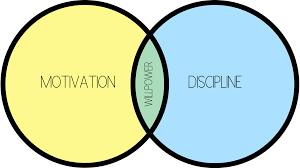
What is the difference between motivation and discipline?
Motivation is the desire or willingness to do something. It’s the feeling that pushes you forward. Discipline is the habit and self-control that allows you to do what needs to be done, even when you don’t feel like it.
Relying only on motivation is tricky, but discipline creates consistency.
Can my environment affect my motivation?
Yes, absolutely. A cluttered or distracting environment can make it hard to focus and reduce motivation. Conversely, an organized and inspiring space can boost your drive.
Similarly, being around supportive and positive people can lift your spirits and motivate you, while negativity can drain your energy.
How do I set realistic goals for myself?
Realistic goals are achievable and relevant to you. Use the SMART goal framework (Specific, Measurable, Achievable, Relevant, Time-bound). Start with smaller goals to build confidence and momentum.
Break down larger ambitions into smaller, manageable steps. It’s better to achieve a smaller goal consistently than to fail at an overly ambitious one.
Is it okay to take breaks when I’m trying to be productive?
Yes, it’s more than okay; it’s essential! Regular breaks prevent burnout and actually increase productivity and focus. Short, frequent breaks can refresh your mind.
Longer breaks, like days off, allow for deeper recovery. Think of breaks as refueling stops, not signs of slacking.
Final Thoughts on Staying Motivated
Staying motivated every single day is a journey, not a destination. It involves understanding yourself, setting smart goals, building good habits, and being kind to yourself. Don’t expect perfection.
Focus on progress. Celebrate your small wins. And remember that you have the power to keep your spark alive.