Feeling stuck or wondering why some days you’re buzzing with energy and others you can barely get out of bed? You’re not alone. Motivation can feel like a mystery.
It’s that inner push that gets us started and keeps us going. But what actually makes it tick? This guide dives deep into the science and soul of motivation.
We’ll uncover what it is, where it comes from, and how you can gently nudge it along. Get ready to understand yourself a little better and unlock that drive.
Motivation is the force that drives behavior. It includes the reasons we act, how we act, and how long we keep acting. It’s a mix of biological, emotional, and social factors. Understanding motivation helps us achieve goals and live a more fulfilling life.
What Drives Us: The Engine of Motivation
Motivation is the big umbrella word for why we do anything. It’s not just one thing. It’s a complex web of needs, desires, and even fears. Think of it like your car’s engine. It needs fuel, oil, and maintenance to run smoothly. Your motivation needs similar things to work for you.
At its core, motivation pushes us toward something we want or away from something we don’t. It’s the reason you grab a glass of water when you’re thirsty. It’s why you study for a test you want to pass. Or why you avoid touching a hot stove. This drive helps us survive and thrive.
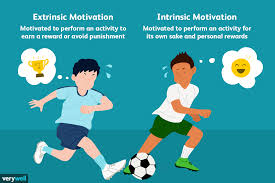
There are two main types of motivation: intrinsic and extrinsic. Intrinsic motivation comes from within you. It’s doing something because it feels good or interesting to you. Extrinsic motivation comes from outside. It’s doing something for a reward or to avoid punishment. Both are important.
Intrinsic Motivation: The Joy of Doing
This is the good stuff, right? Intrinsic motivation is when you’re driven by pure interest or enjoyment. You might paint because you love the colors. You might read a book because the story pulls you in. You don’t need a prize or a pat on the back. The act itself is the reward.
Think about hobbies. When you’re really into something, you can lose track of time. You’re not doing it for money or praise. You’re doing it because it feeds your soul. This kind of motivation often leads to better quality work and more satisfaction. It also tends to last longer.
Extrinsic Motivation: The Carrot and the Stick
Extrinsic motivation is about external factors. This could be getting paid for a job. It could be getting a good grade on a paper. Or it could be avoiding a scolding. Rewards and punishments are key here.
While it can be effective, relying too much on extrinsic motivators can sometimes backfire. If you only do a task for a reward, you might stop doing it once the reward is gone. It can also make tasks that were once fun feel like chores. Imagine getting paid to do your favorite hobby. It might change how you feel about it.
A Personal Brush with Motivation’s Flicker
I remember a few years back. I was tasked with learning a new software for work. It was complex, and frankly, a bit boring. My initial motivation was purely extrinsic: my boss said it was required, and my performance review would be affected if I didn’t get up to speed. I’d sit at my desk, stare at the screen, and my mind would wander to anything else. The hours felt like days.
One afternoon, a colleague showed me a neat shortcut she’d discovered. It saved her a ton of time. Suddenly, a little spark ignited. It wasn’t about the boss or the review anymore. It was about solving a problem and making my work easier. I started poking around the software, looking for other clever tricks. I began to see patterns. I found myself genuinely curious about what else it could do.
The frustration of feeling behind vanished. It was
Quick Scan: What Motivates Us?
Needs
Basic survival like food and safety.
Goals
What we want to achieve.
Curiosity
The desire to learn and explore.
Belonging
Connecting with others.
Recognition
Being seen and valued.
The Psychological Roots of Drive
Motivation is deeply tied to our psychology. Our brains are wired to seek rewards and avoid pain. This is a survival instinct. But it also shapes our daily actions and long-term ambitions.
One key idea is self-determination theory. This theory says we are most motivated when three basic needs are met. These are autonomy, competence, and relatedness. Autonomy means feeling in control of our choices. Competence means feeling capable and effective. Relatedness means feeling connected to others.
When these needs are strong, we feel more intrinsically motivated. We are more likely to pursue goals we care about. We feel more engaged and satisfied. If these needs are lacking, motivation can suffer. We might feel drained or forced.
Another concept is the goal-setting theory. It suggests that clear, challenging goals lead to higher performance. Goals give us something to aim for. They provide direction and focus. Making goals specific and measurable is key. It’s like having a map for your journey.
Expectancy theory is also important. This theory says we are motivated when we believe our effort will lead to good performance. We also need to believe that good performance will lead to a desired outcome. And that the outcome is valuable to us. If any of these links are weak, our motivation might falter.
When Motivation Wanes: Common Roadblocks
It’s normal for motivation to ebb and flow. Life throws curveballs. Sometimes, we just feel tired. But certain things can really drain our drive.
One big roadblock is fear of failure. If we’re afraid of not being good enough, we might not even start. This can lead to procrastination. We put off tasks because the thought of failing is too much to handle.
Perfectionism is another foe. Wanting things to be perfect can stop us in our tracks. We might delay starting a project because we don’t feel ready to make it perfect. This can prevent any progress at all.
Lack of clarity is also a killer. If you don’t know what you’re trying to achieve, or why, it’s hard to get motivated. Vague goals are like trying to hit a target you can’t see.
Feeling overwhelmed is another common issue. When a task or a goal seems too big, it can feel impossible. Breaking it down into smaller, manageable steps is crucial.
Burnout is also a serious drain. This happens when you’re constantly stressed and overworked. Your energy levels drop. Your passion fades. You feel exhausted and cynical.
Nurturing Your Inner Drive: Practical Steps
So, how do we keep that motivation engine running? It’s about building habits and a mindset that supports your drive.
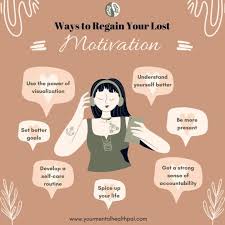
First, set clear, achievable goals. Make them SMART: Specific, Measurable, Achievable, Relevant, and Time-bound. Instead of “I want to get fit,” try “I will walk for 30 minutes, three times a week, for the next month.”
Break down big tasks. That huge project can feel less scary if you divide it into small pieces. Focus on completing one small step at a time. Celebrate each mini-victory.
Create a supportive environment. Surround yourself with positive influences. Tidy your workspace. Minimize distractions. If you’re trying to eat healthier, keep healthy snacks visible.
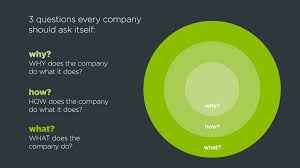
Find your “why.” Connect your tasks to your values and long-term aspirations. Why is this goal important to you? Reminding yourself of the deeper meaning can fuel your motivation.
Reward yourself. Acknowledge your progress. Small rewards can boost your spirits. They reinforce the positive behavior. This could be a short break, a favorite snack, or a few minutes of relaxation.
Practice self-compassion. Don’t beat yourself up if you slip up. Everyone has off days. Treat yourself with the same kindness you would offer a friend. Then, get back on track.
Seek support. Talk to friends, family, or mentors. Sharing your goals and challenges can provide encouragement and accountability.
Myth vs. Reality: Motivation
| Myth | Reality |
|---|---|
| Motivation must be a constant feeling. | Motivation comes and goes. It’s more about building habits than waiting for a feeling. |
| You need to feel inspired to start. | Action often precedes motivation. Starting the task can create the feeling of motivation. |
| Some people are just born motivated. | While some may have predispositions, motivation is largely learned and developed through practice. |
| Motivation is solely about willpower. | Willpower is a component, but environment, habits, and intrinsic interest play larger roles. |
The Role of Habit in Sustaining Drive
Habits are the unsung heroes of motivation. They are actions you do regularly without much thought. Think about brushing your teeth. You don’t need a lot of motivation to do it each morning. It’s just what you do.
Building habits can automate your motivation. When a task becomes a habit, it requires less willpower. You don’t have to decide to do it each time. You just do it. This is incredibly powerful for long-term goals.
Start small. Don’t try to build too many habits at once. Pick one or two simple habits to focus on. For example, if your goal is to write more, start with writing for just 10 minutes each day.
Be consistent. This is more important than intensity. Doing a small amount consistently is better than doing a lot once in a while. Consistency builds the habit loop.
Track your progress. Seeing how far you’ve come can be a great motivator. Use a calendar, a journal, or an app. Mark off the days you stick to your habit.
Link new habits to existing ones. This is called habit stacking. For instance, “After I finish my morning coffee, I will write for 10 minutes.” The existing habit acts as a cue for the new one.
Motivation and Your Brain Chemistry
Our brains are complex chemical factories. Certain brain chemicals play a big role in how motivated we feel.
Dopamine is often called the “reward chemical.” It’s released when we anticipate or experience something pleasurable. It’s linked to motivation, learning, and pleasure. When you set a goal and work towards it, dopamine is released. This makes you feel good and encourages you to repeat the behavior.
Serotonin is another important neurotransmitter. It affects mood, sleep, and appetite. Balanced serotonin levels can contribute to feelings of well-being and motivation.
Endorphins are natural painkillers. They are released during exercise and other pleasurable activities. They can boost mood and create a sense of euphoria, which can be motivating.
Cortisol is a stress hormone. While short-term cortisol can help us focus, chronic high levels can be detrimental. They can lead to fatigue, anxiety, and reduced motivation. Managing stress is therefore key to maintaining motivation.
The Long View: Sustainable Motivation
Achieving big goals isn’t usually about one heroic effort. It’s about consistent, sustained action. This means building a system that supports your motivation over the long haul.
Focus on the process, not just the outcome. Enjoy the journey of learning and growing. When you’re focused on the steps, the destination becomes less daunting.
Develop resilience. Setbacks are inevitable. The ability to bounce back from disappointment is crucial. See challenges as learning opportunities.
Cultivate a growth mindset. Believe that your abilities can be developed through dedication and hard work. This mindset helps you embrace challenges and persist.
Regularly reassess your goals. Are they still relevant? Do they still excite you? Adjusting goals as you grow is a sign of maturity, not failure.
Take care of your physical and mental health. Sleep, nutrition, and exercise are foundational. They impact your energy levels and your ability to cope with stress. Without these, motivation is a tougher climb.
Real-World Scenarios: Motivation in Action
Consider a student preparing for college. Their initial motivation might be getting into a good school (extrinsic). But as they dive into subjects they find fascinating, intrinsic motivation grows. They start reading beyond the syllabus. They join clubs related to their interests. Their motivation shifts from just a grade to a genuine love of learning.
Think about an entrepreneur launching a business. The dream of success and financial freedom fuels them initially (extrinsic). But the real staying power comes from solving a problem they care about, building a team, and seeing their vision come to life (intrinsic). They face long hours and setbacks, but their passion for the mission keeps them going.
Even simple daily tasks require motivation. Getting up to exercise, preparing a healthy meal, or even cleaning the house requires a push. For many, these become easier when they are tied to a larger goal, like improving health or creating a calm living space.
When Motivation Looks Different
It’s important to recognize that motivation isn’t always loud or obvious. For some people, especially those dealing with certain mental health conditions like depression or ADHD, motivation can be a constant, exhausting battle.
In these cases, motivation might look like simply getting out of bed. It might be making a phone call that feels impossible. It’s about small wins that are monumental achievements for the individual. This is where self-compassion and professional support are vital.
Quick Tips: Boost Your Drive
Start Small: Pick one tiny action to begin with.
Schedule It: Put your tasks in your calendar like appointments.
Reward Progress: Celebrate small wins along the way.
Change Your Scene: Sometimes a new environment sparks energy.
Visualize Success: Imagine how good it will feel to finish.
What This Means for Your Day-to-Day
Understanding how motivation works gives you power. You can stop feeling like its victim. You can start being its architect.
If you’re struggling to start a task, it’s okay. Don’t wait for inspiration to strike. Try taking one tiny step. Often, action creates motivation, not the other way around.
If you’re feeling burnt out, it’s a signal. Your internal engine might be running on empty. You need to refuel. This means rest, self-care, and possibly re-evaluating your commitments.
If a goal no longer excites you, that’s okay too. Life changes, and so do our priorities. It’s smart to check in with yourself and adjust your course.
Recognize that motivation is not a constant state. It’s a dynamic process. Some days will be easier than others. The key is not to give up on the hard days.
Common Questions About Motivation
What is the most powerful type of motivation?
Generally, intrinsic motivation is considered the most powerful for long-term satisfaction and sustained effort. It comes from within, making activities inherently rewarding.
Can motivation be learned?
Yes, absolutely! While some people may have natural predispositions, motivation is largely a skill that can be developed and strengthened through practice, habit-building, and mindset shifts.
How do I get motivated when I feel completely unmotivated?
Start incredibly small. Pick the absolute easiest first step. Even five minutes of action can sometimes break the inertia.
Also, try to connect the task to something you genuinely value, even if it’s just the relief of getting it done.
Is it bad to rely on rewards to stay motivated?
Not necessarily, especially for tasks that aren’t inherently interesting. External rewards can be effective, but be mindful that over-reliance might diminish intrinsic interest in the long run. Balance is key.
How does social media affect motivation?
Social media can be a double-edged sword. It can offer inspiration and connection, but it can also lead to comparison, distraction, and a feeling of inadequacy, all of which can harm motivation.
What is the difference between motivation and discipline?
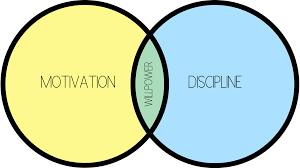
Motivation is the desire or willingness to do something. Discipline is the habit of doing it, even when motivation is low. Discipline often relies on habits and willpower.
Wrapping Up: Your Motivation Toolkit
Understanding how motivation works is a journey. It’s about recognizing your inner drivers, acknowledging the roadblocks, and building smart habits. You have the power to influence your own drive. It’s not magic. It’s a blend of self-awareness, smart strategies, and persistent effort. Keep exploring what works for you, and remember that progress, not perfection, is the goal.