A good evening routine helps you wind down from the day, prepare for restful sleep, and set yourself up for a more focused and productive tomorrow. It’s about small, consistent steps that build toward bigger wins.
Understanding Your Evening Routine
An evening routine is simply a set of actions you do regularly before you go to bed. It’s like a personal signal to your body and mind that it’s time to slow down. This isn’t about rigid rules.
It’s about finding what works for you.
Think of it as a bridge between your busy day and peaceful sleep. When you have a routine, your brain knows what to expect. This can help reduce stress and anxiety.
It’s a way to take back control of your time.
Why does this matter so much? Because our modern lives are often filled with distractions. Phones, work, and endless to-do lists can keep us wired.
A consistent evening routine helps you step away from that. It creates a calm space just for you.
It helps your body prepare for sleep. Your mind can also process the day. This leads to better sleep quality.
When you sleep well, you feel better. You also think clearer and have more energy. This boost helps you tackle your goals.
My Own Struggle with Evenings
I remember a time when my evenings were a mess. I’d finish work, grab a quick bite, and then just stare at screens. Scrolling through social media felt like a good way to relax.
But it never worked. I’d feel more stressed. My mind would race.
I’d finally get to bed, but sleep was hard. I’d toss and turn. Then mornings would come, and I’d feel groggy.
I was constantly tired. It felt like I was always playing catch-up. I knew something had to change.
The constant brain fog was the worst part. It felt like a thick cloud I couldn’t shake off.
One night, after another restless sleep, I decided enough was enough. I read about how habits form. I learned that little changes could make a big difference.
I started small. I decided to ditch my phone an hour before bed. It felt strange at first.
My thumb kept reaching for it.
Instead, I picked up a book. It was a simple change, but it felt powerful. I also started to tidy up my space before bed.
Just a few minutes to put things away. It made my bedroom feel calmer. This small shift made my evenings feel more intentional.
It wasn’t about being perfect. It was about trying something different.
Evening Routine Essentials: Quick Scan
Goal: Wind Down & Prepare for Sleep
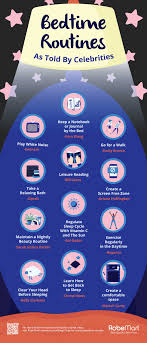
Key Actions: Limit screens, light reading, light stretching, journaling, hygiene.
Timing: Start 60-90 minutes before desired sleep time.
Mindset: Calm, intentional, reflective.
The Science Behind Winding Down
Our bodies have an internal clock. It’s called the circadian rhythm. This clock controls our sleep-wake cycles.
It also affects many other bodily functions.
When it gets dark, our brain releases a hormone called melatonin. Melatonin signals to our body that it’s time to sleep. Bright lights, especially from screens, can trick our brain.
They can stop melatonin production. This makes it harder to fall asleep.
A good evening routine helps support this natural process. It signals to your body that the day is over. This helps your brain wind down.
It can reduce the time it takes to fall asleep. It also improves the quality of your sleep.
When you’re less stressed, your body can relax. A routine can include activities that promote relaxation. Things like deep breathing or gentle stretching can help.
They calm your nervous system. This makes it easier to drift off to sleep.
Consistent sleep is vital for health. It affects your mood, focus, and even your immune system. A well-designed evening routine is an investment in your overall well-being.
It helps ensure you get the restorative sleep you need.
Crafting Your Personalized Evening Routine
The best routine is one that fits your life. It should be easy to follow. It should also feel good.
There’s no single “right” way to do it. Here are some ideas to get you started.
Step 1: Define Your Goal Time
First, decide what time you want to wake up. Then, count back about 7 to 9 hours. That’s your target sleep time.
Now, figure out what time you need to start your wind-down routine. Most people need about 60 to 90 minutes.
So, if you want to sleep at 10 PM, start your routine around 8:30 PM or 9 PM. This gives you enough time to relax. It also lets you do a few different things.
Don’t try to rush it. Give yourself plenty of time.
Step 2: Screen Time Cut-off
This is a big one for many people. Try to turn off screens at least an hour before bed. This includes phones, tablets, and TVs.
The blue light they emit can really mess with sleep.
What can you do instead? Read a physical book. Listen to a podcast.
Talk with your family. Play a quiet board game. Find activities that are calming.
They should engage your mind gently. They shouldn’t be too stimulating.
It might be tough at first. You might feel like you’re missing out. But the benefits are worth it.
You’ll notice a difference in how quickly you fall asleep. You’ll also feel more rested.
Step 3: Gentle Movement
Light physical activity can help your body relax. This isn’t about intense workouts. Save those for earlier in the day.
Think gentle stretches or yoga poses. These can help release tension.
You can do simple stretches at home. Focus on areas where you hold stress. This could be your neck, shoulders, or back.
Even just a few minutes can make a difference. It helps prepare your body for rest.
Some people like to go for a short, slow walk. This can be refreshing. It gets you some fresh air.
Just make sure it’s not too close to bedtime. You don’t want to get your heart rate too high.
Step 4: Mindful Activities
This part is all about your mind. It helps clear out the day’s worries. Journaling is a great option.
Write down your thoughts. You can also list things you’re grateful for. This shifts your focus to the positive.
Meditation or deep breathing exercises are also good. There are many apps that can guide you. Even just five minutes of quiet breathing can help.
It calms your mind. It reduces racing thoughts.
Some people find listening to calm music helpful. Others prefer silence. Experiment and see what feels right for you.
The goal is to create a sense of peace.
Step 5: Prepare for Tomorrow
A small step that makes a big difference is preparing for the next day. Lay out your clothes. Pack your lunch.
Make a short to-do list for the morning. This reduces morning stress.
When you wake up, you’ll have fewer decisions to make. This can make your morning feel much smoother. It also prevents that feeling of being rushed right when you wake up.
It’s a small act of kindness to your future self.
Step 6: Sleep Hygiene
Your bedroom environment matters. Keep it cool, dark, and quiet. Make sure your bed is comfortable.
Avoid doing work or intense activities in bed.
Try to go to bed and wake up around the same time each day. Even on weekends. This helps keep your body clock in sync.
It’s one of the most powerful things you can do for good sleep.
Routine Builder: Mix & Match
Option A: The Relaxer
- 60 min before bed: Read a book.
- 30 min before bed: Gentle stretches.
- 15 min before bed: Journal, listen to calm music.
Option B: The Prepper
- 90 min before bed: Light tidy-up, pack bag.
- 60 min before bed: Listen to a podcast or audiobook.
- 30 min before bed: Short meditation.
Common Pitfalls to Avoid
Even with the best intentions, some things can derail your routine. Let’s look at a few common traps.
Pitfall 1: Too Much Too Soon
Trying to add too many new habits at once is a recipe for failure. Your brain will feel overwhelmed. You might feel like you can’t keep up.
The key is to start small. Pick one or two things to focus on first. Once they feel natural, you can add more.
It’s about building momentum slowly.
Pitfall 2: Screen Time Creep
This is a hard one to beat. Phones are addictive. It’s easy to tell yourself “just five more minutes.” Before you know it, an hour has passed.
Try putting your phone in another room. Charge it overnight outside your bedroom. This removes the temptation.
You’ll be surprised how much better you feel.
Pitfall 3: Inconsistency
Skipping your routine when you’re tired or busy is tempting. But consistency is what makes it work. Even a shortened routine is better than no routine.
If you miss a night, don’t beat yourself up. Just get back on track the next day. Life happens.
The goal is progress, not perfection.
Pitfall 4: Ignoring Your Body
Your routine should adapt to your needs. If you’re feeling anxious, maybe add more relaxation. If you’re feeling sluggish, maybe add a bit more movement earlier on.
Listen to your body. It will tell you what it needs. Don’t force yourself to do something that feels wrong on a particular night.
Pitfall 5: Making it a Chore
If your routine feels like another task on your to-do list, it won’t stick. Frame it as self-care. It’s your time to recharge.
It’s an act of kindness to yourself.
Choose activities you genuinely enjoy. This will make it feel less like work. It will become something you look forward to.
Routine Pitfalls & Fixes
| Pitfall | Why it Happens | Simple Fix |
|---|---|---|
| Too Much Too Soon | Overwhelm leads to quitting. | Start with 1-2 habits. Add more later. |
| Screen Time Creep | Blue light disrupts sleep hormones. | Charge phone outside bedroom. |
| Inconsistency | Skipping makes it hard to restart. | Do a shortened routine if needed. |
| Ignoring Body Signals | Routine becomes rigid and unhelpful. | Adjust activities based on how you feel. |
| Making it a Chore | Lack of enjoyment leads to dropout. | Choose activities you like. |
Real-World Impact: Sleep Quality and Energy Levels
The most noticeable benefit of a good evening routine is improved sleep. When you signal to your body that it’s time to rest, it responds. You might find yourself falling asleep faster.
You’ll likely experience deeper sleep. This means waking up feeling more refreshed. Gone are the days of hitting snooze multiple times.
You’ll have more energy throughout the day. This boost can help you be more productive at work.
It also impacts your mood. When you’re well-rested, you’re less likely to be irritable. You’ll feel more patient.
You’ll have more resilience to handle stress. Your relationships can benefit too.
Think about the ripple effect. Better sleep means better focus. Better focus means you can get more done.
Getting more done can lead to a sense of accomplishment. This positivity can carry over into your next day. It’s a virtuous cycle.
Making Your Routine Work for Different Lifestyles
Life isn’t always the same. Your routine might need to change. Here’s how to adapt.
For Busy Professionals
If your work schedule is demanding, focus on efficiency. Even 30 minutes can make a difference. Prioritize: screen-free time, a quick tidy, and one relaxing activity.
Try to set clear boundaries. When work is done, it’s done. Your evening is for you to recharge.
This is crucial for preventing burnout.
For Parents
Parents often have little personal time. Your routine might involve family activities first. Maybe reading to kids, then a quiet moment after they’re asleep.
Be realistic. Some nights will be chaotic. The goal is to create pockets of calm where you can.
Even a quick cup of tea alone can be a routine.
For Night Owls
If you’re naturally a night owl, your schedule might look different. Focus on winding down later. Your sleep might be later, but the wind-down process is still key.
Ensure your bedroom is conducive to sleep. Dark curtains and earplugs can help if you sleep past sunrise.
For Shift Workers
This is tough. Try to create a consistent routine for the hours you are awake and trying to sleep. Block out light.
Use earplugs or a white noise machine.
On days off, try to maintain some semblance of normalcy. This helps your body clock adjust. It’s about making the best of a challenging situation.
Evening Routine Adapters
Professionals: Prioritize 30 mins of screen-free time and 1 relaxing activity. Set work-life boundaries.
Parents: Integrate family wind-down time. Seek short, personal moments after kids sleep.
Night Owls: Focus on a later, consistent wind-down. Optimize sleep environment.
Shift Workers: Create a consistent sleep environment and routine for sleep periods. Use light/sound blocking.
What This Means for Your Success
A well-crafted evening routine is more than just about sleep. It’s a tool for success. When you’re rested and calm, you make better decisions.
You’re more focused. You can tackle challenges with a clearer mind.
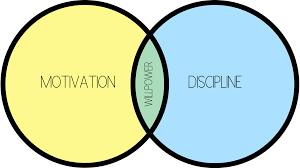
It helps you build discipline. Sticking to a routine, even when you don’t feel like it, builds mental toughness. This discipline spills over into other areas of your life.
You become more likely to stick to your goals.
It can also improve your creativity. When your mind is not racing with worries, it has space for new ideas. A calm mind is a creative mind.
Ultimately, it’s about living a more intentional life. You’re not just reacting to what happens. You’re actively shaping your days.
And it all starts the night before.
Simple Checks and When to Worry
When is your evening routine working well? When you feel more rested. When you fall asleep easier.
When you wake up feeling more ready for the day.
When should you worry? If your routine isn’t helping you sleep. If you’re still struggling to fall asleep.
If you’re feeling more stressed or anxious. If you’re consistently tired no matter what you do.
These signs might mean your routine needs adjustment. Or, they could point to a deeper sleep issue. If sleep problems persist, it’s a good idea to talk to a doctor.
They can help rule out any medical conditions.
Remember, an evening routine is a supportive tool. It’s not a cure-all. But it’s a powerful first step for better sleep and a more successful life.
Quick Tips for a Better Evening
Here are a few more simple ideas:
- Hydrate Smartly: Drink water earlier in the evening. Avoid too much liquid right before bed.
- Mindful Eating: Try to finish eating a few hours before sleep. Heavy meals can disrupt sleep.
- Temperature Control: Keep your bedroom cool. This is ideal for sleep.
- Comfort is Key: Ensure your pillow and mattress are comfortable.
- Quiet Time is Golden: Even 10 minutes of quiet can reset your mind.
Frequently Asked Questions about Evening Routines
What is the best time to start an evening routine?
Generally, start your routine 60-90 minutes before you want to fall asleep. This gives your body and mind time to wind down. The exact time depends on your personal sleep schedule and how long it takes you to relax.
Can I really improve my sleep by just changing my evenings?
Yes, absolutely! Your evening activities heavily influence your ability to fall asleep and the quality of your sleep. By creating a calming routine, you signal to your body that it’s time to rest, which can significantly improve sleep patterns.
What if I have a very busy schedule and can’t dedicate much time?
Even a short, simple routine can make a difference. Aim for just 15-30 minutes. Focus on one or two key actions, like avoiding screens and doing some light reading or deep breathing.
Consistency is more important than length.
How do I stop myself from using my phone before bed?
The most effective way is to remove the temptation. Charge your phone outside your bedroom overnight. Set up a physical alarm clock.
Is it okay to have a different routine on weekends?
It’s best to keep your sleep and wake times fairly consistent, even on weekends, to maintain your body’s internal clock. If you do shift your routine, try to keep the wind-down period similar. Big swings can disrupt your sleep cycle.
What are some relaxing activities I can include?
Great options include reading a physical book, listening to calming music or podcasts, gentle stretching or yoga, meditation, deep breathing exercises, taking a warm bath, or journaling. Choose activities that help you feel peaceful and unplugged.
How long does it take to see results from an evening routine?
You might notice small improvements within a few days or a week. Significant changes often take 2-4 weeks of consistent practice. Be patient with yourself and focus on building the habit.
Conclusion: Your Evening, Your Advantage
Your evening hours are precious. They are your opportunity to reset and recharge. By creating a simple, consistent evening routine, you give yourself a powerful advantage.
It’s your secret weapon for better sleep, more energy, and a more successful day. Start small, be kind to yourself, and enjoy the benefits.