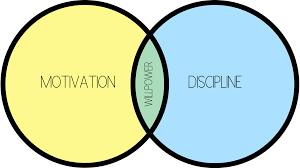
It’s easy to feel stuck when you want to do something but just can’t seem to get going. You might think you need more willpower or a surge of motivation. But these two things are not the same. Knowing the difference helps you work smarter, not harder.
It matters because if you only rely on one, you might find yourself failing often. This can be really frustrating. We all want to achieve our goals. Whether it’s starting a new habit, finishing a tough project, or just getting through a busy day, understanding how your mind works is the first step.
In this guide, we’ll break down what motivation and willpower really are. We’ll look at how they work in our daily lives. You’ll learn when each one is most helpful. We’ll also cover simple ways to build up both. This way, you can feel more in control and actually get things done.
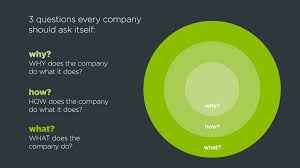
Motivation and willpower are different forces. Motivation is the ‘why’ – your drive or desire to do something. Willpower is the ‘how’ – your ability to control yourself and stay on track. Both are needed for success, but they work in distinct ways.
What is Motivation?
Motivation is what gets you started. Think of it as your inner push. It’s the reason you want to do something in the first place. This drive can come from many places. It can be excitement about a new idea. It can be the desire to avoid something bad. Or it can be the simple joy of doing an activity.
Motivation often feels good. It can make you feel energized and optimistic. When you’re motivated, tasks feel less like work. They might even feel fun. This feeling is what encourages you to take action. It’s the spark that lights the fire.
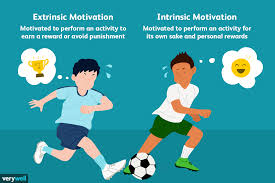
There are two main types of motivation. One is called intrinsic motivation. This means you do something because you enjoy it. The reward is the activity itself. For example, you might play a sport because you love the game. You don’t need a prize.
The other type is extrinsic motivation. This is when you do something for an outside reward. You might work hard to get a promotion or a bonus. Or you might clean your room to avoid being told off. The motivation comes from outside of you.
What is Willpower?
Willpower is your ability to resist temptation. It’s also your strength to do what you know you should do, even when you don’t feel like it. Think of it as your self-control muscle. It helps you stick to your plans. It stops you from giving in to impulses.
When your willpower is strong, you can say “no” to distractions. You can ignore urges that pull you away from your goals. It’s what helps you finish that boring report. It’s also what stops you from eating that extra cookie when you’re trying to eat healthy.
Willpower is a limited resource. This is a very important point. You only have so much of it each day. It can get used up by making decisions. It can also get tired by resisting temptations. This is why things get harder later in the day. Your “self-control muscle” can get fatigued.
This is why planning is so helpful. If you can make decisions ahead of time, you don’t need to use as much willpower later. You build habits that run on autopilot. This saves your willpower for when you really need it.
My Own Struggle with Starting a New Habit
I remember one time I really wanted to start waking up early. My goal was to get a head start on my work before the day got too crazy. The first few days, I was super motivated. I set my alarm, and I jumped out of bed with excitement. I felt proud of myself.
But then, about a week later, my motivation started to fade. My warm bed felt so much more inviting than the cold morning air. My alarm clock became my enemy. I started hitting snooze. Then I’d feel guilty for sleeping in. I told myself I just needed more willpower.
I tried to force myself out of bed. It was a battle every single morning. I’d feel grumpy and resentful. My willpower felt like it was shrinking with every snooze. I wasn’t enjoying my mornings at all. I was just fighting myself. It was exhausting.
What I realized later was that I was relying too much on just motivation and sheer willpower. I hadn’t built systems to support my goal. I hadn’t thought about why I wanted to wake up early. I hadn’t made it easy for myself. I was just trying to muscle through. This taught me a huge lesson about how these two forces really work.
Motivation vs. Willpower: The Key Differences
The main difference is their role. Motivation is the ‘why’. It’s the engine that starts the car. Willpower is the ‘how’. It’s the steering wheel and the brakes that keep you going in the right direction.
Motivation is often about feelings and desires. It’s what makes you want to do something. It can be strong when you first start a goal. Or it can be strong when you see a reward. But feelings can change. Motivation can be up and down.
Willpower is about action and control. It’s the ability to do what you need to do, even when you don’t feel like it. It’s about resisting impulses and sticking to a plan. Willpower is more like a skill you can train. But it also gets tired.
Think about learning to play an instrument. Your motivation might be the dream of playing your favorite song. That’s the excitement. Your willpower is what helps you practice scales every day, even when it’s boring. It’s what stops you from quitting when it gets hard.
When Motivation is Your Best Friend
Motivation is fantastic for starting things. It’s what gets you off the couch to try a new workout class. It’s what makes you excited to plan a vacation. When you’re feeling motivated, tasks seem easier. You have energy and a positive outlook.
Motivation works best when the task itself is enjoyable. If you love what you’re doing, motivation will carry you far. It’s also great when there’s a clear and exciting reward in sight. This could be a promotion, a completed project, or a fun event.
When you have high motivation, you need less willpower. You’re already driven. The action feels natural. This is why creative projects or new hobbies often start with a bang. The initial excitement fuels everything.
When Willpower is Your Secret Weapon
Willpower is crucial for the long haul. It’s what keeps you going when motivation dips. It’s essential for tasks that are difficult or boring. Think about studying for a tough exam or sticking to a budget.
Willpower is also key for resisting temptations. When you see that tempting dessert or feel the urge to scroll social media instead of working, willpower is what helps you say no. It’s the barrier that protects your goals from distractions.
Building habits relies heavily on willpower, especially in the beginning. Once a habit is automatic, you need less willpower. But forming that habit requires consistent effort, even when you don’t feel like it. This is where your willpower muscle really shines.
Understanding How Motivation Works
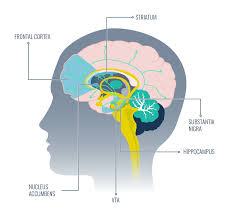
Motivation is driven by your brain’s reward system. When you anticipate something good, your brain releases chemicals like dopamine. This makes you feel good and want to pursue that thing. This is why planning a fun weekend can boost your mood during a tough week.
Your goals also play a big part. When you have clear, meaningful goals, your motivation to achieve them is higher. Goals that are specific and challenging are often more motivating than vague or easy ones. This is known as the goal-setting theory.
Your environment matters too. If you’re surrounded by people who are working towards similar goals, you’re likely to be more motivated. Positive feedback and recognition can also boost your motivation. Seeing progress, no matter how small, is a powerful motivator.
Understanding How Willpower Works
Willpower is often linked to the prefrontal cortex of your brain. This is the part responsible for planning, decision-making, and impulse control. It’s like your brain’s executive control center.
As we mentioned, willpower is a finite resource. Making too many decisions can deplete it. This is called decision fatigue. For example, if you spend all morning choosing outfits, making work decisions might feel harder later.
Stress and negative emotions also drain willpower. When you’re feeling anxious or upset, it’s harder to resist temptations or stick to your plans. This is why it’s often harder to stick to diets during stressful times. Your self-control is already taxed.
Can You Train Your Willpower?
Yes, you can! Think of willpower like a muscle. The more you use it, the stronger it gets. But like a muscle, it needs rest.
One way to train willpower is to start small. Choose one area where you want to improve your self-control. Maybe it’s resisting one daily treat or doing a short chore when you don’t want to. Do this consistently.
Another strategy is to practice delayed gratification. This means choosing a larger reward in the future over a smaller, immediate one. For example, saving money for a big purchase instead of spending it on small things now.
It’s also important to manage your energy levels. Getting enough sleep, eating well, and managing stress can all help preserve and strengthen your willpower. When you’re tired or stressed, your self-control is weaker.
The Motivation vs. Willpower Cycle
Often, these two forces work together in a cycle. You might start with high motivation for a new goal. This excitement helps you use your willpower to get things done. As motivation naturally fades, your willpower helps you keep going.
If you can build systems and habits during the high-motivation phase, they will carry you through the low-motivation times. This is why it’s so important to act when you feel inspired. Use that energy to create structures that support you later.
For example, if you’re motivated to cook healthy meals, use that energy to prep vegetables or plan your meals for the week. This way, when you’re tired later and your motivation is low, the healthy options are already ready. You won’t need as much willpower to make the right choice.
Infographic-Style Section 1: Motivation vs. Willpower at a Glance
Motivation vs. Willpower: The Core Idea
Motivation:
- The Drive: Your ‘why’ or desire.
- Starts Things: Great for initiating actions.
- Feeling-Based: Often tied to excitement or interest.
- Can Fluctuate: Might come and go.
- Example: Wanting to learn a new language because it sounds fun.
Willpower:
- The Control: Your self-discipline or ability to act.
- Stays the Course: Helps you stick to plans.
- Action-Based: About making the right choice.
- Can Be Depleted: Like a muscle, it gets tired.
- Example: Studying vocabulary daily even when you don’t feel like it.
Building Your Motivation Muscle
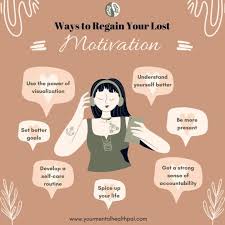
While motivation can fluctuate, you can take steps to boost it. Connect with your “why.” Remind yourself why you want to achieve your goal. Is it for health, for family, for personal growth? Keeping this reason in mind fuels your drive.
Break big goals into smaller steps. Each small win builds momentum. Completing a small task gives you a sense of accomplishment. This feeling can be very motivating. It makes the overall goal seem less overwhelming.
Find ways to make the task more enjoyable. Can you listen to music while you work out? Can you turn a chore into a game? Adding elements of fun can boost intrinsic motivation.
Surround yourself with positivity. Spend time with people who inspire you. Read books or watch videos that uplift you. Positive influences can lift your own spirits and increase your motivation.
Building Your Willpower Strength
Willpower is about making conscious choices to act in line with your long-term goals. It’s about self-control. To build it, start by identifying your biggest temptations or challenges.
Plan ahead. If you know you’ll be tempted by junk food, don’t keep it in the house. Make healthy snacks visible and easy to grab. This reduces the need for willpower in the moment. This is a form of “pre-commitment.”
Practice mindfulness. Being present can help you notice urges before you act on them. This gives you a chance to choose a different response. It helps you break the automatic reaction to temptation.
Get enough sleep. This is crucial. When you’re well-rested, your brain functions better. Your self-control is stronger. It’s much harder to resist temptation when you’re tired.
Set realistic expectations. Don’t try to change everything at once. Focus on one habit or goal at a time. This prevents burnout and preserves your willpower. Small, consistent efforts build strength over time.
Infographic-Style Section 2: Habit Stacking for Willpower
Habit Stacking: Linking New to Old
This method uses an existing habit as a trigger for a new one. It’s a great way to build new behaviors with less reliance on pure willpower.
Current Habit:
Example: Brushing your teeth (happens every morning and night).
+
New Habit:
Example: Taking a multivitamin.
The Stacked Habit: “After I brush my teeth, I will take my multivitamin.”
Why it works: Your existing habit acts as a reminder. The new behavior is added on, making it easier to remember and do without thinking too hard. This saves your willpower.
Real-World Scenarios
Imagine you want to write a book. Your initial motivation is high. You have tons of ideas and feel inspired. You start writing every day. This is where motivation shines.
As the weeks go by, some days you just don’t feel like writing. The story gets tough, or you’re tired. This is when motivation dips. Now, willpower steps in. It’s the voice that says, “Sit down and write for 30 minutes, even if it’s hard.”
If you’ve built a routine, like writing at the same time each day, that routine helps. The habit itself requires less willpower than just trying to force yourself to write whenever you feel like it.
Consider trying to eat healthier. Your motivation might be to lose weight or feel more energetic. You start by cooking healthy meals. But then a friend invites you out for pizza. Your motivation might say, “It’s okay, you can have it.” Your willpower says, “No, stick to your plan. You can have pizza another time.”
What This Means for You
Knowing the difference helps you manage your energy better. Don’t rely solely on motivation. It’s a great starting point, but it’s not a long-term strategy. When you feel motivated, use that energy to build habits. Create systems that support your goals.
When motivation is low, don’t despair. This is normal. This is when your built-up habits and your willpower are most important. You can still take action, even if you don’t feel like it. Small steps are still progress.
Understand that willpower gets tired. Don’t try to make too many hard decisions late in the day. Try to get important tasks done earlier. Also, take care of your basic needs: sleep, food, and stress management. These support your ability to use willpower.
Quick Fixes & Tips
For Motivation: Connect with your “why.” Set clear, exciting goals. Reward yourself for small wins.
For Willpower: Build strong habits. Plan ahead to avoid temptations. Get enough sleep. Practice mindfulness.
Use Both: Start with motivation. Use it to build habits that willpower can maintain.
Environment Matters: Make good choices easy and bad choices hard.
Track Progress: Seeing how far you’ve come can boost both motivation and the belief in your willpower.
Infographic-Style Section 3: Myth vs. Reality
Motivation vs. Willpower: Common Myths
Myth: You just need to find your motivation.
Reality: Motivation fades. You need strategies to keep going when it’s gone.
vs.
Myth: Willpower is something you either have or don’t have.
Reality: Willpower is a skill and a resource that can be trained and managed.
Myth: Willpower is about forcing yourself to do things.
Reality: Effective willpower involves making smart choices and building systems, not just brute force.
vs.
Myth: You need strong motivation for every step.
Reality: Habits and discipline (willpower) are key for consistency, especially when motivation is low.
Frequently Asked Questions
Is motivation or willpower more important?
Both are important, but they serve different roles. Motivation gets you started, and willpower helps you keep going, especially when motivation is low. For long-term success, you need to learn how to use both effectively.
Can I increase my motivation naturally?
Yes, you can. By connecting with your goals, breaking them down, and making tasks more enjoyable, you can boost your intrinsic motivation. Positive reinforcement and seeing progress also help.
What happens when my willpower runs out?
When willpower is depleted, you’re more likely to give in to impulses and temptations. It becomes harder to resist distractions or stick to your plans. This is why managing your energy and planning ahead are crucial.
How can I create habits that stick?
Habit stacking is a great method. You link a new habit to an existing one. Also, make the new habit obvious, attractive, easy, and satisfying.
This reduces the need for constant willpower.
Should I wait for motivation to strike?
No, it’s better not to wait. Motivation is unreliable. Use it when it’s high to build habits and systems.
Then, rely on those habits and your willpower to keep moving forward, even when you don’t feel inspired.
Can stress affect my willpower?
Yes, stress significantly impacts willpower. When you are stressed, your body’s resources are directed towards managing the stress response. This often leaves less energy for self-control and decision-making, making willpower harder to access.
Is it possible to overdo it with willpower?
Yes, you can. Trying to exert too much willpower on too many things can lead to burnout. This is why it’s important to be strategic about where you apply your willpower and to build habits that do some of the work for you.
Conclusion
Understanding motivation versus willpower is like having a secret map to achieving your goals. Motivation is the spark that ignites your journey. Willpower is the steady engine that keeps you moving forward, especially when the road gets bumpy. By learning to nurture both, and by building habits that support your efforts, you can stop just wishing for change and start making it happen. It’s about working smarter, being kinder to yourself, and knowing that every small step counts.
},
},
},
},
},
},
} ] }