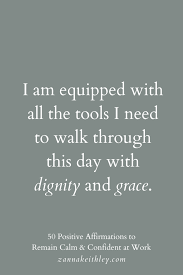
Daily affirmations are short, positive statements you repeat to yourself. They help reprogram your subconscious mind. This can change your beliefs and behaviors.
Using them consistently can boost confidence, reduce stress, and improve your overall outlook on life.
What Are Daily Affirmations?
Think of affirmations as positive seeds you plant in your mind. They are simple sentences. You say them to yourself often.
These sentences focus on good things. They can be about what you want. They can also be about who you want to be.
For example, “I am capable” or “I am worthy of love.”
The idea is to repeat these positive messages. You do this daily. Over time, your mind starts to believe them.
It’s like training a muscle. The more you practice, the stronger the positive thought becomes. This can help push out negative or self-doubting thoughts.
They are not magic spells. They are tools for self-improvement. They work by changing your inner dialogue.
This is the constant conversation you have with yourself. A positive inner dialogue makes a big difference.
Why Do Affirmations Really Work?
It might seem too simple. Just saying nice things. But there’s science behind it.
Affirmations tap into something called neuroplasticity. This is your brain’s ability to change. It can create new connections.
It can rewire itself based on your experiences.
When you repeat an affirmation, you are essentially re-training your brain. You are sending a strong signal. This signal says, “This positive thing is true.” Your brain starts to accept this new input.
It begins to see evidence for it in your life. Even small bits of evidence can be powerful.
Affirmations also affect your emotions. Saying “I am calm” can actually make you feel calmer. This is because your words can influence your physiological state.
Your breathing might slow down. Your muscles might relax. It’s a powerful mind-body connection.
They also help you focus. When you have a clear, positive goal in mind, you are more likely to work towards it. An affirmation like “I am focused and productive” can help you stay on task.
It reminds you of your intention.
How Affirmations Change Your Brain
New Pathways: Each time you affirm a positive belief, you strengthen the neural pathways related to that belief. Over time, these pathways become dominant.
Reduced Stress: Positive self-talk can lower cortisol levels, the stress hormone. This makes you feel more relaxed.
Belief Formation: Your brain is wired to seek confirmation. Affirmations provide consistent, positive confirmation.
My Own Struggle with Self-Doubt
I remember a time when I felt really stuck. I was starting a new project. It was exciting, but also very scary.
My inner voice was loud. It kept saying, “You can’t do this.” “You’re not good enough.” “Someone else would do a better job.” It was exhausting.
I felt a knot in my stomach all the time. I would stare at my computer screen. I couldn’t get anything done.
I thought about giving up. Then, a friend told me about affirmations. I was skeptical, honestly.
It felt silly to just talk to myself.
But I was desperate. So, I started small. I wrote down “I am capable of handling this project.” I put it on my desk.
I looked at it every morning. I even said it out loud. At first, it felt fake.
My brain argued with me. “No, you’re not!” it said.
But I kept at it. I focused on the feeling I wanted to have: confidence. I said it when I felt doubt creeping in.
Slowly, very slowly, things started to shift. The knot in my stomach loosened. I started to believe, just a little, that maybe I could do it.
That project ended up being a success. It was a huge lesson for me.
Choosing the Right Affirmations for You
The best affirmations are personal. They should resonate with you. Think about what you struggle with most.
What negative thoughts do you have often? Then, create a positive opposite for those thoughts.
For example, if you often think “I’m not smart enough,” try “I am a quick learner and I absorb new information easily.” If you worry “I’ll never find a good partner,” try “I am lovable and I attract healthy relationships.”
Make them specific to your goals. If you want to save money, an affirmation could be “I am wise with my finances and I make smart spending choices.” If you want better health, try “I nourish my body with healthy foods and I feel energetic.”
Keep them in the present tense. Say “I am” not “I will be.” This tells your brain it’s happening now. Also, use positive language.
Avoid “not.” Instead of “I am not worried,” say “I am at peace.”
Quick Guide to Crafting Affirmations
- Be Positive: Focus on what you want, not what you don’t want.
- Use “I Am”: Frame them in the present tense.
- Be Specific: Tailor them to your personal needs and goals.
- Keep it Simple: Short, easy-to-remember phrases work best.
- Feel It: Choose words that evoke a positive emotion.
How to Practice Daily Affirmations Effectively
Consistency is key. This is not a one-time thing. Think of it as daily maintenance for your mind.
There are many ways to fit affirmations into your day. Find what works best for your routine.
Morning Routine: Many people find that starting their day with affirmations is powerful. Say them while you brush your teeth, make coffee, or meditate. This sets a positive tone for the hours ahead.
Journaling: Write your affirmations down. You can write them every day. Or you can write them a few times a week.
Seeing them on paper can make them feel more real.
Mirror Work: Stand in front of a mirror. Look yourself in the eye. Say your affirmations out loud.
This can be very impactful. It forces you to connect with yourself directly.
During the Day: Keep a note of your affirmations on your phone or a small card. Look at them when you feel stressed or doubt creeps in. A quick reminder can make a big difference.
Evening Reflection: Before you go to sleep, review your day. You can say affirmations about gratitude. This helps end the day on a good note.
The most important thing is to feel the words. Don’t just rush through them. Try to connect with the emotion behind the affirmation.
If you say “I am confident,” try to feel a flicker of confidence.
Daily Practice Ideas
Waking Up: Say 3 affirmations right after opening your eyes.
Commute: Listen to an affirmation recording or repeat them silently.
Breaks: Take a 1-minute break to read or say your favorite affirmation.
Before Bed: Reflect on what you are grateful for and say a related affirmation.
Affirmations for Common Life Areas
Let’s look at some examples. These cover different parts of life. You can adapt them or use them as inspiration.
For Self-Esteem and Confidence
Here are some phrases that build you up:
- I am worthy and deserving of happiness.
- I approve of myself and accept myself fully.
- My confidence grows each day.
- I love and appreciate my unique qualities.
- I am in control of my reactions and my outlook.
For Health and Well-being
These focus on taking care of yourself:
- My body is strong and healthy.
- I have the energy to live my life fully.
- I make healthy choices for my body and mind.
- I am grateful for my health.
- I release all tension and feel relaxed.
For Wealth and Abundance
These help attract positive financial energy:
- Money flows to me easily and effortlessly.
- I am a magnet for wealth and abundance.
- I am grateful for all the good things in my life.
- I am wise with my money and it grows.
- I deserve financial freedom.
For Relationships
These build connection and love:
- I attract loving and supportive people into my life.
- My relationships are filled with joy and mutual respect.
- I give and receive love freely.
- I am a good friend and partner.
- I communicate my needs clearly and kindly.
Quick-Scan Affirmation Table
| Area | Example Affirmation |
|---|---|
| Self-Esteem | I am capable and strong. |
| Health | My body is healthy and vibrant. |
| Wealth | I attract financial success. |
| Relationships | I am loved and appreciated. |
| Career | I excel in my chosen field. |
When Do Affirmations Feel “Fake”?
This is a common feeling. When you start using affirmations, they might not feel true. You might say “I am confident” but feel very unconfident.
This is okay. It’s actually a good sign.
Your brain is resistant to change. It’s used to old patterns. When you introduce a new, positive idea, it might push back.
This resistance is normal. It doesn’t mean affirmations don’t work.
What to do: Don’t force the feeling. Just say the words. Focus on the desire for the affirmation to be true.
If “I am confident” feels too big, try something smaller. Maybe “I am open to feeling more confident.” Or “I am learning to trust myself.”
Another trick is to focus on the action. Instead of “I am a great public speaker,” try “I am practicing my public speaking skills.” This feels more achievable and less like a lie.
Think about it like this: if you haven’t exercised in years, saying “I am a marathon runner” feels false. But saying “I am starting a new fitness routine” feels true. Affirmations work best when they are believable, even if they represent a future state.
Myth vs. Reality
Myth: Affirmations must feel 100% true the moment you say them.
Reality: Affirmations work by planting seeds of possibility. They guide your thoughts and actions towards the desired outcome, even if the feeling isn’t fully there yet.
Myth: If I feel doubt, affirmations are not working.
Reality: Doubt is a sign of your brain’s resistance to change. Acknowledge it, but continue practicing. Consistency overcomes doubt.
Overcoming Obstacles to Affirmation Practice
Life gets busy. Sometimes, sticking to a routine is hard. Here are some common problems and how to solve them.
Problem: Forgetting to practice.
Solution: Set reminders on your phone. Link affirmations to an existing habit (like your morning coffee). Keep a small note card with your affirmations visible.
Problem: Feeling like it’s not working.
Solution: Be patient. Real change takes time. Look for small shifts.
Are you feeling a tiny bit less stressed? Did you handle a difficult situation slightly better? Celebrate these small wins.
Also, review your affirmations. Are they still relevant? Adjust them if needed.
Problem: Negative self-talk is too strong.
Solution: Don’t try to force out negative thoughts completely. Instead, acknowledge them. Then, gently bring your focus back to your affirmation.
You can even create affirmations to help you manage negative thoughts, like “I observe my thoughts without judgment.”
It’s also okay to seek professional help if negative self-talk is overwhelming. A therapist can provide additional support and strategies.
Obstacle Buster
Symptom: “I don’t have enough time.”
Remedy: Integrate affirmations into your existing routine. Even 30 seconds daily can make a difference. Repeat one affirmation while waiting in line or during a short break.
Symptom: “It sounds cheesy.”
Remedy: Focus on the scientific principles (neuroplasticity) and the practical benefits (reduced stress, increased focus). Frame it as a mental exercise for peak performance.
What This Means for You
Daily affirmations are not a magic wand. They won’t instantly solve all your problems. But they are a powerful tool.
They can help you build a more positive mindset. They can improve your confidence. They can help you achieve your goals.
When it’s normal to feel a bit weird saying them at first: always. When to worry: if you’re so stuck in negativity that you can’t even imagine a positive outcome, it might be time to talk to a professional. Simple checks: notice if you feel even a tiny bit better after practicing.
Do you react to challenges a little differently?
The impact of affirmations grows over time. The more you practice, the more ingrained positive thinking becomes. It’s about gently guiding your mind towards a brighter perspective.
It’s about choosing to focus on what’s good and what’s possible.
Quick Tips for Success
Here are some final, easy-to-use ideas to help you get the most from your affirmations:
- Keep a positive attitude: Approach affirmations with an open mind.
- Be flexible: If an affirmation doesn’t feel right, change it.
- Combine with action: Affirmations are strongest when paired with consistent effort towards your goals.
- Track your progress: Notice how you feel over weeks and months.
- Be kind to yourself: Some days will be easier than others. That’s okay.
Frequently Asked Questions About Daily Affirmations
How often should I use daily affirmations?
It’s best to practice daily. Even a few minutes each day can make a difference. Consistency is more important than duration.
Can I use the same affirmations forever?
You can, but it’s often helpful to update your affirmations as your goals and needs change. As you grow, your affirmations can grow with you.
What if I don’t believe my affirmations?
This is very common! Start with affirmations that feel more believable. You can also use affirmations like, “I am open to believing in myself” or “I am learning to trust positive outcomes.”
Can affirmations help with anxiety?
Yes, they can be very helpful. By focusing on positive and calming statements like “I am safe and at peace” or “I can handle challenges,” you can reduce anxious thoughts.
How long does it take to see results from affirmations?
Results vary for everyone. Some people notice small shifts within days or weeks. For deeper changes, it might take a few months of consistent practice.
Should I say affirmations out loud or in my head?
Both can be effective. Saying them out loud can sometimes make them feel more powerful and real. Saying them in your head is good for times when you need discretion.
Can children benefit from affirmations?
Absolutely. Children can use simple affirmations to build confidence and positive self-esteem. Phrases like “I am kind” or “I am a good friend” can be very beneficial.
Final Thoughts on Making Affirmations Work
Making affirmations a part of your life is a journey. It’s about choosing to speak kindly to yourself. It’s about planting seeds of positivity.
Be patient, be consistent, and trust the process. Your mind is a powerful tool, and affirmations help you use it for your highest good.