Understanding how motivation works is key to achieving goals. It involves internal desires and external rewards. Knowing your personal motivators can help you stay on track. It’s not about magic; it’s about simple, powerful principles that guide our actions every day.
What is Motivation?
Motivation is simply the reason we do things. It’s the push or pull that starts our actions. It also keeps us going.
And it guides our actions toward a goal. Think of it as the engine for your day. Without it, getting things done feels much harder.
It helps us decide what to do. It also helps us decide how hard to try. And how long we will stick with it.
This is true even when things get tough. Motivation is a mix of wants, needs, and desires.
The Two Main Types of Motivation
There are two main flavors of motivation. They often work together. But they come from different places.
1. Intrinsic Motivation: The Inner Spark
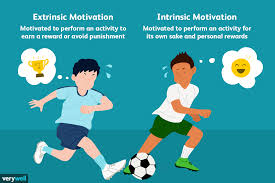
This type of motivation comes from within you. It’s about doing something because you enjoy it. Or because it feels good.
You get a sense of satisfaction. The activity itself is the reward.
Think about a hobby you love. Maybe painting or playing music. You do it because you love the process.
You don’t need someone to pay you. Or give you a prize. That feeling of joy is intrinsic motivation at work.
2. Extrinsic Motivation: The Outer Nudge
This motivation comes from outside yourself. It’s about doing something to get a reward. Or to avoid a punishment.
External factors drive your actions. You might do something for money. Or praise.
Or to avoid getting in trouble.
For example, you might work overtime to earn extra cash. Or study hard to get a good grade. These are external rewards.
They push you to do the work.
Why Does Motivation Matter So Much?
Motivation is vital for success. It helps us achieve our personal and professional goals. It drives us to learn new things.
It makes us want to improve ourselves. Without it, life can feel stagnant.
It helps us overcome challenges. It makes us more resilient. When we are motivated, we are more likely to bounce back from setbacks.
We see them as chances to learn. Not as reasons to give up.
Motivation vs. Discipline
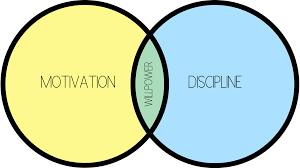
Sometimes people mix up motivation and discipline. Motivation is the desire to do something. Discipline is doing it even when you don’t feel like it.
Motivation can be your starting gun. Discipline is what helps you finish the race.
The Science Behind Motivation
Scientists have studied motivation for years. They look at brain chemicals. They also look at our needs.
This helps us understand what makes us tick.
Dopamine: The Reward Chemical
Dopamine plays a big role. It’s a neurotransmitter. It’s often called the “feel-good” chemical.
It’s linked to pleasure. It’s also linked to reward.
When you anticipate something good, dopamine is released. This makes you want it more. It’s part of what drives us to seek rewards.
Even simple things like a good meal can trigger it.
The Role of Needs
Psychologists have ideas about our basic needs. One famous idea is Maslow’s Hierarchy of Needs. It says we need certain things to feel motivated.
We need to feel safe. We need to belong. We need to feel good about ourselves.
Once these are met, we can focus on bigger goals. Like creativity and self-fulfillment.
Common Triggers of Motivation
What sparks motivation? It’s not always the same for everyone. But some things are common.
1. Clear Goals
Having a clear target helps. You know what you are working towards. Vague goals are hard to aim for.
Specific goals are much easier to grasp.
Instead of “get fit,” try “walk 30 minutes, 5 days a week.” This is a clear goal. It tells you exactly what to do.
2. Progress and Achievement
Seeing that you are making progress is a big motivator. It shows you that your effort is paying off. Small wins build momentum.
They make you feel capable.
Tracking your progress is helpful. You can see how far you’ve come. This can be very encouraging.
It makes you want to keep going.
3. Interest and Enjoyment
If you find something interesting, you’ll want to do it. Intrinsic motivation is powerful. When you enjoy a task, it doesn’t feel like work.
Trying to find the fun in tasks can help. Even boring tasks can have interesting parts. Or you can focus on the end result you enjoy.
4. Rewards and Recognition
External rewards can be effective. Especially for tasks that aren’t naturally fun. A bonus at work.
A compliment from a friend. These things can boost your drive.
However, relying too much on external rewards can backfire. It might make you lose interest in the task itself.
Quick Scan: What Motivates People
Intrinsic:
- Curiosity
- Enjoyment
- Sense of purpose
- Learning new things
Extrinsic:
- Money
- Praise
- Awards
- Avoiding punishment
My Own Motivation Struggle
I remember a few years ago. I had a big project at work. It was important.
But parts of it were very dull. I dreaded opening my email each morning. The tasks felt endless and repetitive.
My motivation was low. I would stare at the screen. I’d scroll through social media.
Anything to avoid starting. I felt stuck. I started to doubt if I could even finish it.
The feeling was one of pure annoyance.
One afternoon, I felt really down. I told my friend about it. She suggested breaking the project down.
She said to focus on just one small piece at a time. “Just do 15 minutes,” she said.
So, I tried it. I set a timer. I focused on just one small task.
When the timer went off, I felt a tiny bit better. I had actually done something. I then did another 15 minutes.
Slowly, I started to build some momentum.
My Experience with Motivation Dips
There have been times when my motivation just vanished. It was like a light switch flipped off. I wanted to start my novel.
I had all these ideas. But sitting down to write felt impossible. My mind would wander.
I’d clean my whole house. I’d organize my spice rack. Anything but write.
I felt a deep sense of frustration. It was like a wall between me and my own goals. It felt like I was failing myself.
I realized that waiting for motivation to strike was not working. It was an unreliable friend. I needed to find ways to push forward even without it.
This led me to explore discipline. And building small habits.
Real-World Scenarios: Motivation in Action
Motivation shows up in many forms. In everyday life and big challenges.
At Home
Motivation helps you tackle chores. It gets you to exercise. It might drive you to learn a new recipe.
Or to plan a family vacation.
Sometimes it’s about wanting a clean house. Or wanting to be healthy. Other times it’s about the joy of creating something.
Like a nice meal or a fun outing.
At Work
Motivation is key for job performance. It pushes you to meet deadlines. It helps you solve problems.
It drives innovation.
It can come from the desire to do good work. Or from wanting to earn a promotion. Or simply from being proud of your skills.
Learning New Skills
When you want to learn something new, motivation is essential. It keeps you going through the difficult parts. It helps you practice enough to get good.
Whether it’s learning a new language. Or mastering a new software. Motivation fuels the learning process.
Myth vs. Reality: Motivation
Myth: You must feel motivated to start a task.
Reality: Often, action comes before motivation. Starting the task can create motivation.
Myth: Motivation is a constant state.
Reality: Motivation naturally ebbs and flows. It’s normal to have less of it sometimes.
What Does This Mean For You?
Understanding motivation is empowering. It means you can take control.
When Motivation is Normal
It’s normal to feel motivated when a task is interesting. Or when a reward is clear. It’s also normal to feel motivated when you see progress.
Or when you have a strong personal reason to do something.
If you are excited about a project, that’s normal. If you feel eager to learn, that’s normal too. These are signs your internal or external motivators are working well.
When to Be Aware
Pay attention when your motivation drops suddenly. Or when it stays low for a long time. This can be a sign of something else.
It could mean the task is not a good fit. Or you are feeling burnt out. Or there are other issues affecting your energy levels.
It’s okay to feel unmotivated sometimes.
Simple Checks
Ask yourself: What do I want to achieve? Why is this important to me? Is this task aligned with my values?
Are there smaller steps I can take? Can I find a way to make this more interesting? Or can I offer myself a small reward?
Quick Fixes for Low Motivation
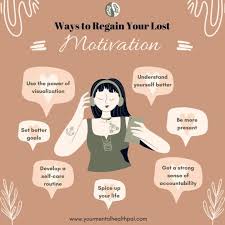
Break it Down: Tackle just one small part.
Set a Timer: Commit to just 15 minutes.
Change Your Scenery: Work in a different spot.
Find a Buddy: Work alongside someone.
Reward Yourself: Plan a small treat for finishing.
Tips to Boost Your Motivation
You don’t have to wait for motivation to appear. You can actively build it.
1. Set SMART Goals
Make your goals Specific, Measurable, Achievable, Relevant, and Time-bound. This creates a clear path. It makes progress easy to see.
A vague goal like “get healthier” is hard to track. A SMART goal like “walk 3 miles three times this week” is much better.
2. Make it Enjoyable
Find ways to add fun to your tasks. Listen to music while you clean. Turn a study session into a game with a friend.
If you can make a task more pleasant, you’re more likely to do it. Focus on the parts you like.
3. Track Your Progress
Seeing how far you’ve come is a great motivator. Use a journal. Use an app.
Or just a simple checklist.
When you see your accomplishments, it feels good. It makes you want to continue.
4. Reward Yourself
Plan small rewards for completing steps. Or for finishing a tough task. This gives you something to look forward to.
The reward doesn’t have to be big. It could be a break. Or a favorite snack.
Or watching an episode of your favorite show.
5. Build Habits
Habits reduce the need for constant motivation. When something is a habit, you do it without much thought.
Start small. For example, “read for 10 minutes each night.” Once it’s a habit, you can build on it.
6. Find Your “Why”
Connect your tasks to your bigger goals or values. Why is this important to you? What impact will it have?
Understanding your deep reasons can fuel your motivation. Especially when things get tough.
Understanding Your Personal Motivators
What activities make you lose track of time? (Hint: Intrinsic)
What rewards do you find most appealing? (Hint: Extrinsic)
When do you feel most proud of yourself? (Hint: Achievement)
What are your core values? How do your goals align? (Hint: Purpose)
Frequent Questions About Motivation
What is the difference between motivation and inspiration?
Inspiration is often a sudden spark. It’s a feeling of wanting to do something. Motivation is the drive that makes you act on that feeling.
Inspiration might start it. Motivation keeps it going.
Can I be motivated all the time?
No, it’s not realistic or healthy to be motivated all the time. Motivation naturally comes and goes. It’s normal to have days with less energy.
The goal is to manage it, not to force it constantly.
How can I motivate my kids?
Focus on intrinsic motivation. Make learning fun and relevant. Offer praise for effort, not just results.
Set clear, achievable goals together. Use rewards sparingly and tied to effort.
What if I feel burnt out? Does that mean I’m not motivated?
Burnout is different from low motivation. It’s a state of exhaustion. It happens from prolonged stress.
If you feel burnt out, you need rest and recovery. Pushing harder won’t help. Focus on self-care first.
How does a lack of motivation affect my health?
A persistent lack of motivation can impact your physical and mental health. It might lead to neglecting self-care. Or to feeling down or anxious.
It can affect your relationships and work too.
Is it okay to just not want to do something?
Yes, it is absolutely okay. You don’t have to want to do everything. The key is learning how to handle tasks you don’t want to do.
Often, action leads to motivation. Or you can use discipline.
Final Thoughts on Motivation
Motivation is a complex yet powerful force. It comes from within and from our surroundings. By understanding its roots and triggers, you can learn to harness it.
You can build habits and strategies. This helps you move forward.
It’s not about waiting for the perfect feeling. It’s about taking action. Even small steps can build momentum.
Embrace the journey. Keep pushing forward.