A power hour routine is a dedicated block of time, usually 60 minutes, focused on deep work, essential tasks, or personal growth. It helps you tackle your most important goals without distractions, leading to increased productivity and a sense of accomplishment.
What Is A Power Hour Routine?
A power hour routine is simply a set time each day. You use this hour to focus on your most important tasks. It’s like creating your own personal “golden hour.” This time is for getting things done that really matter. It helps you feel more in control of your day. It makes you more productive too.
Think about the tasks that move your needle. These are the things that help you reach your big goals. They might be work projects. They could be personal learning. Or they might be health habits. Your power hour is for these important things. It’s not for busywork. It’s not for random browsing.
This routine is all about intention. You plan this hour. You protect this hour. You make sure nothing else gets in the way. This focused effort can make a huge difference. It helps you achieve more. It helps you feel less stressed. It gives you a real sense of progress.
My Own Power Hour Struggle
I remember a time when my days felt like a whirlwind. I’d sit down to work on my biggest writing project. Then, my phone would buzz. An email would pop up. A colleague would need a quick chat. It was never one big thing. It was a million tiny things. My project never seemed to get done.
I felt so frustrated. I knew what I needed to do. But I couldn’t find the time or the focus. One Tuesday afternoon, I was staring at a blank screen. I felt a wave of despair. I had a deadline looming. My energy was low. That’s when I decided I needed a change. A big change.
I needed a way to carve out time. Time that was truly mine. Time that was free from all the noise. I thought about my mornings. They were often rushed. My evenings felt tired. I needed a dedicated block. A block for my most important work. So, I started experimenting. I wanted to find my perfect power hour routine.
Why A Power Hour Works Wonders
It hones focus. It builds momentum. It reduces stress.
It creates progress. It boosts confidence. It sets a positive tone.
Why Is A Power Hour Routine So Important?
Life throws a lot at us. We juggle work, family, chores, and social lives. It’s easy to feel overwhelmed. It’s easy to let important things slide. Things that are good for us. Things that help us grow.
A power hour routine changes this. It gives you a dedicated time. This time is sacred. You use it for your priorities. You stop getting pulled in many directions. You get to do deep, meaningful work.
This focused time helps you achieve goals faster. You make real progress. You don’t just feel busy. You feel productive. This builds your confidence. It shows you what you can do. It’s a powerful tool for self-improvement.
What To Do In Your Power Hour
Choose ONE focus: Deep work, learning, planning, exercise, creative project, or a key habit.
Designing Your Ideal Power Hour
The best power hour is one that fits you. It’s not a one-size-fits-all thing. You need to think about your life. You need to think about your energy levels. You need to think about what matters most to you right now.
First, decide on the time. When are you most alert? For some, it’s early morning. Before the world wakes up. For others, it might be mid-afternoon. When they need a boost. Or maybe it’s evening. When distractions are fewer.
Next, pick your focus. What one or two things will you work on? Be specific. Instead of “work,” say “write chapter three.” Instead of “learn,” say “complete one module of my online course.” This clarity is key.
Then, remove distractions. This is super important. Turn off your phone. Close unnecessary tabs on your computer. Tell people you’re unavailable. Create a space where you can think.
Timing Your Power Hour
Morning Power Hour: Great for fresh minds. Beat early distractions. Set a positive tone.
Midday Power Hour: Good for a mental reset. Break up long work blocks.
Evening Power Hour: Best when home is quiet. Can help wind down with a hobby.
When To Schedule Your Power Hour
The timing of your power hour matters a lot. It can make or break its success. We all have different rhythms. Our bodies and minds work best at certain times.
Consider your natural energy peaks. Are you a morning lark or a night owl? If you’re sharpest in the morning, an early power hour is best. You’ll get your most important work done before fatigue sets in. This often sets a great tone for the rest of your day.
If mornings feel slow, don’t force it. Maybe your power hour works best after lunch. This can be a good time to push through a mental block. Or perhaps you find your focus is best late at night. When the house is quiet. It’s about finding what works for your unique schedule and biology.
Also think about your typical distractions. When are they heaviest? If your mornings are filled with family needs, maybe a midday hour is better. If evenings are busy with social plans, an early morning slot might be your only option. The goal is to find a time that offers the fewest interruptions.
Focus Areas For Your Power Hour
Deep Work: Complex tasks like writing, coding, or problem-solving.
Learning: Studying a new skill, reading industry news, or taking a course.
Planning: Outlining projects, setting weekly goals, or strategizing.
Creative Pursuits: Art, music, writing fiction, or brainstorming ideas.
Health & Well-being: Meditation, journaling, or focused exercise.
What To Focus On During Your Power Hour
The most effective power hour is focused on one key thing. Trying to do too much will dilute your effort. It will make the hour feel less powerful.
Think about your biggest goals. What tasks directly contribute to them? These are the tasks that deserve your power hour. They are the ones that get you closer to where you want to be.
For example, if you want to write a book, your power hour might be dedicated to writing. Aim to write a certain number of words or pages. If you want to learn a new language, use your hour for lessons and practice.
It’s also okay for your focus to change. One week, you might need your power hour for intensive project planning. The next, it might be for learning a new software skill. The key is to choose a focus that aligns with your current priorities.
Sometimes, the focus might be on something outside of direct output. It could be a mental recharge hour. This might involve meditation or journaling. The point is that this hour is intentional and valuable.
My Daily Power Hour Setup
Prep: I gather my notes and water bottle. I close all social media. I silence my phone.
Environment: I sit at my desk in my home office. I ensure good lighting.
Task: I work on my blog post outline for 30 minutes. Then I write for 30 minutes.
End: I briefly review what I accomplished. I set a tiny goal for tomorrow.
Setting Up Your Environment
Your physical space plays a big role. It can help or hurt your focus. Think about your workspace. Is it clean? Is it organized? A cluttered space can lead to a cluttered mind.
Make sure you have everything you need. If you’re writing, have your notes ready. If you’re studying, have your books or laptop open. Minimize the need to get up and search for things. Every interruption breaks your flow.
Consider lighting and comfort. Good lighting can help you stay alert. A comfortable chair is important for longer focus periods. If you can, choose a space that is mostly quiet. If not, noise-canceling headphones can be a lifesaver.
Many people find it helpful to have a dedicated power hour spot. This could be a specific desk. Or even a corner of a room. This helps signal to your brain that it’s time to focus.
Distraction Killers
Phone: Put it on silent or airplane mode. Place it out of sight.
Notifications: Turn off email, social media, and app alerts on your computer.
People: Let household members know you need an hour of uninterrupted time.
Tabs: Close all web browser tabs that aren’t directly related to your task.
Eliminating Distractions Is Key
This is perhaps the hardest part. We are so used to constant connection. Constant alerts. Constant demands on our attention.
For your power hour to work, distractions must go. This means physically removing your phone from your immediate workspace. It means closing all unnecessary computer programs and browser tabs. It means letting others in your household know you need this time. A simple sign on the door can help.
Think about the small distractions too. The urge to check the news. The thought of needing a snack. Try to anticipate these. Have water nearby. Know that you can take a quick break if needed, but only outside your hour.
The goal is to create an environment of deep focus. For 60 minutes, you are in the zone. This allows for truly productive work. It feels amazing when you can achieve this level of concentration. It’s like hitting a stride.
Power Hour Styles
The Deep Dive: Tackle one major task with full immersion.
The Skill Builder: Focus on learning or practicing a new skill.
The Planner: Strategize and organize your week or month.
The Creator: Engage in writing, art, or another creative pursuit.
The Reflector: Use the time for journaling, meditation, or planning personal goals.
Structuring Your Power Hour
You don’t have to just sit and work for a full hour straight. You can structure it. This can make it more manageable and effective.
One popular method is the Pomodoro Technique. You work for 25 minutes. Then you take a 5-minute break. After four 25-minute work blocks, you take a longer break. You can adapt this. Maybe you work for 45 minutes and take a 15-minute break.
Another approach is to divide your hour into sections. For example, the first 10 minutes could be for planning and setup. The next 40 minutes are for focused work. The last 10 minutes could be for reviewing your progress and planning the next steps.
The key is to have a plan for the hour. This plan helps you stay on track. It prevents you from drifting. It ensures you are using the time wisely. A clear structure provides a sense of purpose.
Power Hour Checklist
Decide on the best time slot.
Choose ONE main task or goal.
Prepare your workspace.
Remove all distractions (phone, notifications, etc.).
Set a timer if needed.
Commit to staying focused for the hour.
Making Your Power Hour a Habit
Consistency is what turns a good idea into a powerful habit. At first, your power hour might feel forced. You might resist it. This is normal.
To build the habit, start small. If a full hour feels too much, try 30 minutes. Once that feels easy, increase it to 45 minutes. Then work up to 60 minutes.
Track your progress. Note down what you achieve during your power hour. Seeing your accomplishments can be very motivating. It reinforces the value of this focused time.
Be patient with yourself. If you miss a day, don’t beat yourself up. Just get back on track the next day. The goal is progress, not perfection. Over time, this hour will become a natural part of your day. It will be something you look forward to.
Quick Wins With Your Power Hour
Write 500 words: For bloggers, authors, or content creators.
Learn 5 new vocabulary words: For language learners.
Outline your next week’s tasks: For planners and organizers.
Practice a musical instrument for 30 mins: For musicians.
Meditate for 20 mins: For those seeking calm.
Common Pitfalls and How to Avoid Them
Even with the best intentions, things can go wrong. One common pitfall is letting distractions creep back in. This happens when we get too comfortable.
To avoid this, regularly remind yourself why you’re doing this. Revisit your goals. Keep your focus area very specific. If you find yourself getting sidetracked, pause. Take a deep breath. Gently guide your attention back to your task.
Another pitfall is trying to do too much. The power hour is for deep work, not multitasking. If you feel overwhelmed, narrow your focus even more. Break your task into smaller, manageable steps. For example, instead of “write blog post,” focus on “write the introduction paragraph.”
Sometimes, fatigue can be a problem. If you’re constantly tired during your power hour, your timing might be off. Or you might need to reassess your sleep habits. A power hour is most effective when you have some energy to bring to it.
Benefits of a Consistent Power Hour
The benefits of a consistent power hour routine go far beyond just getting more done. You’ll notice a real shift in your overall well-being.
Firstly, you’ll feel a greater sense of control. Instead of feeling like your day is dictated by others, you’re taking charge. This reduces stress and anxiety significantly.
Secondly, your skills will improve faster. When you dedicate focused time to learning or practicing, you make real progress. This can lead to career advancements or personal achievements.
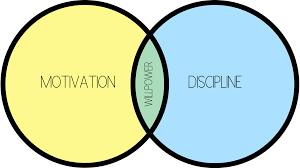
Thirdly, you’ll build self-discipline. The act of sticking to your power hour, even when you don’t feel like it, strengthens your ability to follow through. This discipline spills over into other areas of your life.
Finally, you’ll experience more satisfaction. Accomplishing meaningful tasks regularly boosts your mood and self-esteem. It creates a positive feedback loop that encourages you to continue.
Adapting Your Power Hour Over Time
Your needs and priorities will change. Your power hour should adapt with you. What worked for you six months ago might not be ideal today.
Periodically review your routine. Are you still focusing on the right things? Is the timing still optimal? Are there new distractions you need to address?
For instance, if your job duties change, your power hour focus might need to shift. If you start a new family commitment, your ideal time slot might need to be adjusted. The important thing is to be flexible and make adjustments as needed.
Don’t be afraid to experiment. Try a different time of day. Try a slightly different structure. The goal is to keep your power hour effective and motivating for you. It’s a dynamic tool, not a rigid rule.
Is A Power Hour Right for Everyone?
The concept of a power hour is highly adaptable. Most people can benefit from it. However, it’s not a magic bullet. It requires commitment and self-awareness.
For individuals with highly unpredictable schedules, like emergency responders or those with young children who have sudden needs, a fixed 60-minute block might be challenging. In such cases, a “power 30 minutes” or even “power 15 minutes” can still be incredibly effective.
The core principle is dedicating focused time to what matters. Even short bursts of focused effort can yield significant results. It’s about the quality of attention, not just the quantity of time.
Ultimately, if you feel overwhelmed, constantly busy but not productive, or struggle to make progress on important goals, exploring a power hour routine is a worthwhile endeavor.
Frequently Asked Questions About Power Hour Routines
What is the best time of day for a power hour?
The best time is when you have the most energy and fewest distractions. This varies for everyone. Mornings are popular for sharp focus, while evenings might be quieter for some.
Can I do more than one thing in my power hour?
It’s best to focus on one primary task or a closely related set of tasks. Trying to juggle too many things will reduce your effectiveness and deep focus.
What if I can’t find a full hour?
Start with what you can manage, like 30 or even 15 minutes. Consistency is more important than the exact duration. Gradually increase the time as you build the habit.
How do I deal with unexpected interruptions?
Have a plan for interruptions. If possible, let others know you’re in your power hour. If an interruption is unavoidable, take a deep breath and refocus as quickly as possible.
Don’t let one interruption derail your whole hour.
How long does it take to make a power hour a habit?
Habits typically take about 3-4 weeks to form, but this can vary. Keep at it consistently, and it will become easier and more natural over time.
What if I’m not feeling motivated for my power hour?
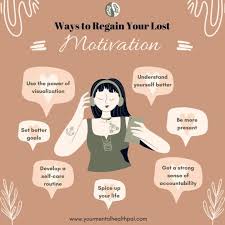
Motivation often follows action. Just start. Even if you don’t feel like it, commit to beginning.
You might find that once you start, your motivation increases. Remind yourself of the benefits and your goals.
Conclusion: Your Hour, Your Power
A power hour routine isn’t just about productivity hacks. It’s about reclaiming your time and your focus. It’s about making intentional progress on what truly matters. Start small, stay consistent, and watch how this dedicated hour transforms your days and your goals.