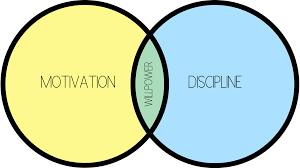
The science of motivation is about understanding the psychological and biological factors that drive our actions, desires, and goals. It explains why we do what we do, whether it’s tackling a tough project or simply getting out of bed in the morning. It’s complex but incredibly useful to know.
What Exactly Is Motivation?
Motivation is what makes you go. It’s the reason behind your actions. Think of it as the engine that powers your behavior.
It can push you toward something good. It can also pull you away from something bad. Motivation comes in many forms.
It can be a small nudge or a giant push.
It helps us decide what to do. It also helps us decide how to do it. And it tells us how long we’ll keep doing it.
Motivation drives our choices every single day. It affects our work, our hobbies, and our relationships. It’s fundamental to our human experience.
The Two Main Types of Motivation
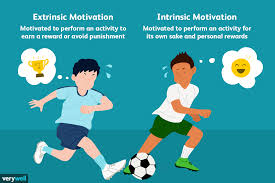
Scientists often talk about two main kinds of motivation. These are called intrinsic and extrinsic motivation. They both push us, but in different ways.
Intrinsic Motivation
This is when you do something because it feels good inside. You enjoy the activity itself. The reward is the doing.
Think of a painter who loves to paint. They paint for the joy of creating. They don’t need praise or money.
The act of painting is enough. It comes from within you. It’s personal and deeply satisfying.
This type of motivation often leads to better results. It fosters creativity and a deeper engagement. When you’re intrinsically motivated, you’re more likely to stick with something.
You’ll push through tough times. This is because the challenge itself is rewarding. It’s about passion and personal fulfillment.
Extrinsic Motivation
This is when you do something for an outside reward. It could be money, praise, or avoiding punishment. For example, you might study hard to get good grades.
The grades are the external reward. Or you might work overtime to get a bonus. The bonus is the external reward.
Extrinsic motivators can be very powerful. They can help kickstart actions. They are useful for tasks that might not be fun on their own.
However, relying too much on external rewards can sometimes lessen intrinsic interest. Once the reward is gone, the drive might disappear too.
Intrinsic vs. Extrinsic: A Quick Look
Inner Drive:
- Do it because you love it.
- Activity is its own reward.
- Leads to passion and mastery.
Outer Push:
- Do it for a prize or to avoid trouble.
- Reward is separate from the activity.
- Can be very effective for specific tasks.
The Science Behind Why We Get Motivated
So, what makes our motivation engine start? Several parts of your brain and body work together. It’s a complex system.
Let’s break down some key players.
The Role of the Brain
Your brain is the control center. Specific areas are vital for motivation. The limbic system plays a big role.
This includes the amygdala and the hippocampus. These areas help process emotions and memories. They connect experiences to our drive.
The prefrontal cortex is also crucial. This part of your brain helps with planning and decision-making. It helps you set goals.
It also helps you resist impulses. This allows you to focus on long-term rewards. It’s the executive part of your motivation strategy.
Dopamine: The “Motivation Molecule”
You’ve probably heard of dopamine. It’s a neurotransmitter. It’s often called the pleasure chemical.
But it’s more accurately the anticipation chemical. Dopamine is released when we expect a reward. It makes us want to pursue that reward.
When you think about something you enjoy, dopamine levels rise. This feeling encourages you to act. It drives your desire.
It’s not just about feeling good after you get the reward. It’s the excitement of expecting it. This is a powerful motivator.
It pushes us to seek out new experiences and goals.
Other Brain Chemicals
Dopamine isn’t the only player. Other chemicals also influence motivation. Serotonin affects mood and well-being.
Lower serotonin levels can decrease motivation. Norepinephrine is linked to alertness and attention. It helps us stay focused on our goals.
Endorphins are released during exercise. They create feelings of pleasure and reduce pain. This can motivate you to keep exercising.
These chemicals work together. They create a complex cocktail of feelings and drives. They shape our desire to act.
The Power of Goals
Goals are like destinations on a map. They give us something to aim for. Setting clear goals is a fundamental part of motivation.
When you have a goal, you have a direction. This makes it easier to stay motivated.
Goals should be specific and achievable. Vague goals are hard to pursue. “Get fit” is vague.
“Walk for 30 minutes, 3 times a week” is specific. Specific goals give us clear steps. They allow us to track progress.
This progress itself is motivating.
SMART Goals
A popular framework for goal setting is SMART. This stands for:
- Specific: What exactly do you want to achieve?
- Measurable: How will you track your progress?
- Achievable: Is the goal realistic for you?
- Relevant: Does the goal align with your values?
- Time-bound: When will you achieve this goal?
Using the SMART method helps make goals more concrete. It turns abstract desires into actionable plans. This structure boosts motivation by making success feel more likely.
My Own Wake-Up Call with Motivation
I remember a few years ago. I had this big project at work. It was exciting but also massive.
I kept putting it off. Every day, I’d open the file, stare at the screen, and then find something else to do. Laundry?
Check. Answering emails? Done.
Anything but the project.
I felt this gnawing guilt. I knew I should be working. But the sheer size of it felt overwhelming.
The motivation just wasn’t there. I’d get a small burst of energy, start for 15 minutes, then crash. It was frustrating.
I’d tell myself, “Tomorrow, I’ll really tackle it.” But tomorrow never came.
One evening, I was scrolling online. I saw an article about breaking down big tasks. It talked about celebrating small wins.
It wasn’t about finding a magic pill. It was about changing my approach. I decided to try.
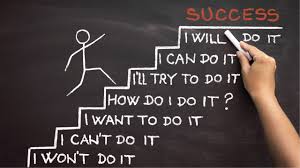
I committed to working on the project for just 20 minutes that night. Just 20 minutes. I told myself I could stop after that.
And I did.
But something shifted. Those 20 minutes felt doable. I made a tiny bit of progress.
The next day, I did 25 minutes. Slowly, chunk by chunk, the project started to move. The guilt lessened.
The sense of accomplishment grew. It wasn’t a sudden surge of motivation. It was a slow build.
It showed me that motivation isn’t always a lightning strike. Often, it’s a steady glow that starts with a tiny spark of action.
Key Takeaway from My Project Struggle:
The Situation: A huge, daunting project.
My Feeling: Overwhelmed, lack of motivation, procrastination.
The Shift: Started with tiny, manageable steps (just 20 minutes).
The Result: Gradual progress, increased motivation, reduced guilt.
The Lesson: Action often creates motivation, not the other way around.
How Our Environment Affects Motivation
Where you are matters. Your surroundings can either boost or drain your motivation. A cluttered desk can make you feel unfocused.
A quiet, organized space can help you concentrate.
Think about your workspace. Is it inspiring? Does it have things that help you focus?
Natural light is also important. Studies show it can improve mood and energy levels. Making small changes to your environment can have a big impact.
Social Influences
The people around you also play a role. If your friends are motivated and driven, it can rub off on you. If they tend to be negative or unmotivated, that can also influence you.
Surrounding yourself with supportive people is key. They can cheer you on. They can offer help when you’re struggling.
This social support can be a powerful motivator. It makes you feel less alone in your efforts.
Habits and Motivation
Habits are actions you do often. They become automatic. When something is a habit, it requires less conscious effort.
This means it requires less motivation to start.
For example, brushing your teeth is a habit. You don’t need a lot of motivation to do it. You just do it.
Building positive habits can free up your motivation for bigger things. It’s about setting up systems that work for you.
Habit Stacking: A Simple Trick
What it is: Linking a new habit to an existing one.
How it works: After you do an old habit, you do a new one.
Example: After you brush your teeth (existing habit), do 10 squats (new habit).
Why it helps: Uses the momentum of the old habit to start the new one.
The Role of Self-Efficacy
Self-efficacy is your belief in your ability to succeed. It’s your confidence in your skills. If you believe you can do something, you’re more likely to try.
And if you try, you’re more likely to succeed.
This belief is a huge motivator. If you think you’ll fail, why bother trying? If you think you can achieve it, you’ll put in the effort.
Building self-efficacy comes from past successes. It also comes from seeing others succeed. It can be boosted by encouragement.
When Motivation Wanes: Why It Happens
It’s normal for motivation to fluctuate. There are many reasons why it might dip.
Burnout
Working too hard for too long can lead to burnout. This is a state of emotional, physical, and mental exhaustion. When you’re burned out, motivation plummets.
You feel drained and uninspired.
Burnout often happens when demands outweigh resources. It’s a sign that you need to rest. It’s important to recognize the signs.
Taking breaks is not lazy. It’s essential for long-term motivation and performance.
Lack of Clarity
If you don’t know what you’re supposed to do, motivation suffers. Vague instructions or unclear goals are demotivating. You can’t move forward if you don’t know the direction.
Clear communication is vital. When goals are well-defined, people are more likely to be motivated. They understand what is expected.
They can see how their work fits into the bigger picture.
Fear of Failure
Sometimes, the fear of not succeeding can stop us before we even start. This fear can be paralyzing. It prevents us from taking risks.
It keeps us in our comfort zone.
The key is to reframe failure. See it as a learning opportunity. Everyone fails sometimes.
It’s how you respond to failure that matters. Dust yourself off and try again. This mindset can overcome the fear.
Common Motivation Killers:
Feeling Overwhelmed: The task seems too big or too hard.
Lack of Interest: The task is boring or doesn’t feel important.
Uncertainty: Not knowing what to do or how to do it.
Fatigue: Being too tired physically or mentally.
External Stressors: Problems in other areas of life affecting focus.
Strategies to Boost Your Motivation
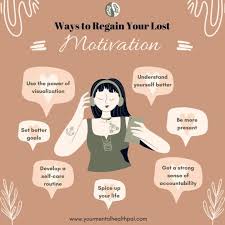
Now that we understand the science, how can we use it? Here are some practical ways to boost your motivation.
Break Down Big Tasks
As I learned, huge tasks can feel impossible. Break them into smaller, manageable steps. Focus on completing one small step at a time.
This makes the overall goal seem less daunting.
Each small success builds momentum. It provides a sense of accomplishment. This feeling fuels further motivation.
It creates a positive feedback loop. You start to believe you can conquer the larger goal.
Celebrate Small Wins
Don’t wait until the very end to celebrate. Acknowledge and reward yourself for completing each small step. This reinforces positive behavior.
It makes the process more enjoyable.
The reward doesn’t have to be grand. It could be a short break, a cup of coffee, or listening to a favorite song. These small celebrations keep your spirits high.
They remind you why you’re working toward your goal.
Visualize Your Success
Imagine yourself achieving your goal. See yourself feeling proud and accomplished. Visualization can be a powerful motivator.
It helps you connect emotionally with your desired outcome.
When you can clearly picture the end result, it feels more real. This mental rehearsal can increase your confidence. It makes the goal feel attainable.
It strengthens your desire to make it happen.
Quick Motivation Boosters:
Set a Timer: Work for short, focused bursts (e.g., 25 minutes). This is the Pomodoro Technique.
Change Your Scenery: Sometimes moving to a new location can help.
Listen to Music: Upbeat music can increase energy and mood.
Positive Self-Talk: Tell yourself you can do it.
Visualize the Outcome: Imagine how good it will feel to succeed.
Find Your “Why”
Connect your goals to your deeper values. Why is this goal important to you? What will it mean for your life?
When you understand your core motivation, it’s easier to stay committed.
Your “why” acts as an anchor. During tough times, it reminds you of the purpose. It gives you a reason to keep going.
It provides meaning to your efforts. This makes the journey feel worthwhile.
Build a Support System
Share your goals with friends, family, or colleagues. Ask for their support. Having accountability partners can make a huge difference.
Knowing someone is checking in can keep you on track.
These people can offer encouragement. They can provide advice. They can help you stay motivated when you feel like giving up.
A strong support network is invaluable.
Motivation in Different Areas of Life
The science of motivation applies everywhere. Let’s look at a few examples.
Workplace Motivation
In the workplace, motivation drives productivity. Employers often use incentives like bonuses or promotions. But intrinsic motivators are also key.
Giving employees autonomy and opportunities for growth can boost engagement.
Clear communication of company goals is important. When employees understand how their work contributes, they feel more motivated. Recognition for good work also plays a big role.
Fitness Motivation
Getting and staying motivated to exercise can be tough. Finding an activity you enjoy is crucial. This taps into intrinsic motivation.
Setting realistic fitness goals is also important.
Tracking progress, like running a longer distance or lifting more weight, can be very motivating. Finding a workout buddy or joining a fitness group adds a social element that helps. Celebrating milestones keeps the drive alive.
Fitness Motivation Comparison:
Scenario: Person A joins a gym for weight loss.
Person A – Extrinsic Focus: Motivated by the number on the scale and fitting into old clothes. May lose motivation if results are slow.
Scenario: Person B starts hiking because they love nature.
Person B – Intrinsic Focus: Motivated by the enjoyment of the outdoors and the feeling of accomplishment after a hike. More likely to maintain the habit long-term.
Learning Motivation
When you’re curious about a subject, learning feels natural. This is intrinsic motivation in action. Making learning relevant to your life or career can also increase motivation.
Breaking down study material into smaller chunks helps. Setting study goals and tracking progress provides a sense of achievement. Successful learning experiences build confidence, which fuels future motivation.
Common Questions About Motivation
Conclusion
Understanding the science of motivation is powerful. It’s a mix of brain chemistry, psychology, and our environment. By using strategies like setting clear goals, breaking down tasks, and finding your “why,” you can boost your drive.
Remember that motivation isn’t constant. It ebbs and flows. The key is to build systems and habits that support you.
This will help you stay on track, even when inspiration is low. You have the power to cultivate your own motivation.