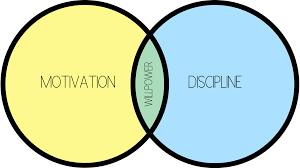
Discipline is the bridge between goals and accomplishment. When you build habits and routines, you create structure. This structure then frees up your time and energy. It lets you focus on what truly matters. It leads to a feeling of control and peace.
Understanding How Discipline Creates Freedom
Think about it. When you have a clear plan, you don’t waste time wondering what to do next. When you have a good habit, like waking up early, you get a head start on your day.
This feeling of being in control is a huge part of freedom. It means you’re not constantly reacting to things. You are making choices.
You are directing your own life. This is the core idea: discipline equals freedom. It sounds strange, but it’s true.
Many people think of discipline as being strict or boring. They see it as something that limits them. They imagine being told “no” all the time.
But real discipline is different. It’s about making good choices now. These choices set you up for a better tomorrow.
They open up more possibilities. They give you more room to breathe. It’s like building a strong foundation.
Once it’s there, you can build a beautiful house on top. This house is your life, full of choices and opportunities.
The opposite of this is chaos. When there’s no routine, every day can feel like a new battle. You might struggle to get things done.
You might feel overwhelmed. This lack of structure can make you feel trapped. You don’t have the time or energy for the things you really want to do.
You are controlled by your immediate needs or distractions. This isn’t freedom. This is being a slave to the moment.
True freedom comes from having the power to choose your direction. And that power comes from self-discipline.
My Own Struggle with Chaos
I remember a time when my life felt like a mess. I was working a job I didn’t love. My evenings were spent feeling drained.
I wanted to start a side project. I had big ideas. I wanted to learn new skills.
But I always felt like there wasn’t enough time. I’d sit down to work on my project. Then I’d get distracted by social media.
Or I’d just feel too tired. I’d tell myself, “I’ll do it tomorrow.” Tomorrow never seemed to come.
I felt stuck. I wanted more out of life. I wanted to create something meaningful.
But my days were controlling me, not the other way around. I would scroll through feeds, feeling guilty. I knew I was wasting precious time.
I’d see other people achieving things. I’d wonder how they did it. I thought maybe they were just luckier.
Or maybe they had more natural talent. I didn’t realize they were likely building small habits. These habits added up.
They gave them the results they wanted.
One evening, I was staring at my computer screen. I had planned to write for my blog. Instead, I was watching silly videos.
I felt a wave of frustration wash over me. It wasn’t anger, but a deep sadness. I was letting my dreams slip away.
I was choosing comfort over progress. That was the moment I knew something had to change. I realized my lack of structure was stealing my freedom.
It was stealing my potential. I needed to learn how to build discipline.
Small Steps to a Bigger Picture
Building discipline isn’t about huge, sudden changes. It’s about small, consistent actions. Think of it like adding a few drops of water to a bucket each day.
Eventually, the bucket will fill up. These small actions build momentum. They create a sense of accomplishment.
They make the next step easier.
The Science Behind Habits and Freedom
Our brains love habits. Habits are like shortcuts. They help us do things without thinking too much.
This saves mental energy. When you have a good habit, like brushing your teeth, you don’t have to decide to do it each time. Your brain just does it.
This frees up your mind for bigger decisions. This is a form of freedom.
When you consciously build positive habits, you are training your brain. You are teaching it to act in ways that serve your goals. You are taking control of your automatic behaviors.
This process is powerful. It means you are not just letting life happen to you. You are actively shaping your experience.
This is the essence of discipline equals freedom. It’s about having the power to steer your ship.
Neuroscience shows us that repeating an action strengthens the neural pathways for that action. The more you do something, the easier it becomes. This is why starting is often the hardest part.
But once a habit is established, it requires less willpower. This means you actually gain more freedom over time. You don’t have to fight yourself as much.
You just do the things that move you forward. This creates a positive feedback loop.
Habit Loop Breakdown
Cue: A trigger that tells your brain to go into automatic mode. (e.g., feeling bored)
Routine: The behavior itself. (e.g., picking up your phone)
Reward: Something that satisfies your brain. (e.g., a hit of dopamine from social media)
Understanding this loop helps you change bad habits and build good ones.
Building Your Personal Freedom Framework
So, how do you actually build this kind of discipline? It starts with clear goals. What does freedom look like for you?
Is it more time with family? Is it building a business? Is it having better health?
Once you know your goals, you can break them down. What small habits will get you there? If you want to write a book, a habit might be “write for 30 minutes every morning.” If you want to be healthier, a habit might be “walk for 20 minutes after dinner.” Start small.
Make it so easy you can’t say no.
I found that setting up my environment helped a lot. If I wanted to exercise in the morning, I’d lay out my workout clothes the night before. If I wanted to eat healthier, I’d prep my lunch ahead of time.
This removed the need for a decision in the moment. It made the disciplined choice the easiest choice. This is a key strategy: make the right action the path of least resistance.
Your First Steps to Freedom
Identify ONE goal you want to achieve.
Choose ONE small habit that moves you towards that goal.
Make it easy to do that habit every day for a week.
Celebrate each small win!
The Impact of Structure on Daily Life
When you have a structured day, it feels different. Mornings are smoother. You know what comes next.
You spend less time feeling rushed or stressed. This calm feeling is a form of freedom. It’s freedom from the constant pressure of the unknown.
Evenings become more enjoyable. Instead of dreading the next day, you might feel a sense of accomplishment. You know you’ve made progress.
This allows you to relax and recharge. You have earned that rest. This is freedom from guilt and anxiety about unfinished tasks.
Overall, your entire outlook changes. You start to feel more capable. You believe in your ability to achieve things.
This confidence is a significant form of freedom. It’s freedom from self-doubt. It’s the freedom to pursue bigger dreams.
Remember, discipline equals freedom. The more you practice it, the more freedom you experience.
When Discipline Feels Like a Burden
It’s true, sometimes discipline can feel hard. There will be days when you don’t feel motivated. There will be times when you want to give up.
This is normal. What separates people who achieve their goals from those who don’t is how they handle these moments.
Instead of seeing it as a sign to quit, see it as a test. Can you stick with it even when it’s tough? This is where willpower comes in.
But willpower is a muscle. It gets stronger with practice. You can train it.
Each time you push through a difficult moment, you build that muscle.
Also, remember why you started. Connect back to your goals. Why do you want this freedom?
Reminding yourself of the “why” can give you the boost you need. I often write down my main goals and put them where I can see them. This helps me remember the bigger picture when I feel like slacking off.
Myth vs. Reality
Myth: Discipline means never having fun.
Reality: Discipline creates more time and energy for true enjoyment. It removes the guilt that often comes with “fun” that detracts from your goals.
Myth: You need to be perfect from day one.
Reality: Progress, not perfection, is the goal. Small steps and occasional slip-ups are part of the process.
Real-World Scenarios Where Discipline Unlocks Freedom
Let’s look at some everyday examples. Think about someone who wants to travel more. They might need to save money.
This requires disciplined spending. They might track their expenses. They might cut back on non-essential purchases.
This sounds restrictive. But the reward is freedom. The freedom to book that trip.
The freedom to explore new places.
Consider a student who wants to get into a good college. They need good grades. This requires disciplined study habits.
They might set a schedule for homework. They might review notes regularly. This isn’t always fun.
But it leads to the freedom of more educational choices. It opens doors to opportunities they wouldn’t otherwise have.
In the workplace, someone who wants a promotion often needs to be reliable and productive. This means showing up on time. It means completing tasks well.
It means going the extra mile when needed. This consistent effort, this discipline, leads to career advancement. It gives them the freedom of better pay, more interesting work, and greater job security.
Habits for Different Freedoms
Financial Freedom: Budgeting, saving a portion of income, avoiding impulse buys.
Health Freedom: Regular exercise, balanced diet, consistent sleep schedule.
Creative Freedom: Daily writing/drawing practice, dedicated work time, learning new techniques.
Time Freedom: Planning your day, saying “no” to distractions, prioritizing tasks.
What This Means for Your Life Now
Understanding that discipline equals freedom can be a game-changer. It shifts your perspective. Instead of seeing discipline as a chore, you see it as a tool.
It’s a tool that builds the life you want. It’s a tool that gives you more control.
When is it normal to feel resistance? It’s normal when you’re trying to build a new habit. It’s normal when you’re pushing past your comfort zone.
Don’t let that resistance stop you. Acknowledge it. Then, take the next small step anyway.
When should you worry? You should worry if you feel completely overwhelmed. Or if your attempts at discipline are causing extreme stress and unhappiness without any progress.
This might mean your goals are too big, or your habits are too difficult to start. It’s okay to adjust. It’s okay to ask for help.
Sometimes talking to a friend or coach can offer new strategies.
Simple Ways to Strengthen Your Discipline Muscle
Here are some practical tips to get started:
- Start Small: Pick one habit. Make it tiny. Like “drink one glass of water when you wake up.”
- Be Consistent: Aim to do your habit every day. Even weekends.
- Track Your Progress: Use a calendar or an app. Crossing off days feels good. It shows you what you’ve accomplished.
- Plan Your Day: Spend 5-10 minutes each morning or evening planning your tasks. This creates a roadmap.
- Remove Temptations: If social media distracts you, turn off notifications. Or use an app blocker. Make it harder to fall into old patterns.
- Reward Yourself: When you stick to a habit for a week, give yourself a small, healthy reward. This reinforces the positive behavior.
- Practice Self-Compassion: If you miss a day, don’t beat yourself up. Just get back on track the next day. One missed day doesn’t erase your progress.
Quick Checks for Self-Discipline
Am I taking consistent action? (Even small actions count)
Am I learning from my slip-ups? (They are learning opportunities)
Are my habits aligned with my bigger goals? (Does this habit truly serve me?)
Am I being kind to myself? (Progress over perfection)
Frequently Asked Questions About Discipline and Freedom
Is discipline really the path to freedom?
Yes! It might seem counterintuitive. But building good habits and routines gives you control.
This control means you aren’t dictated by impulse or circumstance. You get to choose your path. That’s the definition of freedom.
How can I build discipline if I’m not a naturally disciplined person?
Discipline is a skill. It’s learned, not innate. Start with very small habits.
Make them easy to do. Consistency is more important than intensity when you are starting out. Celebrate every small win to build momentum.
What’s the biggest mistake people make when trying to be more disciplined?
Trying to change too much too soon. They set huge goals or try to build many habits at once. This often leads to feeling overwhelmed and giving up.
The key is to start small and build gradually. Focus on one or two habits at a time.
How do I stay motivated when building discipline?
Motivation comes and goes. Discipline is about acting even when you don’t feel motivated. Focus on your “why.” Remind yourself of your goals.
Also, track your progress. Seeing how far you’ve come can be a great motivator. And remember that discipline itself breeds motivation over time.
What if I have a setback and miss a day of my habit?
Don’t let one missed day derail you. Everyone has off days. The important thing is to get back on track the next day.
Don’t dwell on the mistake. See it as a learning opportunity and move forward. Your consistency over time is what matters most.
How can I balance discipline with enjoying life?
True discipline actually creates more opportunity for enjoyment. When you’re disciplined, you finish your responsibilities. You earn your downtime.
You don’t have guilt hanging over you. Think of discipline as building the structure that supports your freedom to truly enjoy life.
Conclusion: Embrace Discipline for True Freedom
It’s time to see discipline differently. It’s not a punishment. It’s a pathway.
It’s the foundation you build for a life of more choice. More peace. More accomplishment.
Start small, stay consistent, and you’ll find that the effort you put in today creates the freedom you’ll enjoy tomorrow.