Consistency isn’t about feeling inspired. It’s about showing up, even when inspiration is gone. It means doing the small things, day after day. This builds momentum and makes big goals achievable over time. It’s the quiet force behind all lasting success.
What is Consistency, Really?
Consistency means doing the same thing regularly. It’s about habit. It’s about showing up.
Even when you do not want to. Think about brushing your teeth. You do it every day.
You do not wait to feel motivated. You just do it. That is consistency in action.
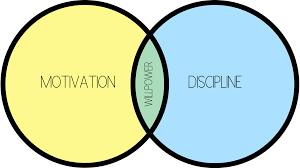
It is different from motivation. Motivation is a feeling. It comes and goes.
It is like a wave. You ride it when it is there. But waves do not last forever.
Consistency is the steady tide. It is always there. It is the backbone of all progress.
Without it, motivation alone will not get you far.
Why does this matter so much? Because our brains are wired for habit. When something becomes a habit, it takes less energy.
Your brain learns the routine. It becomes automatic. This is a good thing!
It frees up your mental power for other things.
Consistency builds momentum. Small actions, repeated often, add up. A little bit each day becomes a lot over time.
This is true for fitness. It is true for learning. It is true for building a business.
It is the power of compounding.
My Own Motivation Meltdown
I remember starting my online business. I was so excited! I stayed up late learning about websites.
I designed logos. I wrote blog post ideas. For about three weeks, I was on fire.
I told everyone about my plans. I felt unstoppable. Then, a big client project came up at my day job.
It was stressful and demanding. My evenings were gone. My weekends too.
My business plans sat on the shelf. The excitement vanished. I felt guilty.
I felt like a failure. I told myself, “I just need more motivation.” But where do you get that? It felt like a dead end.
That’s when I realized motivation wasn’t enough. I needed a different strategy.
I had learned a hard lesson. My “all-in” approach was not sustainable. I had expected to feel that initial excitement forever.
That’s not how life works. So, I had to rethink my approach. I started small.
Instead of aiming for hours of work, I aimed for minutes. Even 15 minutes was a win. It felt silly at first.
But slowly, those 15 minutes began to add up. I learned to connect it to something I already did. This made it a habit.
It became less about feeling inspired and more about just doing it. It was a slow process. But it was progress.
Real progress. This shift changed everything for me.
Consistency vs. Motivation: Quick View
Motivation:
Like a flash of lightning. Bright, exciting, but brief.
Consistency:
Like a steady candle flame. Reliable, burns longer, lights the way.
The Science Behind Consistent Action
Our brains love patterns. They look for ways to save energy. This is called neuroplasticity.
When you repeat an action, your brain creates stronger neural pathways. These pathways make the action easier. It requires less conscious effort.
This is how habits form. It’s not magic. It’s brain science.
When you start a new habit, your brain is working hard. It’s like building a new road. It takes effort.
But with each repetition, that road gets paved. It becomes a highway. Driving on it becomes smooth and easy.
Your brain actually changes physically. It adapts to your repeated actions.
This also means that stopping a habit is hard. The pathways are strong. But the good news is, you can build new ones.
You can overwrite old patterns. Consistency is the key to building these new, positive pathways. It’s about training your brain.
Think about learning to ride a bike. At first, it’s wobbly. You fall.
You get back up. You try again. Each time, your muscles and brain learn.
You don’t even think about it anymore. That’s the power of consistent practice. It becomes second nature.
Even small, consistent efforts have a big impact. This is the principle of compounding. In finance, compound interest means your money grows faster over time.
In habits, it’s the same. Small actions add up. They compound.
They lead to significant results later on. This is why consistency trumps sporadic bursts of effort.
Myth vs. Reality: The Motivation Myth
Myth:
You need to feel motivated to start or continue a task.
Reality:
You need to act to create motivation. Action often breeds inspiration.
Building Your Consistency Muscle
So, how do you actually build this consistency? It’s not about willpower alone. It’s about smart strategies.
One key is making your desired action obvious. Another is making it easy. You also want to make it satisfying.
Start with tiny habits. Instead of “I will exercise for an hour,” try “I will do 10 push-ups.” Or “I will read 5 pages.” These small steps are easy to start. They are hard to say no to.
Once you start, you might do more. But the goal is just to do the small thing.
Link new habits to old ones. This is called habit stacking. For example, “After I brush my teeth, I will meditate for one minute.” Brushing teeth is already a habit.
Adding the new action to it makes it easier to remember. It becomes part of your routine.
Make your environment work for you. If you want to eat healthier, keep healthy snacks visible. Put your running shoes by the door.
If you want to drink more water, keep a water bottle on your desk. Reduce the friction for the good habits. Increase it for the bad ones.
Track your progress. Seeing your streak grow is motivating. It can be a simple checkmark on a calendar.
Or an app on your phone. This visual feedback reinforces your behavior. It shows you that you are making progress.
Forgive yourself for missed days. Everyone slips up. One missed day does not ruin everything.
The key is to get back on track immediately. Do not let one missed workout turn into a week of missed workouts. Just start again tomorrow.
Or even later today. It’s the return that matters.
Celebrate small wins. Acknowledge your effort. Did you stick to your plan for a week?
Great! Treat yourself. This positive reinforcement helps your brain associate the habit with reward.
This makes you more likely to stick with it.
My Go-To Consistency Toolkit
- Habit Tracker App: Simple checkmarks keep me accountable.
- Visual Cues: Running shoes by the door, water bottle on my desk.
- Time Blocking: Scheduling my small actions like appointments.
- Accountability Partner: Sharing goals with a friend.
- Pre-Commitment: Deciding the night before what I’ll do.
Consistency in Real Life: Stories That Inspire
Think about successful athletes. Do they only train when they feel like it? Of course not.
They train every day. Rain or shine. Injury or perfect health.
That daily commitment is what makes them great. Michael Phelps did not win all those medals on days he felt “motivated.” He won them through relentless, consistent practice.
Consider writers. Authors like Stephen King are famously prolific. They often write thousands of words a day.
This isn’t because they wake up bursting with ideas. It’s because they treat writing like a job. They show up at their desk.
They write. Even when the words don’t flow easily. Their consistency builds their output.
Think about small business owners. Many build their companies through sheer persistence. They handle customer service.
They manage inventory. They market their products. Day in and day out.
They don’t wait for the perfect sales day. They work through slow periods. Their consistent effort pays off over years.
Even learning a musical instrument relies on consistency. A few minutes of practice each day is far more effective than one long session once a week. This is because muscle memory and understanding build gradually.
It’s the steady repetition that leads to mastery.
These examples show a common thread. Great achievements are rarely the result of a single, massive effort. They are the result of many small, consistent efforts over a long period.
It’s the marathon, not the sprint. And consistency is what allows you to run that marathon.
Quick Scan: Consistency in Action
| Goal | Motivation-Led Approach | Consistency-Led Approach |
|---|---|---|
| Fitness | Workout only when feeling energetic. Skipped days lead to guilt. | Do 15 minutes daily, even on low-energy days. |
| Learning | Study only when a test is near or topic is exciting. | Read 1 chapter or do 1 lesson daily. |
| Creative Project | Work on it only when inspired. Often abandoned. | Spend 30 minutes daily on the project. |
When Motivation is High, What Should You Do?
It’s great when you feel motivated! Don’t waste that energy. But use it wisely.
When you have that spark, channel it into building systems. Use your motivation to set up your environment for success. Use it to create your habit tracker.
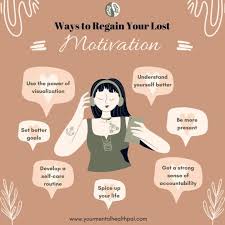
Motivation is excellent for starting. It can help you overcome the initial inertia. It can help you establish the first few steps of a new habit.
For example, if you feel motivated to clean your house, use that feeling to deep clean one area. Or to declutter one closet.
You can also use high motivation to plan ahead. If you are excited about starting a new fitness routine, use that energy to plan your workouts for the next week. Prep your gym bag.
Make your healthy meals. This makes it easier to stick with it when motivation dips.
However, never rely solely on motivation. Think of it as a bonus. A helpful boost.
But not the engine. The engine is consistency. So, when you feel that surge, use it to reinforce your habits.
Make your systems stronger. This way, when motivation fades, your systems will keep you going.
It’s about being strategic. Use the high times to build the structures that will support you through the low times. This is how you ensure progress is steady, not just fleeting.
When Motivation is Low, This is Crucial
This is the true test. This is where consistency shines. When you don’t feel like doing the thing, you rely on your habits.
You rely on your systems. You do the small action. You don’t think about it.
You just do it.
If your goal is to write, and you don’t feel inspired, you sit down and write 500 words. It might be bad. It might be boring.
But you did it. That’s the win. You honored your commitment.
You kept the streak alive.
If you committed to meditating, and your mind is racing, you still sit for your planned 5 minutes. You don’t have to “clear your mind.” You just have to show up. This is where the real strength is built.
It’s in these moments of resistance.
The key here is to lower the bar. If your usual workout is an hour, and you have zero energy, aim for 10 minutes. Or just do the warm-up.
The goal is to avoid breaking the chain. A broken chain is much harder to restart than a slightly shorter, but unbroken, one.
This is why tiny habits are so powerful. When motivation is at its lowest, doing “one push-up” or “reading one page” is still achievable. It’s the commitment to the process, not the feeling, that matters.
Think of it as paying dues. You pay your dues when you don’t feel like it. This builds up a reserve of progress.
So that when motivation does return, you have a strong foundation to build on.
The “Just Show Up” Mindset
What it is: Committing to the action, not the feeling.
Why it works: Action often creates motivation. Showing up builds momentum and self-trust.
How to do it: Lower the task to its smallest possible component. Do that one thing.
Common Pitfalls on the Path to Consistency
Many people stumble when trying to be consistent. One big pitfall is aiming too high too soon. We start with ambitious goals.
“I’ll go to the gym for 2 hours daily!” This is rarely sustainable. It leads to burnout and giving up. It’s better to start small and build up.
Another issue is the “all or nothing” thinking. If you miss one day, you think, “I’ve failed. I might as well give up.” This is a trap.
One missed day is not failure. It’s a small setback. The goal is to get back on track immediately.
Lack of a clear system is also a problem. If you don’t know exactly what to do or when to do it, it’s easy to skip. Vague intentions like “I’ll be more organized” don’t work.
You need specific steps. You need a plan.
Not tracking progress can make you feel like you’re not getting anywhere. This can be demotivating. Seeing your progress, even small steps, is crucial for staying motivated.
It provides evidence that your efforts are paying off.
Finally, not forgiving yourself for slip-ups is a major hurdle. We are human. We have off days.
Instead of beating yourself up, acknowledge it, learn from it, and move forward. Self-compassion is key to long-term consistency.
Avoid These Consistency Killers
Trap:
Too much too soon.
Solution:
Start small. Tiny habits work best.
Trap:
All or nothing thinking.
Solution:
Embrace imperfection. Get back on track.
Trap:
Vague goals.
Solution:
Make your actions clear and specific.
Making Consistency Work for You
The most important takeaway is that consistency is a skill. It can be learned and improved. It’s not about being perfect.
It’s about being persistent. It’s about showing up, day after day, even when it’s hard.
Start by identifying one small habit you want to build. Make it incredibly easy to start. Link it to an existing routine.
Track your progress. And most importantly, be kind to yourself. Celebrate your wins.
Forgive your stumbles. And get back on track.
Consistency is the quiet engine of achievement. It doesn’t always feel exciting. It’s often mundane.
But it’s reliable. It’s powerful. And it’s the most direct path to reaching your goals.
So, let’s stop waiting for motivation to strike. Let’s start building consistency, one small action at a time.
Remember, the goal isn’t to feel motivated all the time. The goal is to build a system that works for you, no matter how you feel. This is the true power of consistency.
It’s the steady, reliable force that turns dreams into reality.
Frequently Asked Questions About Consistency
Is consistency more important than talent?
For long-term success, consistency is often more important than talent. Talent can give you a head start, but without consistent effort, that advantage can be lost. Many talented people never reach their potential because they lack the discipline to practice regularly.
How long does it take to form a consistent habit?
The common saying is 21 days, but research shows it varies greatly. It can take anywhere from 18 to 254 days for a new habit to become automatic. The key is consistent practice, not a fixed timeframe.
Focus on sticking with it.
What if I miss a day? Does that ruin my consistency?
No, missing one day does not ruin your consistency. It’s how you respond that matters. Don’t let a missed day turn into two or three.
The best strategy is to get back on track the very next day. It’s the “never miss twice” rule.
How can I stay consistent when I feel bored?
Boredom is common. Try to make the task more engaging. You could gamify it, listen to music or a podcast, or change your environment.
Sometimes, acknowledging the boredom and doing the task anyway is the most effective strategy. Action can help shift your mood.
Should I always do the same thing every day for consistency?
Not necessarily. Consistency means sticking to your goal, but flexibility can be good. For example, if your goal is exercise, and you can’t make it to the gym, a home workout or a long walk still counts as consistent effort.
Adapt as needed, but don’t quit.
Can consistency help me overcome procrastination?
Absolutely. Consistency builds momentum and reduces the need for willpower. When a task is a consistent part of your routine, it becomes harder to procrastinate.
Starting small with tiny habits makes it easier to begin, and action often defeats procrastination.
What is the difference between habit and routine?
Habits are actions performed automatically without much thought. Routines are sequences of actions that are performed regularly. A consistent routine can help build habits.
For instance, a morning routine might include brushing your teeth (a habit), drinking water (a habit), and then journaling (a new habit you are building).
The Enduring Power of Showing Up
The journey to any meaningful goal is rarely a straight line. It’s a path with ups and downs. Motivation is a fantastic companion for the smooth stretches.
But consistency is the unwavering guide that helps you navigate the rough patches. It’s about building a reliable process. A process that works even when you don’t feel like it.