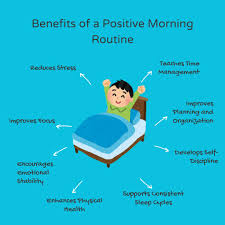
Building a morning routine that boosts your motivation is totally doable. It involves small, consistent steps that add up. You can create a morning that energizes you and sets a positive tone for your whole day.
It’s about making time for yourself before the world rushes in.
Understanding Morning Motivation
Morning motivation is that inner drive. It’s what makes you want to get up and do things. It’s like a little spark inside.
Some days, that spark is a bonfire. Other days, it’s a tiny ember. Many things affect it.
Sleep quality is huge. What you ate yesterday matters. Your stress levels play a big role too.
Even the weather can give it a nudge.
Think of your motivation like a muscle. If you don’t use it, it gets weak. If you work it out, it gets stronger.
A good morning routine is like a workout for your motivation. It trains your mind and body. It tells them, “We’ve got this.” It helps you feel more in control of your day.
The science is pretty clear. When you wake up, your brain is in a different state. Your hormones are shifting.
Your energy levels are starting to rise. This is a prime time to shape your day. A planned morning can leverage these natural changes.
It makes it easier to feel motivated.
Many people struggle with this. They hit snooze. They grab their phone.
They scroll through news or social media. This can instantly make them feel rushed or anxious. It fills their minds with others’ thoughts.
It doesn’t leave space for their own goals or feelings. This often leads to a feeling of being behind before the day even starts.
The goal isn’t to be hyper-productive every single minute. It’s about setting a positive tone. It’s about checking in with yourself.
It’s about doing things that make you feel good. These things then fuel your energy for everything else. It’s a gentle push, not a hard shove.
My Own Early Morning Struggles
I remember one particular Tuesday. I had a big project deadline looming. My alarm went off at 6 AM.
I hit snooze. Then again. And again.
When I finally dragged myself out of bed, I felt like I had already lost. The sky was still dark. My head was foggy.
I shuffled to the kitchen for coffee, my mind racing with all the things I should be doing.
My phone was the first thing I reached for. Endless notifications. Emails.
Social media updates. It felt overwhelming. I saw friends posting about their early morning runs or yoga sessions.
I felt a pang of guilt. Why wasn’t I doing that? This just made me feel more behind and less motivated.
I ended up rushing through breakfast and feeling stressed before I even left the house.
That day was a blur of trying to catch up. I felt drained. My focus was scattered.
I knew something had to change. I felt this deep sense of frustration. It wasn’t about laziness; it was about not having the right start.
It felt like I was constantly fighting against myself.
I started reading about morning routines. Many experts talked about waking up early and exercising. That felt impossible for me then.
But I kept looking. I found ideas about simple habits. Things like drinking water.
Or just sitting quietly for five minutes. These felt more achievable. It was a slow process of trying different things.
The shift didn’t happen overnight. But slowly, I began to see small improvements. I started by just drinking a glass of water as soon as I woke up.
Then I added a few minutes of stretching. These tiny wins made a difference. They made me feel a little more in charge.
They started to build a foundation for a better morning.
Morning Routine Quick Wins
Hydration is Key: Drink a full glass of water right away. It wakes up your body.
Mindful Moments: Spend 5 minutes just breathing deeply. No phone.
Gentle Movement: A few simple stretches can feel great.
Plan One Thing: Think of one small goal for the day.
What Makes a Morning Routine Stick?
A morning routine needs to feel good. If it feels like a chore, you won’t do it. It must be simple at first.
Don’t try to do everything at once. Pick one or two small things. Make them easy to do.
For example, placing your water glass by your bed the night before.
Consistency is more important than perfection. Some days will be harder. You might sleep in.
That’s okay. Just get back to it the next day. Don’t beat yourself up.
The goal is progress, not flawless execution. Think of it like building a habit. It takes time and repetition.
Your routine should fit your life. What works for an early bird might not work for a night owl. Consider your natural energy levels.
When do you feel most alert? When do you feel most tired? Tailor your routine to your own rhythm.
It should support you, not fight you.
Having a clear purpose helps. Why are you doing this? Do you want more energy?
Less stress? More focus? Knowing your “why” keeps you going.
Write it down. Keep it somewhere you can see it. This helps you remember your goal when motivation dips.
Your environment matters too. Make your morning space inviting. Clear clutter.
Open curtains to let in light. Maybe light a candle. Small changes can make your routine more pleasant.
This makes you want to do it.
Finally, it needs to be flexible. Life happens. Sometimes you have to wake up earlier or later.
Sometimes an activity needs to be swapped out. A rigid routine can break easily. A flexible one can adapt.
This keeps it going long-term.
Routine Styles to Try
The Quick Start: Minimalist. Focuses on 1-2 essential habits like water and a quick stretch. Great for busy mornings.
The Mindful Start: Includes meditation, journaling, or deep breathing. Focuses on mental calm.
The Energizer Start: Features light exercise, a healthy breakfast, and planning the day. For physical and mental readiness.
The Creative Start: Dedicates time to reading, drawing, or brainstorming. Nurtures imagination.
Building Your Personal Motivation Morning Routine
Let’s start with the basics. You need to wake up. Make sure you’re getting enough sleep.
Aim for 7-9 hours. This is the foundation for everything. If you’re tired, motivation is tough.
Try to go to bed and wake up around the same time. Even on weekends.
Once you’re awake, resist the urge to grab your phone. This is a big one for many people. Give yourself 15-30 minutes before checking emails or social media.
Use this time for yourself. This time is sacred. Protect it.
Drink Water: Before anything else, drink a large glass of water. This rehydrates you. It wakes up your internal organs.
It helps flush out toxins. It’s simple but powerful.
Move Your Body: You don’t need a full gym workout. Gentle movement is great. Try some stretching.
Do a few yoga poses. Go for a short walk outside if you can. Even just 5-10 minutes of movement can boost your energy and mood.
Mindful Practice: This could be meditation. It could be deep breathing. It could be journaling.
Spend a few minutes focusing on your breath. Or write down your thoughts. Or list things you are grateful for.
This helps clear your mind and set a positive tone.
Fuel Your Body: Eat a healthy breakfast. Focus on protein and fiber. This will keep you full and energized.
Avoid sugary cereals. They lead to a crash later. Think oatmeal, eggs, or Greek yogurt.
Set Your Intention: Before you dive into work, think about your day. What is one thing you want to accomplish? What is your main goal?
Setting an intention helps focus your efforts. It gives you a target.
Learn Something New: Read a chapter of a book. Listen to a podcast. This can spark creativity.
It can broaden your perspective. It’s a way to grow every day.
Start small. Pick one or two things. Do them every day for a week.
See how you feel. Then add another element. It’s a gradual process.
Your routine will evolve over time. That’s perfectly normal.
Contrast: Myth vs. Reality
Myth: A morning routine must be long and complicated.
Reality: Even 5-10 minutes of focused activity can make a big difference.
Myth: You have to wake up at 4 AM to be productive.
Reality: The best wake-up time is the one that works for your body and schedule.
Myth: If you miss a day, your routine is ruined.
Reality: Just pick it back up tomorrow. It’s about consistency over perfection.
Real-World Context: How Habits Shape Your Day
Let’s look at where this happens. It’s in your home, usually. It’s in the quiet hours before the world gets loud.
Your bedroom, your kitchen, your favorite chair. These spaces become your sanctuary for starting right.
The habits you form are critical. If your habit is to scroll through social media, your mind fills with comparison and external validation. This can drain your internal motivation.
If your habit is to drink water and stretch, you’re signaling to your body that it’s cared for. This builds self-trust and energy.
Consider the design of your morning. If your phone is right next to your pillow, it’s easy to grab. If your running shoes are by the door, you’re more likely to go for that walk.
Small environmental cues can guide your behavior. They make the desired action easier.
User behavior is the key. What do you choose to do? Do you choose comfort over intention?
Or do you choose intention over immediate comfort? Your morning is a series of these small choices. Over time, they build the path of your day.
A well-designed morning routine helps you make better choices.
Think about when you feel most inspired. For some, it’s the quiet dawn. For others, it’s after a good cup of coffee.
Your routine should align with these natural rhythms. It should feel natural, not forced. This is what makes it sustainable.
In many American homes, mornings are rushed. Kids need to get ready for school. Adults need to get to work.
This often leaves little time for personal well-being. This is why even small, intentional moments can feel revolutionary. They break the cycle of rush and stress.
They create a pocket of calm and control.
Observational Flow: A Day Transformed
Before: Alarm. Snooze. Phone.
Rush. Stress.
During: Wake up. Drink water. Stretch.
Breathe.
After: Mindful. Energized. Focused.
Ready.
When is Your Morning Routine Working Well?
You’ll know your routine is working when you feel a noticeable difference. You might wake up feeling more rested, even if you slept the same amount. You might find yourself looking forward to your morning activities.
This is a great sign. It means your routine is becoming enjoyable.
Another indicator is a decrease in that heavy, “I can’t do this” feeling. Instead, you might feel more capable. You might feel a sense of calm and preparedness.
This mental shift is huge. It means your routine is helping you manage stress and build confidence.
Your productivity might also see a boost. Not necessarily in a frantic way, but in a focused way. You might find it easier to concentrate on tasks.
You might get more done with less effort. This is because your mind is clear and your energy levels are stable.
You might also notice improved mood. Less irritability. More patience.
This is often a direct result of taking time for yourself. It’s about self-care. It shows you that your needs matter.
This positive feeling can carry throughout your day and impact your interactions with others.
On the flip side, when should you worry? If your routine feels like a burden. If it causes more stress than it relieves.
If you dread waking up because of it. This is a sign it’s not right for you. It might be too ambitious.
Or it might be the wrong activities.
Another red flag is if you’re consistently skipping it. If you keep telling yourself “I’ll do it tomorrow,” but tomorrow never comes. This means the routine isn’t sustainable for you right now.
It doesn’t mean you’re failing. It just means you need to adjust.
You can do a simple check. Ask yourself: “How do I feel after my morning routine?” If the answer is generally positive, you’re on the right track. If it’s negative, it’s time to rethink.
Small adjustments can make a big difference. Don’t be afraid to experiment.
Simple Checks for Your Routine
Energy Levels: Do you feel more energized after your routine?
Mood: Are you generally in a better mood during the day?
Focus: Is it easier to concentrate on tasks?
Enjoyment: Do you look forward to parts of your morning?
Stress: Does your routine reduce stress, or add to it?
Tips for Making Your Morning Routine Last
The key to a lasting routine is making it enjoyable and sustainable. This means being realistic about what you can commit to. Start with just one or two simple actions.
Think about drinking a glass of water and stretching for five minutes. These are easy wins.
Pair new habits with existing ones. For example, drink your water while your coffee brews. Or do your stretches right after brushing your teeth.
This “habit stacking” makes it easier to remember and incorporate.
Prepare the night before. Lay out your clothes. Pack your lunch.
Set out your water glass and journal. Reducing friction in the morning makes it much more likely you’ll stick to your plan. Less decision-making in the morning means more energy for your actual routine.
Track your progress. A simple checkmark on a calendar can be motivating. Seeing a streak of successful mornings can build momentum.
It also helps you identify patterns. Are there certain days you always struggle? Maybe you need to adjust the night before.
Be kind to yourself. Some mornings will be off. You might oversleep or feel unwell.
Don’t let a missed day derail your entire effort. Just pick up where you left off the next day. Forgiveness is part of consistency.
Celebrate small wins. Did you stick to your routine for a week? Treat yourself to something small.
Positive reinforcement helps solidify the habit. It makes the process feel rewarding.
Finally, review and adjust your routine regularly. What worked last month might not work this month. Your needs change.
Your schedule changes. Make it a point to check in with your routine every few weeks. Ask yourself if it’s still serving you.
If not, make small tweaks.
Quick Fixes & Tips Summary
Start Small: Pick 1-2 easy habits.
Habit Stack: Link new habits to old ones.
Prep Ahead: Get things ready the night before.
Track Progress: Use a calendar or app.
Be Forgiving: Don’t let one slip-up stop you.
Celebrate Wins: Acknowledge your efforts.
Review & Adjust: Keep your routine fresh.
Frequently Asked Questions
What if I’m not a morning person?
That’s totally okay! You don’t have to be a “morning person” to have a good morning routine. The key is to work with your body’s natural rhythms.
Start with things that are easy and enjoyable. Maybe your routine begins later in the morning. Or perhaps it’s very short.
Focus on small wins first.
How much time do I really need for a morning routine?
You need less time than you think! Even 5-15 minutes can make a difference. The most important part is consistency and intention.
If you can commit to 10 minutes every day, that’s far better than trying for an hour and giving up. Start small and build up gradually.
My mornings are chaotic. How can I even start?
Start with one single, simple step. Place a glass of water by your bed. Your only goal is to drink it when you wake up.
That’s it. Once that feels easy, add another small step. Like stretching for two minutes.
Chaos often comes from feeling unprepared. Small prep the night before helps a lot.
What are some good activities for a motivation morning routine?
Great activities include drinking water, light stretching, deep breathing exercises, meditation, journaling, reading a few pages of a book, or planning your top 3 priorities for the day. The best activities are those that make you feel calm, energized, or focused.
How long does it take to form a morning routine habit?
This varies a lot. Some sources say 21 days, but it can often take much longer, sometimes months. The key is not to focus on a specific number.
Instead, focus on showing up consistently, even when it’s hard. Celebrate small victories along the way.
I feel guilty if I’m not “productive” in the morning. What should I do?
It’s common to feel this way, especially in our busy culture. Redefine “productive.” For your morning routine, “productive” can mean taking care of yourself. It can mean setting a positive tone.
It can mean creating mental space. These are crucial for long-term productivity. Your routine is an investment, not a cost.
Conclusion
Building a morning routine that fuels your motivation is within reach. It’s not about drastic changes overnight. It’s about small, consistent steps.
Start simple. Be patient with yourself. Your mornings can become a time of calm energy and purpose.
You’ve got this.