Doing hard things involves breaking them into small, manageable steps. It means understanding your fear, building a plan, and taking consistent action, even when it feels tough. Focus on progress, not perfection, and celebrate each small win along the way.
What Makes Things Hard?
Why does some stuff feel like climbing a mountain? It often comes down to a few things. Big tasks feel hard because they seem to have too many parts.
You might not know where to begin. Other times, a task feels hard because it’s new. We haven’t done it before.
Our brain likes what it knows. New things feel uncertain. This uncertainty can create fear.
Fear makes us want to avoid the task. We worry about failing. We worry about what others will think.
Sometimes, a task is just plain complex. It needs a lot of thinking or special skills. It might need us to learn something new.
This learning curve can feel steep. Finally, emotional tasks are hard. Talking about feelings, dealing with conflict, or facing loss is never easy.
These tasks touch us deeply. They require a different kind of strength.
Think about learning to ride a bike. For a kid, it feels impossible at first. You wobble.
You fall. You might scrape a knee. That’s the unknown.
That’s the fear of falling. That’s the physical skill that’s new. It’s hard!
But with each try, you learn a little. You balance better. You pedal more smoothly.
The ‘hard thing’ becomes easier. Your brain learns it’s not so scary. Your body gets the hang of it.
This happens with almost everything that feels hard.
Why We Avoid Hard Things
Fear of Failure: We don’t want to look bad. It’s easier not to try than to try and not succeed.
Lack of Clarity: Not knowing the next step stops us. We feel stuck before we even start.
Comfort Zone: Sticking to what’s familiar feels safe and easy. New things require effort.
Overwhelm: Big tasks feel too much to handle. We don’t know how to start.
My Own “Hard Thing” Moment
I remember a time a few years back. I had a huge presentation to give at work. It was about a new strategy.
This wasn’t just a quick update. It was detailed. It needed a lot of data.
And I had to present it to the top leaders. My stomach was in knots for weeks. I kept thinking, “What if I forget something?
What if they ask a question I can’t answer? What if they hate the idea?” The fear was almost paralyzing. I’d stare at my notes.
The words just swam. I felt so small and unprepared. I wanted to call in sick.
I wanted to hand it off to someone else. The sheer weight of the task felt crushing. My mind raced with worst-case scenarios.
I pictured myself fumbling over words, looking foolish, and letting everyone down. It was a dark cloud over my evenings and weekends.
One evening, I was sitting at my desk. I had a giant stack of papers. I felt like crying.
My friend, Sarah, called. I told her everything. She listened patiently.
Then she said, “Okay, stop thinking about the whole presentation. Just think about the first slide. What’s the very first thing you need to say?” I paused.
“I need to introduce the topic,” I said. “Great,” she replied. “So, just write that down.
Then think about the next sentence.” It sounds so simple. But that was it. She helped me see that the mountain was just a pile of pebbles.
I just needed to move one pebble at a time. That one piece of advice changed everything. It took the massive, scary thing and made it small.
It made it doable.
The Power of Small Steps
Problem: Feeling overwhelmed by a large task.
Solution: Break it into tiny, actionable steps.
Experience: Instead of “Write book,” try “Write one paragraph today.”
Result: Less fear, more progress.
Breaking Down the Giant Task
So, how do we actually break down a giant task? It’s about creating a roadmap. First, you need to understand the whole journey.
What is the final goal? Write it down clearly. Then, think about the main stages.
What are the big chunks of work needed to get there? For example, if your goal is to run a 5K race, the main stages might be: get ready, train, race day. You can write these down.
Don’t worry about details yet. Just get the big pieces out.
Next, take each main stage and break it down further. What needs to happen within each stage? For “get ready” to run a 5K, you might need: get running shoes, talk to a doctor, set a training plan.
For “train,” you might need: run 3 times a week, do long runs, do speed work. For “race day,” you might need: get good sleep, eat well, warm up.
Now, look at these smaller steps. Can you break them down even more? “Get running shoes” might become: research shoe types, go to a store, try on shoes, buy shoes.
See? Each step is becoming smaller. It’s becoming more manageable.
You’re creating a list of very specific actions. These are actions you can take. They don’t feel as scary anymore.
This process is like peeling an onion. You keep going until you get to the core. The core should be simple, single actions.
These are the steps you can actually do today. Or tomorrow.
Planning Your Attack
Once you have your small steps, it’s time to plan. When will you do each step? You don’t need a rigid schedule for everything.
But having a rough idea helps. Look at your list of tiny actions. Pick one or two to focus on each day.
If you have “research shoe types” on your list, maybe you do that on Tuesday. Then, on Wednesday, you plan to “go to a store.”
Use a calendar or a to-do list app. Write down what you plan to do. Be realistic.
Don’t put too much on your plate. It’s better to do one or two things well than to try five and feel defeated. For really big, long-term goals, think in terms of weeks or months.
What do you want to achieve by the end of this month? What about next month? This gives you a bigger picture.
It helps you see progress over time. It also helps you adjust your plan if needed. Things change.
Life happens. Your plan should be a guide, not a chain.
Planning Tools
Simple Checklist: A piece of paper with tasks to tick off.
Calendar: Great for scheduling specific actions or time blocks.
Project Apps: Tools like Trello, Asana, or Notion can help organize complex projects.
Bullet Journal: Combines planning, tracking, and reflection.
It’s also important to think about resources. What do you need to complete these steps? Do you need to buy something?
Do you need to ask someone for help? Do you need to learn a new skill? Identify these needs early.
This helps prevent roadblocks later. For example, if your goal is to learn a new language, you might need a book, an app, or a tutor. Planning for these resources upfront makes the learning process smoother.
Dealing With Fear and Doubt
Fear is a big reason why hard things stay hard. It whispers doubts in your ear. “You’re not good enough.” “This is too hard.” “You’ll fail.” Recognizing this fear is the first step.
Don’t try to ignore it. Acknowledge it. Say to yourself, “Okay, I feel scared right now.” This makes the fear less powerful.
It’s like shining a light on a shadow. The shadow shrinks.
Once you acknowledge the fear, question it. What are you really afraid of? Is it the actual failure?
Or is it the feeling of embarrassment? Or the potential disappointment? Often, the imagined worst-case scenario is much worse than what actually happens.
Try to think about what would happen if you did fail. What’s the worst realistic outcome? Can you handle that?
Most of the time, the answer is yes. You can learn from it. You can try again.
You can adjust your approach.
Another trick is to focus on the process, not just the outcome. When you’re focused only on the final result, the distance can seem impossible. But if you focus on doing the next small step well, it feels much more manageable.
Celebrate completing each small step. This builds momentum. It proves to yourself that you can do it.
Each small win chips away at the fear. It
Taming Fear
Acknowledge: Say, “I feel fear.”
Question: What am I truly afraid of?
Reframe: What if I see failure as a learning chance?
Focus: Concentrate on the current small step.
Building Momentum and Staying Motivated
Getting started is often the hardest part. But once you’re moving, how do you keep going? Momentum is your best friend here.
It’s that feeling when things start to flow. You’ve completed a few steps. You’re seeing some progress.
This makes it easier to take the next step. To build momentum, start small. Make the first few steps so easy they are almost impossible to resist.
This gets you into the habit of doing. It proves to yourself that you can start.
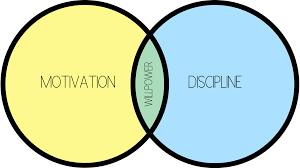
Motivation can be tricky. It comes and goes. Relying on it alone is a mistake.
That’s where discipline and habit come in. You need to create systems that help you keep going, even when you don’t feel like it. This might mean setting aside a specific time each day for your task.
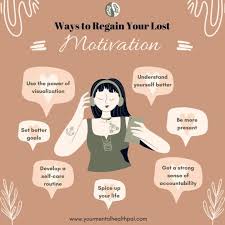
It might mean telling a friend about your goal so you feel accountable. It might mean creating a reward system for yourself. When you hit a milestone, give yourself a small treat.
Visualizing success can also help. Imagine yourself completing the task. How does it feel?
What are the benefits? Keep this vision in mind. It can be a powerful motivator.
Surround yourself with positive influences. Talk to people who encourage you. Read inspiring stories.
Avoid people who constantly bring you down or tell you things are impossible. Your environment matters a lot. It can either fuel your drive or drain it.
Momentum Builders
Start Small: Make the first step very easy.
Routine: Set a regular time for the task.
Accountability: Share your goals with someone.
Rewards: Celebrate small wins.
Visualize: Picture yourself succeeding.
The Role of Support and Accountability
You don’t have to do hard things alone. Asking for help is a sign of strength, not weakness. Who can support you?
It might be a friend, a family member, a mentor, or a colleague. Let them know what you’re trying to achieve. They can offer encouragement.
They can listen when you’re struggling. They can provide a different perspective. Sometimes, just talking through a problem can unlock a solution.
Accountability is also crucial. This means having someone or something that helps you stick to your plan. For some people, this is a coach or a therapist.
For others, it’s joining a group with similar goals. Even a simple check-in with a friend once a week can make a big difference. You agree to tell them how you’re doing.
This makes you more likely to follow through because you know someone is expecting an update.
Consider finding a “buddy” for your hard task. You can work on your individual goals, but check in with each other. Share your small wins.
Share your challenges. Offer each other advice. This shared journey can make the process less lonely and more motivating.
Remember, everyone faces hard things. Sharing your struggles can also help others realize they are not alone. It creates a community of support.
Learning and Adapting
Things rarely go exactly as planned. That’s okay. The ability to learn and adapt is a key skill for doing hard things.
When a step doesn’t work, don’t see it as a failure. See it as feedback. What did you learn from that attempt?
What could you do differently next time? This mindset shift is powerful. It turns setbacks into opportunities for growth.
Sometimes, you might need to adjust your plan entirely. Maybe the path you thought was best isn’t working. Maybe a new opportunity or challenge has come up.
Be flexible. Be willing to change course. This doesn’t mean you’re giving up on your goal.
It means you’re being smart about how you get there. Think of it like a GPS. If you take a wrong turn, it recalculates the route.
It doesn’t tell you to stop driving. It finds a new way to your destination.
Keep a journal of your journey. Write down what works and what doesn’t. Note down your successes, no matter how small.
Also, record your challenges. This record will be invaluable. You can look back on it to see how far you’ve come.
You can identify patterns in your own behavior. You can learn what strategies are most effective for you. This self-awareness is a superpower when it comes to tackling any hard thing.
Adaptation Toolkit
Flexibility: Be ready to change your plan.
Feedback Loop: See mistakes as lessons.
Journaling: Track progress and challenges.
Problem-Solving: Ask “What else can I try?”
When Is It Okay to Stop?
While perseverance is important, so is knowing when to change direction or pause. Not all hard things are worth pushing through indefinitely. Sometimes, a goal might be unrealistic due to circumstances beyond your control.
Or perhaps, continuing down a certain path is genuinely harmful to your well-being. It’s important to listen to your intuition. If something feels consistently wrong or damaging, it’s worth re-evaluating.
Consider the cost. Is the energy and sacrifice required to achieve this goal worth the potential reward? This isn’t about being lazy; it’s about making wise choices about where to invest your limited time and energy.
Sometimes, a hard thing isn’t aligned with your core values or long-term vision. In such cases, gracefully letting go can be the strongest decision.
It’s also different from giving up due to fear. Stopping because a task is genuinely not serving you or is causing significant harm is a form of self-care. It requires courage and self-awareness to make that call.
If you decide to stop, do so consciously. Reflect on what you learned from the experience. This way, even stopping can be a step forward in your personal growth journey.
Quick Wins to Build Confidence
When facing a big, hard thing, it’s easy to feel discouraged. That’s why small, quick wins are so valuable. These are tasks that are easy to complete and give you a sense of accomplishment.
They don’t have to be directly related to your main goal, but they build your confidence and momentum.
For example, if you’re working on a massive report, a quick win might be organizing your desktop files. It’s a small task, but you can finish it quickly. You get that satisfying checkmark.
You feel like you’ve accomplished something. This positive feeling can carry over to the bigger, harder task. It reminds you that you can complete things.
Another idea is to do something you’re already good at. This could be anything from making a perfect cup of coffee to solving a quick puzzle. It boosts your belief in your own abilities.
It shows your brain that you are capable. These small victories are like stepping stones. They lead you toward tackling the bigger challenges.
They prove that you have the capacity to achieve results. They build that inner belief that “I can do this.”
Quick Win Ideas
Tidy a small space: Your desk, a drawer, your car.
Send a quick email: Reply to a simple message.
Make a healthy snack: Something easy and quick.
Water plants: A simple act of care.
Stretch for 5 minutes: A quick physical win.
Mindset Shifts for Tackling Challenges
Your mindset is everything when it comes to doing hard things. It’s how you think about the challenge. It’s how you think about yourself.
One crucial shift is moving from a fixed mindset to a growth mindset. A fixed mindset believes your abilities are set. You’re either good at something or you’re not.
A growth mindset believes your abilities can be developed through effort and learning.
If you have a fixed mindset, a hard task feels like a test of your intelligence or talent. If you struggle, you might think, “I’m just not smart enough for this.” With a growth mindset, you see the struggle as a chance to learn and get better. You think, “This is hard, so I need to try a different approach and learn more.” This perspective change is huge.
It makes you more resilient. It makes you more willing to keep trying.
Another mindset shift is to focus on progress, not perfection. Many people avoid hard things because they want to do them perfectly. But perfection is often unattainable and can lead to paralysis.
Instead, aim for “good enough.” Aim for progress. Celebrate making things better, even if they aren’t perfect. Every step forward, no matter how small, is a victory.
It moves you closer to your goal. This focus on progress is much more sustainable and encouraging.
The Long Game: Patience and Persistence
Doing hard things is often a marathon, not a sprint. It requires patience. You won’t see results overnight.
There will be days when you feel like you’re not getting anywhere. That’s when persistence becomes key. It’s about sticking with it, even when it’s tough.
It’s about believing that your efforts will eventually pay off, even if you can’t see the end yet.
Think of a gardener planting a seed. They don’t get a plant the next day. They water it, give it sunlight, and wait.
They are patient. They trust the process. They persist in caring for the plant.
Eventually, it grows. Your hard work is similar. It needs consistent care and time to bloom.
Don’t get discouraged by slow progress. Trust that your effort is building something. It’s laying a foundation.
It helps to remember why you started. Revisit your initial motivation. What was the big picture?
What were the benefits you hoped to achieve? Keeping your “why” in mind can fuel your persistence. It can give you the strength to push through difficult moments.
When you feel like quitting, ask yourself: “Is this worth giving up on?” Often, the answer is no. You’ve come too far. You’ve learned too much.
Keep going. You’re closer than you think.
Persistence Pillars
Long-Term View: Understand it takes time.
Consistent Effort: Keep working, even on tough days.
Remember Your ‘Why’: Stay connected to your motivation.
Celebrate Milestones: Acknowledge progress.
When to Seek Expert Help
There are times when a hard thing is truly beyond your individual capacity or expertise. This is when seeking professional help is the smart move. If your hard thing involves complex financial planning, consulting a financial advisor is wise.
If you’re dealing with significant legal issues, a lawyer is essential. If you’re struggling with mental health challenges, a therapist or counselor can provide invaluable support.
Don’t see this as a failure. It’s a strategic decision to bring in someone with specialized knowledge and experience. They have tools and insights you might not have.
They can navigate complex systems or provide objective guidance. For instance, if building a house is your hard thing, you wouldn’t try to do all the electrical wiring yourself unless you were a trained electrician. You’d hire one.
Recognizing when you need help is a sign of maturity and self-awareness. It ensures you approach the challenge effectively and safely. It also frees you up to focus on your own strengths while the expert handles theirs.
This collaborative approach can lead to better outcomes and less stress for you. It’s about building the right team for the job, whatever that job may be.
Final Thoughts on Embracing Difficulty
So, tackling hard things isn’t about having superpowers. It’s about having a smart approach. It’s about breaking things down, managing your fears, and taking consistent action.
It’s about being kind to yourself through the process. Every time you face a challenge and move forward, you grow stronger. You build confidence.
You prove to yourself what you are capable of. Don’t shy away from the hard things. Embrace them.
They are opportunities to learn, to grow, and to become the best version of yourself. You’ve got this. Just take it one step at a time.
Frequently Asked Questions About Doing Hard Things
What’s the first step when a task feels too hard?
The very first step is to acknowledge that it feels hard and that’s okay. Then, try to break the big task down into the smallest possible pieces. Focus on just the very next tiny action you can take.
How can I stop feeling so afraid of failing?
Try to reframe failure not as an endpoint, but as a learning opportunity. Ask yourself what you can learn from a mistake. Also, focus on the process of trying, rather than solely on the outcome. Celebrating small wins builds confidence and reduces fear over time.
What if I lose motivation halfway through a hard task?
Motivation comes and goes. That’s normal. When it dips, rely on discipline and habit. Remind yourself why you started. Break the task down even further if needed. Sometimes, just doing one small thing related to the task can restart your momentum.
Is it okay to ask for help on a difficult project?
Absolutely! Asking for help is a sign of strength and smarts, not weakness. It means you are committed to getting the task done well. Find someone who can offer support, advice, or expertise.
How do I know if I should keep pushing or if it’s time to stop?
Consider if the task is still aligned with your goals and values, and if the potential reward justifies the effort. If the task is causing significant harm to your well-being or is truly impossible due to external factors, it might be time to re-evaluate. Listen to your intuition.
How can small successes help with big, hard tasks?
Small successes, or “quick wins,” build confidence and momentum. They remind you that you are capable of completing tasks. This positive feeling can make it easier to tackle the larger, more daunting challenges. They act as stepping stones toward your bigger goal.