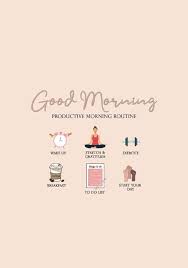
A great morning routine for motivation focuses on simple, repeatable actions that build energy and focus. It involves preparing your mind and body for the day ahead. This includes things like waking up gently, moving your body, fueling yourself well, and setting clear intentions.
The goal is to feel in control and ready for anything.
What is a Morning Routine for Motivation?
A morning routine for motivation is a set of planned actions you do each day when you first wake up. It’s not about being perfect. It’s about having a gentle structure.
This structure helps you feel good and ready for your day. It’s like a warm-up for your brain and body.
Think of it as creating a personal launchpad for your day. Instead of just reacting to whatever comes next, you’re actively setting the tone. You are choosing how you want to feel and what you want to focus on.
This can be super powerful. It helps you move forward with more energy and less stress.
Why Your Morning Routine Matters So Much
Your mornings set the stage for your entire day. If you start rushed and stressed, that feeling can stick with you. But if you start calm and in control, good things can happen.
You might find you have more focus. You might feel more positive. Your productivity can even go up.
Science actually backs this up. Our brains are more receptive in the morning. This is a great time to build good habits.
It’s also a good time to practice mindfulness. When you do this regularly, it can lead to long-term benefits. You build resilience.
You become better at handling challenges.
My Own Morning Motivation Struggle
I remember a time when my mornings were a complete mess. I’d hit snooze about five times. Then I’d leap out of bed, grab my phone, and scroll through emails.
I’d feel a rush of panic. Deadlines and tasks would flood my mind before I even had coffee. I felt behind before I even started.
One particular morning, I was already running late. I spilled coffee all over my shirt. My keys were nowhere to be found.
I felt that familiar knot of anxiety tighten in my stomach. I thought, “There has to be a better way.” It was then I decided to really rethink how I started my day. It was a small shift, but it made a big difference.
Key Elements of a Motivating Morning
Waking Up Gently: Avoid jarring alarms. Use soft light or gentle sounds. This helps your body wake up naturally.
Hydration: Drink a glass of water first thing. It helps rehydrate your body after sleep.
Movement: Even a few minutes of stretching or light exercise wakes up your muscles and mind.
Mindfulness: A moment of quiet, deep breathing, or meditation calms your thoughts.
Intention Setting: Think about one thing you want to achieve or how you want to feel today.
Understanding the Science Behind Morning Habits
Our bodies have something called a circadian rhythm. This is our internal clock. It tells us when to sleep and when to wake up.
When you wake up at a consistent time, you help regulate this clock. This makes it easier to fall asleep at night and wake up feeling refreshed.
The prefrontal cortex is the part of our brain that handles planning and decision-making. This area is often more active in the morning. This means your brain is in a great state for making choices and setting goals.
Using this time wisely can boost your effectiveness all day long.
My First Attempt at a New Morning
So, I decided to try a simple change. I set my alarm for just 15 minutes earlier. I put my phone across the room.
The first thing I did was drink a big glass of water. It felt weird at first. But after a few days, I noticed something.
I wasn’t as groggy. I felt a little more in control.
Then I added a few minutes of stretching. Nothing fancy, just some simple movements. This made my body feel less stiff.
It was a small start, but it was mine. I was choosing to do these things. It was a tiny win that felt huge.
Your Daily Wake-Up Checklist
1. Wake Up Naturally: Try to wake without a loud alarm if possible. Let light into your room.
2. Drink Water: Hydration is key to starting your systems.
3. Move Your Body: Gentle stretches or a short walk.
4. Breathe Deeply: Take 5-10 slow, deep breaths.
5. Think of One Good Thing: Focus on something positive, big or small.
The Power of Small Wins
The most important part of building a new routine is to start small. Don’t try to change everything at once. That’s a recipe for giving up.
Pick one or two simple things to do. When you succeed at those, you build confidence. This makes you more likely to add more later.
It’s like building with LEGOs. You start with a few basic bricks. Then you add more.
Soon you have a whole structure. Your motivation grows with each small success. You prove to yourself that you can do it.
This is incredibly empowering. It changes how you see yourself and your day.
What Happens When You Neglect Your Morning?
When you don’t have a good morning routine, mornings can feel chaotic. You might constantly feel like you’re playing catch-up. This can lead to stress and anxiety.
You might feel less productive. Your mood can also take a hit. You might feel more irritable or overwhelmed.
This feeling of being out of control can spread. You might find yourself procrastinating more. You might struggle to focus on important tasks.
It’s a slippery slope. But the good news is, you can stop it. A few simple changes can put you back in the driver’s seat.
Real-Life Morning Routine Examples
Many successful people talk about their morning routines. Oprah Winfrey wakes up early. She meditates and exercises.
Tim Cook, Apple CEO, wakes up at 4:00 AM. He exercises, checks emails, and reads the news. These are extreme examples, but the principle is the same: start your day with intention.
But it doesn’t have to be that intense. For some, it might be reading a few pages of a book. For others, it’s listening to a podcast while making breakfast.
The best routine is one that works for you. It’s not about copying someone else. It’s about creating what fuels your spirit and mind.
Quick-Scan Morning Routine Ideas
| Activity | Benefit | Time Needed |
|---|---|---|
| Drink Water | Hydration, Boosts Metabolism | 1 minute |
| Light Stretching | Wakes Muscles, Improves Flexibility | 5 minutes |
| Deep Breathing | Calms Mind, Reduces Stress | 3 minutes |
| Journaling (1 thought) | Clarifies Thoughts, Sets Focus | 5 minutes |
| Listen to Uplifting Music | Improves Mood | 10 minutes |
Crafting Your Personal Motivation Blueprint
To create your own routine, think about what makes you feel good. What energizes you? What calms you?
What helps you focus? Write down a list of activities you enjoy or find helpful.
Now, pick just one or two that are easy to start with. Maybe it’s drinking a glass of lemon water. Or maybe it’s just sitting quietly for five minutes.
Schedule it. Put it in your calendar like any other important appointment. Treat it with respect.
The Role of Physical Well-being
Your physical health plays a huge role in your motivation. How you treat your body in the morning directly impacts your energy levels. Drinking enough water is vital.
It helps your brain function better. It wakes up your digestive system.
Movement is also key. It doesn’t have to be a full workout. A few stretches can make a big difference.
Simple yoga poses can help. Even a short walk outside can clear your head. It gets your blood flowing and wakes up your senses.
This physical boost translates to mental clarity and drive.
Mind-Body Connection: Morning Edition
Label: Hydration
Note: Starting your day with water flushes out toxins and kickstarts your metabolism. It’s like giving your internal engine a clean start.
Label: Gentle Movement
Note: A few minutes of stretching or light activity increases blood flow to your brain, improving alertness and mood.
Label: Mindful Breathing
Note: Focusing on your breath anchors you in the present moment, reducing anxiety and preparing you for focused work.
Fueling Your Body for Success
What you eat for breakfast is important. Aim for a balanced meal. Include protein, healthy fats, and complex carbohydrates.
This provides sustained energy. It helps you avoid a mid-morning crash. Avoid sugary cereals or pastries.
Think about what your body needs to perform at its best. A good breakfast can set you up for a productive day. It keeps you from feeling hungry and distracted.
It’s a foundational step in setting a positive tone. You’re nourishing yourself for success.
Mental Preparation and Focus
Your mind needs preparation too. Many people find great benefit in quiet reflection. This could be meditation, deep breathing exercises, or simply sitting in silence.
It helps quiet the mental chatter. It allows you to focus your thoughts.
Setting intentions is also powerful. Before you dive into tasks, ask yourself: “What do I want to achieve today?” or “How do I want to show up today?” Write down one or two key goals. This gives your day direction.
It helps you prioritize what truly matters.
The Impact of Avoiding Digital Overload
One of the biggest challenges to a motivating morning is our phones. Checking emails or social media first thing can hijack your focus. It bombards you with other people’s priorities.
It can make you feel anxious or inadequate before you’ve even had a chance to think for yourself.
Try to keep your phone off or on airplane mode for the first 30-60 minutes of your day. This is a crucial period. Protect it.
Use this time for your own activities. This simple boundary can dramatically improve your morning energy and focus. It’s about taking back control of your attention.
My Digital Detox Morning Steps
Action: Keep phone out of reach.
Why: Prevents immediate distraction and anxiety.
Action: No email or social media for 60 minutes.
Why: Allows you to set your own agenda first.
Action: Focus on reading or journaling.
Why: Engages your mind positively and builds focus.
When to Worry: Signs Your Routine Isn’t Working
It’s important to listen to your body. If your routine is making you feel more stressed or tired, something needs to change. Are you waking up feeling dread?
Are you still groggy after an hour? Is it feeling like a chore you can’t wait to finish?
These are signs that your current approach isn’t right for you. A good routine should energize you. It should make you feel more prepared, not less.
Don’t force something that isn’t working. Be willing to adjust and try new things. Your well-being comes first.
Simple Checks for a Better Morning
Try these simple checks to see if your morning routine is on the right track:
- Do you feel more alert after your routine?
- Do you feel calmer or more in control?
- Are you able to focus better on your first tasks?
- Does it feel like a positive start, not a drag?
If the answer to most of these is yes, you’re on the right path! If not, it’s time to re-evaluate.
Quick Fixes for Morning Motivation Woes
If you’re struggling, try these quick adjustments:
- Shorten it: If your routine feels too long, cut it down. Even 10 minutes of something positive is better than nothing.
- Simplify it: Pick just ONE thing to focus on. Maybe it’s just drinking water. Master that first.
- Make it enjoyable: Add something you actually look forward to. Maybe it’s a favorite tea or listening to a good song.
- Prep the night before: Lay out your clothes. Pack your lunch. This removes morning friction.
Frequently Asked Questions About Morning Routines
What is the best time to wake up for a motivating morning?
There isn’t one “best” time for everyone. The key is consistency. Wake up at a time that allows you to complete your chosen routine without feeling rushed.
For many, waking up 30-60 minutes before they need to start their “day job” is ideal.
How long should a morning routine be?
It can be as short as 10 minutes or as long as an hour or more. Start with a short routine (15-20 minutes) and gradually add elements if you feel it benefits you. Consistency is more important than duration.
I’m not a morning person. Can I still have a good morning routine?
Absolutely! Being a “night owl” doesn’t mean you can’t have a motivating morning. Focus on making your wake-up as gentle as possible.
Gradually introduce small, positive habits. The goal is to feel better, not to force yourself into something unnatural.
What if I hit snooze? Should I start over?
Don’t beat yourself up about hitting snooze. It happens. If you do, acknowledge it without judgment.
Then, simply do what you can. Even if it’s just drinking a glass of water, that’s still a positive step. Every day is a new chance.
How do I stay motivated to stick with my routine?
Focus on how you feel after your routine. Notice the positive impacts it has on your day. Also, make it flexible.
If one day you can only do one thing, that’s okay. The habit is more important than perfection.
What are some quick, easy morning activities I can do?
Simple things include drinking water, stretching for 5 minutes, deep breathing for 3 minutes, writing down one positive thought, or listening to one uplifting song. These are easy to fit in even on busy days.
Putting it All Together
Building a morning routine for motivation is a journey. It’s about finding what works for you. It’s about being kind to yourself.
Start small. Add things gradually. Focus on how it makes you feel.
Your mornings can become a source of power, not stress. You’ve got this!