Building a consistent morning motivation routine involves simple, actionable steps that focus on mindset, physical well-being, and intentional activity. It’s about creating a positive buffer zone before the day’s demands begin, helping you feel more prepared and energized.
What Is a Morning Motivation Routine?
A morning motivation routine is a set of consistent actions you take each morning. These actions are designed to boost your energy. They also help clear your mind.
The goal is to set a positive tone for the rest of your day. It’s not about doing a lot of things. It’s about doing the right things for you.
Think of it like preparing your car before a long trip. You check the gas, oil, and tires. This makes sure the drive is smooth.
Your morning routine does the same for your day. It prepares your mind and body. It helps you feel ready for whatever comes next.
It’s about building a habit that serves you well.
Why is this so important? Our mornings set the stage. A rushed, unfocused start can lead to a stressful day.
A calm, intentional start can lead to a more productive and peaceful one. This routine is a tool. It helps you take control of your day from the very beginning.
My Own Morning Motivation Struggle
I remember one particularly tough winter. The alarm would go off, and it felt like a battle. I’d pull the covers tighter.
The thought of getting out of bed was just too much. My apartment was cold. My mind was already buzzing with worries about work.
I’d stumble into the kitchen, grab coffee, and stare blankly at my computer.
This cycle made me feel drained. By noon, I’d already feel like I was playing catch-up. I’d see others seeming so put-together.
They seemed to have this effortless energy. I wondered what their secret was. Was it just who they were?
Or was it something they did? This frustration pushed me to try something new.
One morning, I forced myself to get up 30 minutes earlier. I didn’t know what to do. So, I just sat by the window with my coffee.
I watched the sunrise. It was a small thing. But it felt different.
It was quiet. I wasn’t thinking about emails or deadlines. I was just… present.
That tiny shift started to make a difference.
Morning Routine: The Power of Small Steps
Why it matters: Even small consistent actions build momentum.
Focus on: Creating a positive mental and physical state.
Key takeaway: Don’t aim for perfection. Aim for consistency.
The Core Elements of a Motivation Routine
A good morning routine usually has a few key parts. These parts work together. They help you feel good.
They also help you get things done.
1. Hydration and Nutrition
When you wake up, your body needs water. You’ve gone hours without drinking. A glass of water can wake up your system.
It helps clear your head. After water, a good breakfast is important. It gives you energy.
It fuels your brain for the day ahead.
Try drinking water right after you get out of bed. You can add lemon for extra flavor. For breakfast, focus on protein and healthy fats.
This helps you feel full longer. It also keeps your energy steady. Avoid sugary cereals.
They can lead to a crash later.
2. Movement and Physical Activity
Your body needs to move. Gentle exercise can wake you up. It also releases feel-good chemicals.
These are called endorphins. You don’t need to run a marathon. Even a short walk or some stretching helps.
It gets your blood flowing. It makes you feel more awake.
Simple yoga poses are great. A quick walk around the block works too. You can also do some jumping jacks or push-ups.
The goal is to get your heart rate up a little. This wakes up your muscles. It prepares your body for the day’s tasks.
3. Mindfulness and Mental Clarity
Our minds can be noisy. Thoughts race about everything. Taking a few minutes for quiet is powerful.
You can meditate, pray, or just sit in silence. This helps calm your mind. It allows you to focus.
It reduces stress. You become more aware of your thoughts and feelings.
Even five minutes of deep breathing can make a difference. Focus on your breath going in and out. Don’t judge your thoughts.
Just notice them. Let them pass. This practice helps you feel more centered.
It gives you a sense of peace before the day starts.
4. Planning and Intention Setting
Knowing what you want to achieve helps. Before the day gets crazy, think about your goals. What are the most important tasks?
What do you want to accomplish today? Write down 1-3 key things. This gives you focus.
It makes your day more purposeful.
This doesn’t have to be a long process. A quick list on a notepad works. You can also just visualize your day.
See yourself completing your tasks. This mental preparation is key. It helps you stay on track.
It reduces feelings of being overwhelmed.
Quick Scan: Your Morning Toolkit
- Hydration: Glass of water upon waking.
- Nutrition: Balanced, energy-boosting breakfast.
- Movement: Light stretching or a short walk.
- Mindfulness: Quiet reflection or deep breathing.
- Planning: Identify 1-3 key tasks for the day.
Building Your Personal Motivation Routine
Your routine should fit you. What works for one person might not work for another. It’s about finding what makes you feel motivated.
It’s also about making it easy to stick to.
Understanding Your Motivation Triggers
Think about what makes you feel good. Do you love reading? Maybe a few pages in the morning is your thing.
Do you enjoy listening to uplifting music? Add that in. What activities leave you feeling energized and positive?
These are clues.
Consider your energy levels. Are you a morning person or more of a night owl? Even if you’re not a morning person, a routine can help.
It might mean starting smaller. Or it might mean adjusting the timing. The key is to be honest with yourself about your natural rhythm.
Starting Small and Being Realistic
Don’t try to overhaul your entire morning at once. Pick one or two small changes to start. Maybe it’s just drinking water.
Or perhaps it’s adding five minutes of stretching. Once that feels easy, add another small step.
Rome wasn’t built in a day. Your perfect routine won’t appear overnight either. Be patient with yourself.
Celebrate small wins. If you miss a day, don’t get discouraged. Just pick up where you left off the next day.
Consistency over perfection is the goal.
Making it Sustainable
For a routine to last, it needs to be enjoyable. It also needs to be practical. If your routine takes an hour and you only have 15 minutes, it won’t stick.
Make sure it fits into your current schedule.
Prepare as much as you can the night before. Lay out your clothes. Pack your lunch.
Have your water bottle ready. This removes many morning hurdles. It makes it easier to follow through.
Having your space ready can also be motivating.
Routine Builder: What’s Your Style?
The Quiet Observer: Prefers calm, reflective activities like journaling or meditation.
The Energizer: Needs physical movement to feel awake and motivated.
The Planner: Feels motivated by setting clear goals and organizing tasks.
The Creative: Benefits from activities that spark imagination, like reading or listening to music.
Mix and Match: Most people find a blend works best!
The Science Behind Morning Motivation
Our bodies have an internal clock. This is called the circadian rhythm. It controls our sleep-wake cycles.
It also affects our energy levels throughout the day. Waking up and doing similar activities at the same time each day helps regulate this rhythm.
Sunlight plays a big role. When light hits your eyes, it tells your brain it’s time to wake up. This helps suppress melatonin, a sleep hormone.
That’s why getting some light exposure early can be so effective. It signals your body to be alert.
The habits we build in the morning can create a positive feedback loop. When you start your day feeling good, you’re more likely to make good choices throughout the day. This can lead to more successes.
These successes then reinforce the positive feeling. It builds confidence and motivation.
Myth vs. Reality: Morning Routines
Myth: You need to wake up at 4 AM to be productive.
Reality: The best time to wake up is when it allows you to consistently implement your chosen routine.
Myth: A good routine has to be complicated.
Reality: Simple, consistent actions are often more effective than elaborate, hard-to-maintain ones.
Myth: If you miss a day, your whole routine is ruined.
Reality: Life happens. The key is to get back on track the next day without guilt.
Real-World Scenarios: Adapting Your Routine
Life isn’t always predictable. Sometimes, things throw your routine off course. That’s normal.
The trick is to adapt, not abandon.
For the Busy Parent
Mornings with kids can be chaotic. Your “me time” might be very short. Focus on integrating small, calming moments.
Maybe it’s sipping coffee in silence for three minutes before the kids wake. Or perhaps it’s a quick stretch while they eat breakfast.
The key is to find pockets of peace. You can also involve your kids in healthy habits. Make breakfast together.
Go for a short walk as a family. Even small shared activities can build positive morning energy for everyone.
For the Night Owl
If you’re naturally a night owl, forcing an early start can be tough. Experiment with slightly later wake-up times. Focus on quality over quantity.
Maybe your routine is only 15-20 minutes. Ensure those minutes are packed with motivating activities for you.
Consider how your evening routine impacts your morning. A relaxing evening can lead to better sleep. This can make waking up easier.
Focus on winding down well. This might be reading or listening to calm music before bed.
For the Traveler
Travel can disrupt your rhythm. Jet lag is real. When traveling, try to maintain some core elements.
If possible, wake up around the same local time. Get some sunlight exposure. Hydrate well.
Focus on one or two simple anchors.
Don’t stress too much about perfection. The goal is to feel as good as you can. Once you return home, ease back into your regular routine.
It might take a day or two. That’s perfectly okay.
Scenario Snapshot: Adapting Your Morning
Parents: Find 3-5 minute pockets of calm. Involve kids in healthy habits.
Night Owls: Prioritize quality over quantity. Focus on a shorter, effective routine. Improve evening wind-down.
Travelers: Maintain essential elements like hydration and light exposure. Ease back into routine upon return.
What This Means for You
Building a morning motivation routine isn’t about adding more pressure. It’s about creating a supportive structure. It helps you start your day feeling capable and energized.
When It’s Normal to Struggle
It’s completely normal to have days when sticking to a routine feels hard. Life throws curveballs. You might be tired, stressed, or unwell.
On these days, aim for the absolute basics. Drink water. Take a few deep breaths.
That’s enough.
Don’t let one off day turn into a week. Recognize that it’s a phase. Gentle self-compassion is key.
Think of it as resting your routine, not abandoning it. The motivation will return.
When to Re-evaluate Your Routine
If your routine consistently feels like a chore, it’s time to adjust. Maybe it’s too long. Perhaps the activities don’t truly energize you.
Or maybe your life circumstances have changed.
Take time to reflect. What isn’t working? What do you wish you could add?
Be honest. Your routine should evolve with you. It’s a tool for your well-being, not a rigid rulebook.
Simple Checks for Motivation
Before you even start your day, ask yourself: “What is one thing I’m looking forward to today?” It could be a cup of tea, a chat with a friend, or a break to read. Having something positive to anticipate can boost your mood.
Also, check in with your energy levels. Are you feeling drained? You might need more sleep, better nutrition, or less stress.
Your routine should support your energy, not deplete it. Pay attention to how you feel after your morning activities.
Your Daily Check-in
Energy Level: On a scale of 1-5, how energized do you feel?
Mood: What’s your dominant emotion right now?
Anticipation: What’s one small thing you’re looking forward to?
Routine Alignment: Does your current morning routine support these feelings?
Quick Tips for Boosting Morning Motivation
Here are some easy ways to make your mornings more motivating:
- Prepare the night before: Lay out clothes, pack lunch, set out your coffee maker.
- Limit screen time: Avoid checking email or social media first thing.
- Listen to something positive: Uplifting music, a motivating podcast, or an audiobook.
- Get some fresh air: Open a window or step outside for a few minutes.
- Journal your thoughts: Write down worries or gratitudes to clear your head.
- Drink your water warm: Some people find warm water more soothing.
- Have a special morning mug: A favorite mug can make even a simple drink feel special.
- Make your bed: A small win right at the start of the day.
These small actions add up. They create a positive cascade. They help you feel more in control.
They make the start of your day more enjoyable.
Frequently Asked Questions About Morning Motivation
What if I’m not a morning person at all?
It’s okay! You don’t have to become a super early riser. Focus on making your wake-up time as pleasant as possible.
Try to wake up only slightly earlier than you need to. Then, implement just one or two simple, enjoyable activities. Light exposure and a glass of water can help your body adjust.
How long should a morning routine take?
It varies greatly! Some people thrive with a 15-minute routine. Others prefer an hour.
The key is that it’s sustainable for you. Start small, perhaps 10-20 minutes. You can always add more later if you find you have the time and desire.
Can I really build motivation from scratch?
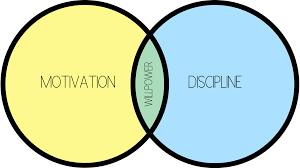
Absolutely. Motivation often follows action, not the other way around. By establishing a consistent routine, you create the conditions for motivation to grow.
The small wins from sticking to your plan build confidence. This, in turn, fuels more motivation. It’s a cycle you can build.
What’s the most important part of a morning routine?
The most important part is consistency. Whatever you choose to do, doing it regularly is what makes it effective. Many people find that starting with hydration and a moment of quiet reflection are highly impactful.
But ultimately, it’s what you stick with that matters.
How do I avoid distractions like my phone?
Designate your phone as the last thing you interact with. Keep it on airplane mode or out of reach until you’ve completed your core routine. You can set an alarm on a separate, simple clock.
This removes the temptation to scroll.
What if I feel tired and groggy even after my routine?
This can happen. It might mean your routine isn’t quite right for you, or you need more sleep. Consider if your activities are too intense too early.
Maybe you need a more calming start. Also, evaluate your sleep hygiene. Ensure you’re getting 7-9 hours of quality sleep each night.
Finding Your Morning Spark
Creating a morning motivation routine is a journey. It’s about self-discovery. It’s about building habits that serve you.
Start simple. Be kind to yourself. Your mornings can become a highlight of your day.
They can provide the energy and focus you need.
Embrace the power of consistent, small actions. Your future self will thank you. Discover what makes you feel alive and ready to take on the world, one morning at a time.
It truly is possible to make your mornings something to look forward to.