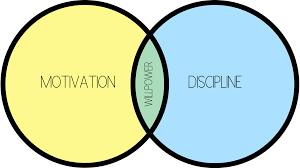
Motivation and willpower are different. Motivation is the desire to do something. Willpower is the ability to do it, even when you don’t feel like it. Most lasting changes rely more on building good habits and systems than on pure willpower or motivation.
What Are Motivation and Willpower?
Let’s break down these two terms. They sound similar, but they work very differently. Think of them as two tools in your personal change toolkit.
Each has its own job and its own limits.
Motivation: The Spark
Motivation is what gets you started. It’s that inner drive or desire to achieve a goal. It often comes from wanting something good to happen or wanting to avoid something bad.
You feel motivated when you’re excited about a new idea. You might feel motivated by seeing someone else succeed. Or, you might feel motivated because you want to feel better about yourself.
Motivation can be a powerful force. It can push you to take the first step. It can make difficult tasks seem less daunting, at least for a while.
Think about starting a new diet. You see amazing before-and-after photos. You imagine yourself looking and feeling great.
That’s your motivation at work. It’s that internal feeling that says, “Yes! I can do this!”
However, motivation is also often unreliable. It’s like a mood. It can be high one day and very low the next.
What makes you feel excited today might feel like a chore tomorrow. Many things can affect your motivation. Stress, lack of sleep, or even just a bad day can drain it away.
Relying only on motivation is like building a house on sand. It can be swept away by the next strong wind.
Willpower: The Engine
Willpower is different. It’s the strength you use to resist temptation. It’s also the strength you use to do things that are hard or unpleasant.
Willpower is about self-control. It’s about making the choice to do what you know is right, even when your feelings tell you to do something else. It’s the muscle that keeps you going when motivation has packed its bags.
Imagine you’re trying to eat healthy. You have a craving for sweets. Your motivation to eat healthy might be strong.
But if you see a tempting dessert, your willpower is what helps you say “no.” It’s the force that helps you get out of bed for an early workout when you’d rather sleep. It’s the power to finish that report when you’d rather watch TV.
Here’s the tricky part about willpower: it’s a finite resource. Think of it like a battery. You start the day with a full charge.
Every time you make a difficult choice, resist a temptation, or push through a tough task, you use up some of that energy. By the end of the day, your willpower “battery” might be low. This is why it’s often harder to resist temptations or make good choices in the evening.
The Connection and the Conflict
Motivation and willpower often work together, but they can also be in conflict. When you’re highly motivated, your willpower seems to work better. The tasks don’t feel as hard.
The temptations aren’t as strong. It’s like having a tailwind. Everything feels easier.
But what happens when motivation dips? That’s when you truly need willpower. If your willpower reserves are also low, you’re in trouble.
This is a common pattern for many people trying to make changes. They start with high motivation. They feel strong.
But as motivation fades, they rely on willpower. And if their willpower is depleted, they give up. They might then think, “I just don’t have enough willpower.”
This can lead to a cycle of trying and failing. You feel bad about yourself. You might even feel guilty.
You think you’re weak or lazy. But often, it’s not about a lack of personal strength. It’s about relying on the wrong strategies.
It’s about misunderstanding how these internal forces really work.
Motivation vs. Willpower: At a Glance
Motivation:
- The desire to do something.
- Comes from excitement, goals, rewards.
- Can be strong but is often temporary.
- Influenced by feelings and external factors.
- Good for starting.
Willpower:
- The strength to act despite feelings.
- Comes from self-control and discipline.
- Is a limited resource.
- Can be depleted by stress and choices.
- Good for continuing and resisting.
My Own Struggle: The Temptation of the Late-Night Snack
I remember this one period, a few years ago. I was really trying to cut down on sugar. My goal was to feel more energetic and maybe lose a few pounds.
I was so fired up! I bought all these healthy snacks. I planned my meals.
I felt great. For the first week, it was easy. I felt proud of myself every time I chose an apple over cookies.
My motivation was soaring.
Then, life happened. A stressful day at work. A minor argument with a friend.
Suddenly, I was tired and feeling a bit down. The healthy snacks in my pantry seemed bland. The image of a chocolate bar in the corner store started to pop into my head.
My motivation was taking a nosedive. I knew I shouldn’t eat the sweets. I had committed to my goal.
But the craving was intense. It was like a little voice in my head whispering sweet nothings.
That night, I found myself standing in front of the open refrigerator, staring at a leftover slice of cake. My willpower felt incredibly weak. I had made so many small “hard” choices that day – pushing through tough tasks, being patient with a difficult colleague.
My internal “battery” was almost dead. I ended up eating the cake. I felt so disappointed in myself.
I thought, “See? You’re not strong enough. You’ll never change.” It was a frustrating, demoralizing moment.
That experience really showed me that relying on my willpower when I was tired and unmotivated was a losing game.
Why Motivation and Willpower Alone Are Not Enough
The biggest mistake people make is thinking that just having enough motivation or willpower is the answer. This is a common trap. It leads to cycles of intense effort followed by burnout and disappointment.
Here’s why relying too heavily on these two can be problematic:
Motivation is fleeting. As we’ve talked about, feelings change. What inspires you today might not inspire you tomorrow. Life throws curveballs.
Your energy levels fluctuate. Expecting your motivation to be a constant companion is unrealistic. It’s a spark, not a steady flame.
You can’t depend on it to light your way all the time.
Willpower is limited. Your self-control isn’t infinite. Every decision, every moment of restraint, drains it. Trying to constantly exert willpower is exhausting.
It’s like trying to hold your breath for a very long time. Eventually, you have to let go. Pushing your willpower too hard often leads to making the very choices you were trying to avoid.
This is often seen in people who try to stick to extremely strict diets. They might succeed for a while, but eventually, their willpower breaks, leading to overeating.
It leads to a “boom and bust” cycle. You feel highly motivated. You go all out. You use a ton of willpower.
Then, you crash. Your motivation vanishes. Your willpower is gone.
You give up. Then, you feel guilty. You might decide to try again later, starting from zero.
This cycle is exhausting and rarely leads to lasting change.
It ignores the power of environment and habits. Simply trying harder doesn’t always work if your surroundings or your ingrained behaviors are working against you. If you’re trying to avoid junk food, but your kitchen is always stocked with it, you’re fighting an uphill battle. Your willpower will be tested constantly, and it will likely fail.
The Pitfalls of Relying on Grit Alone
Problem: Relying only on motivation and willpower.
Why it fails:
- Motivation wavers: Feelings change, life happens.
- Willpower depletes: It’s a finite mental energy source.
- Exhaustion: Constant effort leads to burnout.
- Missed opportunities: Ignores environmental and habit factors.
Result: “Boom and bust” cycles, frustration, and slow progress.
The Real Secret: Building Systems and Habits
So, if motivation and willpower aren’t the whole story, what is? The answer lies in building strong systems and consistent habits. This is where lasting change actually happens.
It’s about making the desired behavior the easy, automatic choice. It’s about working with your nature, not against it.
What Are Systems?
A system is a set of processes or rules you put in place to help you achieve your goals. It’s about designing your environment and your routines so that success is more likely. Systems reduce the need for constant motivation and willpower.
They make the “right” choice the default choice.
For example, if your goal is to save money, a system could be automatically transferring a certain amount from your checking account to your savings account every payday. You don’t have to think about saving or feel motivated to do it. The system does it for you.
It’s a set-it-and-forget-it approach.
Another system for fitness could be laying out your gym clothes the night before. When you wake up, they’re right there. It removes a small but significant barrier to getting started.
You still need a little push, but it’s much less than if you had to find your clothes and decide what to wear.
What Are Habits?
Habits are actions you perform automatically, without much thought. They are deeply ingrained behaviors. Good habits are the building blocks of success.
Bad habits can hold you back. Habits are formed through repetition. The more you do something, the more automatic it becomes.
This is why habits are so powerful. They require very little willpower or motivation once they are established.
Think about brushing your teeth. For most people, it’s a habit. You do it every morning and night without much effort.
You don’t need to psych yourself up or find extra willpower. It’s just something you do. The goal is to turn your desired behaviors into habits.
Habits don’t happen overnight. They take time and consistent effort. But once a habit is formed, it becomes a powerful force for change.
It means you can achieve your goals without constantly feeling like you’re fighting yourself.
Systems vs. Habits: The Difference
Systems:
- Processes and structures you create.
- Design your environment for success.
- Reduce reliance on internal drive.
- Example: Automatic savings transfers.
Habits:
- Automatic behaviors performed without much thought.
- Formed through repetition.
- Require little to no willpower once established.
- Example: Brushing teeth daily.
Both work together for lasting change.
How to Build Effective Systems
Building systems is about being smart with your choices. It’s about setting yourself up for success before you even need to use your willpower. Here are some ways to create effective systems:
1. Automate Whenever Possible
As mentioned with saving money, automation is your best friend. Set up automatic payments for bills. Schedule regular transfers to your savings or investment accounts.
If you want to drink more water, buy a water filter pitcher and keep it full in the fridge. The less you have to actively decide, the better.
2. Design Your Environment
Make the good choices easy and the bad choices hard. If you want to eat more fruits and vegetables, keep them visible and ready to eat. Wash grapes, cut up melon, and put them in clear containers in the fridge.
Hide the junk food. Put it in a place that’s inconvenient to get to, like the back of a high cupboard.
For fitness, put your workout gear by your bed. If you want to read more, keep a book on your nightstand. If you want to spend less time on social media, delete the apps from your phone or set time limits within the app settings.
3. Create Pre-Commitments
A pre-commitment is a decision made in advance that locks you into a certain course of action. It’s a way to protect your future self from bad decisions. For example, you can pre-commit to not buying snacks by telling yourself you’re not allowed to bring cash on certain days.
Or, you can sign up for a fitness class that requires payment if you miss it. This commitment makes it harder to back out later.
4. Simplify Your Choices
The fewer decisions you have to make, the less mental energy you use. Try to simplify common choices. Plan your meals for the week.
Lay out your outfits for the next day. This removes decision fatigue. Decision fatigue is a real thing.
It’s when making many decisions drains your mental energy, making it harder to make good choices later on.
Quick System-Building Tips
- Automate: Set up recurring tasks and transfers.
- Environment Design: Make good options visible, bad options hidden.
- Pre-Commit: Make decisions now that bind your future self.
- Simplify: Reduce the number of daily decisions.
How to Build Powerful Habits
Habits are the engine of long-term success. They make progress feel effortless. Building habits is a skill.
It takes practice, but it’s incredibly rewarding. Here’s a look at how habits work and how you can build them.
The Habit Loop
Charles Duhigg, in his book “The Power of Habit,” breaks habits down into a three-part loop: cue, routine, and reward. Understanding this loop is crucial for building new habits or changing old ones.
Cue: This is the trigger that tells your brain to go into automatic mode. It can be a time of day, a place, a feeling, or a certain person. For example, feeling bored might be a cue to check social media.
Routine: This is the behavior itself, the action you take. It’s the habit you perform. In the social media example, the routine is opening the app and scrolling.
Reward: This is what you get from the routine. It’s the payoff that makes your brain want to remember the habit. The reward for social media can be a sense of connection, distraction, or entertainment.
This reward reinforces the loop.
Strategies for Habit Formation
To build a new habit, you need to create a clear cue, a desirable routine, and a satisfying reward. To break a bad habit, you need to identify the cue and reward and change the routine.
1. Start Small
This is perhaps the most important rule. Don’t try to change too much at once. If you want to start exercising, don’t aim for an hour every day.
Start with five minutes. If you want to read more, aim for one page. The goal is consistency, not intensity.
Small wins build momentum.
A classic example is the “two-minute rule.” If a habit can be done in two minutes or less, you should do it. Want to start meditating? Meditate for two minutes.
Want to start exercising? Do two minutes of stretching. This makes starting incredibly easy.
2. Make it Obvious
Your cues need to be clear and easy to notice. If you want to drink more water, keep a water bottle on your desk. If you want to practice an instrument, leave it out where you can see it.
The easier it is to remember, the more likely you are to do it.
3. Make it Attractive
You need to make the habit something you want to do, not something you have to do. Pair the habit with something you enjoy. For example, if you want to listen to a podcast while you exercise, only allow yourself to listen to that podcast during your workout.
This creates a positive association.
4. Make it Easy
This goes back to systems and environmental design. Remove as many obstacles as possible. If you want to go for a run, lay out your clothes and shoes the night before.
If you want to eat healthier, pre-chop your vegetables. The easier it is to perform the habit, the more likely you are to stick with it.
5. Make it Satisfying
The reward needs to be immediate and feel good. While long-term rewards like health or wealth are great, they are often too far away to be motivating. Find ways to give yourself small, immediate rewards for sticking with the habit.
This could be a small treat, a moment of relaxation, or simply tracking your progress and acknowledging your success.
Tracking your habits is a powerful way to make them satisfying. Use a habit tracker app or a simple calendar. Crossing off a day or marking a streak provides a visual sense of accomplishment.
This reinforces the habit loop.
The 5 Laws of Habit Formation
Based on James Clear’s “Atomic Habits”:
- 1. Make it Obvious: Use clear cues.
- 2. Make it Attractive: Pair with enjoyment.
- 3. Make it Easy: Reduce friction and obstacles.
- 4. Make it Satisfying: Provide immediate rewards.
- 5. Make it Stick: Reinforce through repetition and tracking.
Real-World Context: The Morning Routine Revolution
Many people struggle with feeling productive and energized throughout the day. Often, the solution isn’t more motivation or willpower. It’s about building a powerful morning routine.
This routine acts as both a system and a set of habits that sets the tone for everything that follows.
Think about this common scenario: You hit snooze multiple times. You rush out of bed, grab coffee, and maybe a donut. You check your phone frantically.
You arrive at work feeling already behind and stressed. Your motivation is low, and your willpower is drained before the day has even properly begun.
Now, consider a different morning. You wake up a little earlier. You drink a glass of water.
You do 10 minutes of light stretching or meditation. You spend five minutes planning your top three priorities for the day. You eat a healthy breakfast.
You arrive at work calm, focused, and ready to tackle your tasks.
This second scenario isn’t about superhuman willpower. It’s about a well-designed morning system. The alarm is set at a consistent time (cue).
Getting out of bed and doing a few simple actions (routine) leads to feeling calmer and more in control (reward). The environment is set up for success – clothes are laid out, healthy breakfast items are accessible.
Many successful people swear by their morning routines. It’s not because they are inherently more motivated or have endless willpower. It’s because they have intentionally designed their mornings to work for them.
They’ve created habits that support their goals. This makes the rest of their day much easier. They aren’t fighting their own biology or environment; they’re working with them.
What This Means For You: Shifting Your Focus
The main takeaway is to shift your focus from relying on fleeting feelings to building reliable structures. It’s a subtle but profound change in approach.
When It’s Normal to Rely on Motivation/Willpower
It’s okay to use motivation and willpower for new, exciting, or unexpected challenges. When you’re trying something brand new, like a spontaneous weekend trip or an urgent project, your initial excitement (motivation) will be your primary driver. You’ll use willpower to push through unexpected obstacles.
This is normal and expected.
Motivation is also great for starting something fun. If you’re excited about a new hobby, your motivation will carry you through the initial learning curve. Willpower might be needed if you hit a plateau, but the initial joy is fueled by motivation.
When to Worry (and What to Do)
You should worry if you’re constantly trying to force yourself through tasks using only willpower and motivation. If you feel perpetually drained, frustrated, or like you’re always fighting yourself, it’s a sign your current strategy isn’t working.
What to do: Instead of trying to “be stronger,” focus on building systems and habits. Ask yourself:
- How can I make this easier?
- How can I automate this?
- What cues can I set up?
- What small, consistent steps can I take?
For example, if you struggle to go to the gym, don’t just tell yourself to “find the motivation.” Instead, ask: “How can I make going to the gym easier?” Maybe it’s joining a gym close to home. Maybe it’s packing your bag the night before. Maybe it’s scheduling it like an important appointment.
Simple Checks for Your Habits and Systems
Periodically, take a moment to check in with your routines. Ask yourself:
- Are my systems still serving me?
- Are my habits helping me move forward, or are they holding me back?
- Am I making things too hard for myself?
- Where can I remove a decision or a barrier?
It’s like tuning up a car. Your systems and habits need occasional maintenance to keep running smoothly. Don’t let them become rusty because you’re too busy trying to power through.
Quick Tips for Building Lasting Change
Here are some actionable tips to help you move from a motivation/willpower focus to a systems/habits focus.
- Identify Your Triggers: What sets off unwanted behaviors or makes you feel unmotivated?
- Design Your Space: Arrange your home and workspace to support your goals.
- Stack Your Habits: Link a new habit to an existing one. For example, “After I brush my teeth (existing habit), I will do 10 squats (new habit).”
- Plan for Failure: Know that you won’t be perfect. Have a plan for what you’ll do when you slip up. Don’t let one mistake derail your entire effort. Just get back on track at the next opportunity.
- Celebrate Small Wins: Acknowledge your progress, no matter how small. This reinforces positive behavior.
- Be Patient: Lasting change takes time. Don’t get discouraged if you don’t see results immediately. Focus on the process, not just the outcome.
- Seek Accountability: Share your goals with a friend, family member, or coach. Knowing someone else is aware of your efforts can be a great motivator and keep you on track.
Habit Stacking Example
Goal: Drink more water.
Existing Habit: Making breakfast.
New Habit: Drink a glass of water.
Habit Stacked Action: “After I start making my breakfast, I will drink a full glass of water.”
This makes the new habit obvious and easy to remember.
Frequently Asked Questions
Is it bad to rely on motivation?
It’s not inherently “bad” to rely on motivation, but it’s not a reliable strategy for long-term change. Motivation is a great starting point and a helpful boost, but it fluctuates. Over-reliance can lead to inconsistency and disappointment when motivation inevitably fades.
It’s better to use motivation to build systems and habits that will carry you forward when motivation is low.
Can willpower be increased?
While willpower is a limited resource, you can strengthen your capacity to use it effectively. Think of it like a muscle: it can be trained. However, the most effective approach is not to constantly push its limits, but to conserve it.
This means building strong systems and habits that reduce the number of times you need to exert willpower in the first place.
What’s the difference between a goal and a system?
A goal is an outcome you want to achieve, like “lose 10 pounds.” A system is a process that helps you achieve that outcome, like “eating a healthy dinner every night” or “exercising three times a week.” Goals are about the destination, while systems are about the journey. Focusing on building good systems is often more effective for achieving goals than just focusing on the goals themselves.
How long does it take to form a habit?
There’s a common myth that it takes 21 days to form a habit. While some habits can be formed quickly, the reality is that it varies greatly from person to person and habit to habit. It can take anywhere from 18 to 254 days for a new behavior to become automatic.
The key is consistency, not a specific number of days. Small, consistent efforts over time are what build lasting habits.
Is it better to have more motivation or more willpower?
Neither is inherently “better.” They serve different purposes. Motivation gets you started, and willpower helps you push through difficulties. However, for long-term, sustainable change, neither is as powerful as well-established habits and effective systems.
These reduce the need for both motivation and willpower, making progress feel more effortless and consistent.
How do I break a bad habit without feeling deprived?
The best way to break a bad habit without feeling deprived is to
Conclusion
Understanding the difference between motivation and willpower is a game-changer. While they are useful tools, relying on them alone for lasting change is a recipe for frustration. The true path to achieving your goals lies in building robust systems and consistent habits.
By designing your environment, automating actions, and making desired behaviors easy and rewarding, you create a path where success is the default. This approach frees you from the rollercoaster of feelings and empowers you to build a life you love, one small, consistent step at a time.