Let’s dive into what might be behind this feeling. We’ll break down the common causes. We’ll also look at how this lack of drive shows up. And most importantly, we’ll explore gentle, practical steps you can take. You’ll learn to understand this feeling better. You’ll also find ways to bring back your spark.
Lack of motivation often stems from a mix of physical, mental, and environmental factors. It can be a sign your body or mind needs something. Understanding these root causes is the first step to finding sustainable energy and drive. This guide explores those reasons and offers insights to help you move forward.
Understanding the Roots of Low Motivation
So, why does motivation sometimes just vanish? It’s rarely one single thing. It’s usually a blend of different elements. Think of it like a puzzle with many pieces. Each piece plays a part in how you feel.
Our bodies and minds are complex. They react to what’s happening around us. They also react to what’s happening inside us. When things aren’t balanced, motivation can take a hit. It’s like a car running on fumes. It just can’t go as far or as fast.
It’s Not Just “Laziness” – Exploring the Real Causes
First, let’s clear something up. Saying you “lack motivation” is often misunderstood. It’s not a moral failing. It’s not about being lazy. Laziness is choosing not to do something you could do. Lack of motivation is often an inability to start or continue doing things. There’s a big difference.
Many hidden factors can drain your drive. These range from not getting enough sleep to feeling overwhelmed. They can even be tied to deeper feelings like stress or sadness. Let’s look at some common culprits.
Physical Well-being Factors
- Sleep: Not enough quality sleep messes with your brain. It affects mood and energy.
- Nutrition: What you eat fuels you. Poor diet can lead to energy crashes.
- Hydration: Even mild dehydration can make you feel tired and foggy.
- Lack of Movement: Sitting too much can make you feel sluggish. Exercise actually boosts energy.
- Underlying Health Issues: Sometimes, fatigue and low mood are signs of medical conditions like anemia or thyroid problems.
These physical needs are fundamental. If they aren’t met, your whole system suffers. Motivation is often one of the first things to go when your body is out of sync.
I remember a time I was working on a big project. I was burning the candle at both ends. I thought I was being productive. But after a few weeks, I hit a wall. I couldn’t even bring myself to open my laptop. I felt completely drained. I realized I had been running on empty for too long. My body was screaming for a break and better care.
Mental and Emotional Health
- Stress: Chronic stress floods your body with cortisol. This can lead to burnout and apathy.
- Anxiety: Worrying constantly uses a lot of mental energy. It can make it hard to focus on tasks.
- Depression: A major symptom of depression is a loss of interest or pleasure in activities. This directly impacts motivation.
- Feeling Overwhelmed: Too many tasks or big goals can feel impossible. This leads to avoidance.
- Lack of Clear Goals: Not knowing what you’re working towards makes it hard to find the drive.
- Perfectionism: The fear of not doing something perfectly can stop you from starting at all.
Our minds are powerful. When they are burdened, our energy levels drop. It’s like trying to run a race with weights on your ankles. You might want to run, but it’s incredibly hard.
I once spoke with a client who felt this deeply. She had big dreams for her small business. But she was also caring for a sick parent. The constant worry and emotional toll left her feeling like she was wading through mud. Every task felt Herculean. She wasn’t lazy; her emotional reserves were simply depleted. Her motivation was a casualty of her circumstances.
Environmental and Lifestyle Factors
- Monotony: Doing the same thing every day without variation can become boring.
- Lack of Stimulation: Not having enough interesting things to engage with can dull your drive.
- Unsupportive Environment: Being around people who are negative or don’t encourage you can be draining.
- Clutter: A messy physical space can create a messy mental space. It feels overwhelming.
- Lack of Purpose: If you don’t feel your work or tasks have meaning, motivation is hard to find.
- Burnout: Prolonged stress and overwork can lead to complete exhaustion, killing motivation.
The world around us has a huge impact. Our surroundings can either energize us or drain us. Even small changes can make a big difference. Think about your workspace. Is it somewhere that inspires you? Or does it feel like a chore just to be there?
In my own home office, I used to have a desk piled high with papers. It was chaotic. I’d sit down to work, but I’d just feel a wave of stress. I couldn’t focus. Then, I spent a weekend decluttering. I organized my files and added a small plant. It was a simple change. But it made my space feel calmer. It actually made me want to sit down and get things done. The environment was no longer fighting against me.
Personal Experience: The Day My Drive Disappeared
I remember a specific Tuesday morning vividly. The sun was shining, birds were chirping – a perfect start, by all accounts. I had a list of important tasks for my freelance work. Tasks that I genuinely enjoyed and usually felt excited about. But that morning, something was different. I sat at my desk, a cup of coffee in hand, and just… stared.
My mind felt like a blank slate, or worse, a tangled mess of cobwebs. The usual eagerness was gone. Replaced by a heavy, dull feeling. I knew I should start writing, or strategizing, or reaching out to clients. My brain understood the logical steps. But my body and spirit refused to move. I felt a mild panic bubble up. Why couldn’t I just do it? This wasn’t like me. I was known for my energy and drive. This inertia felt alien and deeply frustrating.
I tried to force it. I opened a document. I typed a single word. Then I deleted it. I scrolled through emails. Nothing sparked interest. I felt a wave of annoyance at myself. Was I tired? Was I sick? Was I just… broken? The silence in my head, usually buzzing with ideas, was deafening. That day was a stark reminder that motivation isn’t a constant switch we can flip. It’s a delicate balance that needs care.
The Contrast Matrix: Normal vs. Concerning Motivation Dips
| Normal (Temporary) | Concerning (Persistent) |
|---|---|
| Occurs after a stressful event. | Lasts for weeks or months. |
| You can still do essential tasks. | You struggle with basic self-care. |
| There’s a clear, short-term reason (e.g., bad night’s sleep). | No obvious reason for the lack of drive. |
| Your interest in other things remains. | You lose interest in almost everything. |
It’s important to know the difference. A temporary dip is usually a sign to rest. A persistent lack of motivation might need more attention. Listening to your body and mind is key.
When Motivation Feels Like a Foreign Language
Sometimes, the feeling of lacking motivation is so profound, it feels like a different language. It’s not just about feeling a bit bored. It’s a deep-seated inertia. This can creep into various areas of your life.
Think about your daily routine. When you lack motivation, even simple things feel hard. Getting out of bed might be a battle. Taking a shower could feel like a major effort. These are basic self-care tasks. Their difficulty signals a significant drain on your internal resources.
Signs Your Motivation is Hiding
- Procrastination: You constantly put off tasks, even small ones.
- Fatigue: You feel tired all the time, even after resting.
- Irritability: Small things annoy you more than usual.
- Loss of Interest: Hobbies and activities you once loved no longer appeal to you.
- Difficulty Concentrating: Your mind wanders easily, making tasks take longer.
- Feeling Numb: You might not feel much emotion, either positive or negative.
- Self-Doubt: You question your abilities and your worth.
These signs are not weaknesses. They are signals. They tell you that something needs attention. It’s your internal system trying to communicate. It’s saying, “Hey, I need a change.”
I’ve seen this in people I mentor. They’ll talk about their career goals. They’ll have great ideas. But then they’ll describe feeling “stuck.” They can’t seem to take the first step. It’s not that they don’t want to succeed. It’s that the energy required feels unattainable. They are experiencing a deep lack of internal drive, often due to underlying stress or burnout.
Real-World Scenarios: Where Motivation Fades
Let’s paint a picture of how this lack of motivation shows up in everyday life. It’s not just about work. It touches relationships, personal goals, and general well-being.
At Home: The Unfinished Projects
Imagine a home where laundry piles up. Dishes sit in the sink longer than they should. That DIY project you started months ago is still in pieces. It’s not that the person doesn’t want a clean, organized space. It’s that the effort to get there feels too immense. Every chore requires a mental push that just isn’t there.
The design of the home can play a role too. If a space feels cluttered or uninspiring, it can dampen your mood and motivation. Simple things like better lighting or tidying up can help. But when motivation is low, even these small fixes can seem like too much.
At Work: The Productivity Plateau
In the workplace, this often looks like missed deadlines. Or tasks that take twice as long as they should. It can be avoiding challenging assignments. Or simply going through the motions without real engagement. People might feel like they’re just not “good enough” anymore.
This can be exacerbated by work environments that are unsupportive or overly demanding. When you’re constantly stressed or feel undervalued, your natural drive can be chipped away. It’s hard to feel motivated when you don’t feel appreciated or safe.
In Personal Life: The Fading Hobbies
Remember that hobby you were so passionate about? Maybe it was painting, playing a musical instrument, or hiking. When motivation wanes, these activities often get pushed aside. They become “things I used to do.” It’s a quiet sadness that settles in when the joy of these pursuits fades.
The user behavior here is simple: avoidance. When a task or activity feels too hard, the natural human tendency is to avoid it. This avoidance then fuels more feelings of guilt or shame, which further depletes motivation. It becomes a cycle.
Observational Flow: The Day-to-Day Impact
Morning: Struggle to get out of bed. Snooze multiple times. Feel groggy and unenthusiastic about the day ahead.
Work/Tasks: Difficulty starting. Distractions are highly appealing. Tasks take longer. Avoidance of difficult or new assignments.
Social Life: Decline invitations. Feel like you have nothing to say or contribute. Prefer to be alone.
Evening: Feel too tired for any meaningful activity. Watch TV passively. Go to bed early but still feel unrefreshed.
Weekend: Plans often fall through. Days feel unproductive. A sense of guilt or worry about the coming week.
What This Means for You: When to Pay Closer Attention
It’s normal to have days or even a week where your motivation is lower. Life happens. We have ups and downs. But there’s a point where a dip in motivation crosses over into something that might need more significant attention.
The key is persistence and impact. If your low motivation is a fleeting visitor, it’s likely a sign to rest and recharge. If it’s become a long-term roommate that’s disrupting your life, it’s time to get curious and seek support.
When It’s Just a Bad Day (or Two)
You had a rough night’s sleep. You had a stressful meeting. You’re feeling a bit under the weather. These are common, temporary reasons for a slump in motivation. You might find it harder to focus or feel less enthusiastic. But usually, after a good rest or a few days, your usual drive returns. You can still manage your essential responsibilities.
In these cases, a little self-compassion goes a long way. Don’t beat yourself up. Acknowledge you’re having an off day. Do the minimum required and plan for some downtime. This is often enough to bounce back.
When It’s Time to Worry (and Seek Help)
If the lack of motivation has been going on for two weeks or more, it’s time to pay closer attention. If it’s affecting your ability to function in daily life – like self-care, work, or relationships – it’s a serious signal. Especially if it’s accompanied by feelings of sadness, hopelessness, or a loss of interest in things you once loved.
This could be a sign of depression, burnout, or other mental health challenges. It could also indicate an underlying physical health issue that needs medical attention. The U.S. Department of Health and Human Services notes that persistent changes in mood and energy levels are important to discuss with a healthcare provider. It’s brave to ask for help when you need it.
Simple Checks You Can Do
- Track Your Sleep: Are you getting 7-9 hours of quality sleep?
- Review Your Diet: Are you eating balanced meals? Hydrating enough?
- Movement Check: Are you sitting for long periods? Can you add a short walk?
- Stress Level: How high is your daily stress? What can you do to lower it?
- Mood Tracker: Note your overall mood daily. Is it consistently low?
These simple checks can offer clues. They can guide you on what areas to focus on first. They are not a substitute for professional advice, but a starting point for self-awareness.
Gentle Ways to Rekindle Your Motivation
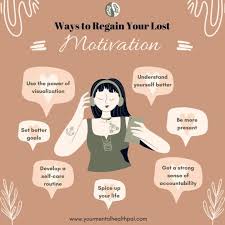
Okay, so you understand the common reasons and signs. Now, what can you actually do? The key is to start small and be kind to yourself. We’re not looking for a magic bullet, but sustainable shifts.
1. Start with the Basics: Body First
This is non-negotiable. Before you try complex strategies, ensure your foundational needs are met. Prioritize sleep. Drink enough water. Eat nourishing foods. Even a short walk can make a huge difference in energy levels and mood.
I often tell people: “Don’t try to run a marathon if you haven’t learned to walk yet.” Make sleep your top priority. Aim for consistency. Even 30 minutes more sleep can impact your entire day. Hydration is simple but powerful. Keep a water bottle nearby and sip throughout the day.
2. Break Down Tasks: The Power of Small Steps
If a task feels huge, it’s naturally intimidating. Break it into the smallest possible steps. For example, instead of “clean the kitchen,” try “clear the counter.” Then, “wash one dish.” Celebrate each tiny win. This builds momentum. It shows your brain that you can achieve things.
The “two-minute rule” is great here. If a task takes less than two minutes, do it immediately. This prevents small things from piling up. It also creates a sense of accomplishment. You start ticking things off your list.
Quick-Scan Table: Tackling Big Tasks
| Big Goal | Tiny First Step | Next Step |
|---|---|---|
| Write a report | Open a blank document. | Write the title. |
| Organize the garage | Take out one box. | Sort the items in that box. |
| Exercise for 30 minutes | Put on workout clothes. | Do 5 minutes of stretching. |
3. Connect with Your “Why”
Why do you want to do this task or achieve this goal? Connecting to the deeper purpose can fuel your drive. Is it to help others? To learn something new? To feel healthier? Reminding yourself of the benefit can make the effort feel more worthwhile.
Write down your “why.” Put it somewhere you can see it. When you feel your motivation slipping, reread it. This can help reframe the task from a chore to a step towards something meaningful.
4. Adjust Your Environment
Make your space work for you. Declutter your workspace. Add something that brings you joy, like a plant or a picture. If possible, change your scenery. Work from a different room or a coffee shop for a few hours. A fresh environment can spark new energy.
Even small changes, like opening a window for fresh air or playing some uplifting music, can shift your mindset. Our surroundings have a powerful impact on our feelings and our ability to get things done.
5. Seek Support and Connection
You don’t have to go through this alone. Talk to a friend, family member, or partner about how you’re feeling. Sometimes just voicing your struggles can lighten the load. Consider joining a group or finding an accountability partner. Having someone to check in with can be a great motivator.
If your low motivation is persistent or severe, please reach out to a mental health professional. Therapists and counselors are trained to help you explore these feelings and develop coping strategies. Organizations like the National Alliance on Mental Illness (NAMI) offer resources and support.
Milestones: Small Wins to Celebrate
- Successfully completing one small task.
- Getting out of bed on time.
- Drinking a full glass of water first thing.
- Doing 5 minutes of light stretching.
- Decluttering a small area (like your desk).
- Reaching out to a friend for a chat.
Every step forward counts. Acknowledge and celebrate these small victories. They build confidence and show your brain that progress is possible.
Frequently Asked Questions
What if I feel unmotivated for months?
If you’ve felt unmotivated for several months and it’s impacting your daily life, it’s important to seek professional help. This could be a sign of depression, burnout, or another underlying health condition. Talk to your doctor or a mental health professional. They can help identify the cause and create a treatment plan for you.
Can lack of motivation be a sign of a physical problem?
Yes, absolutely. Persistent fatigue and low motivation can be symptoms of various physical issues. These include anemia, thyroid problems, diabetes, and chronic fatigue syndrome. It’s always a good idea to see your doctor for a check-up if you experience these symptoms consistently, especially if other explanations don’t seem to fit.
How does stress affect motivation?
Stress can severely drain your motivation. When you’re stressed, your body releases cortisol. This hormone can help in short bursts but is draining over time. Chronic stress can lead to burnout, which is a state of emotional, physical, and mental exhaustion. This exhaustion makes it very hard to feel motivated.
Is it okay to rest when I lack motivation?
Yes, it is absolutely okay, and often necessary, to rest. Sometimes, a lack of motivation is your body’s way of telling you that you need a break. Pushing yourself too hard when you’re already depleted can lead to burnout. Listen to your body. Rest, recharge, and then re-evaluate.
How can I make myself more motivated at work?
Start by breaking down large work tasks into smaller, manageable steps. Clearly define your goals for the day or week. Try to connect your tasks to a larger purpose or value. Also, ensure you’re taking regular breaks and maintaining a healthy work-life balance. If work is the primary source of your lack of motivation, consider if there are issues with your role, environment, or workload that need addressing.
What’s the difference between a lack of motivation and procrastination?
A lack of motivation means you don’t have the desire or energy to start or complete a task. Procrastination is the act of delaying or putting off tasks, often despite knowing there will be negative consequences. You might be motivated to do other things, but avoid a specific task. Lack of motivation is more about an internal energy deficit.
Finding Your Spark Again
Feeling a lack of motivation is a common human experience. It’s often a signal that something in your life needs attention. It could be your physical health, your emotional well-being, or your environment.
Remember, you are not alone in this. Be patient and kind to yourself. Focus on small, sustainable changes. Listen to your body and mind. And don’t hesitate to seek support when you need it. You have the power to understand and gently reignite your drive.