Staying motivated for the long haul is tough. You start with great energy. Then, life happens.
Goals feel far away. It’s easy to feel stuck. Many people face this.
They wonder how others keep going. This guide will help. We explore simple ways to keep your fire burning bright.
You’ll find tips that really work. They are based on how our brains and hearts work. Let’s get started.
Maintaining motivation long-term involves understanding your ‘why,’ breaking down goals, celebrating wins, and building supportive habits. It’s about adapting to challenges and staying connected to your purpose, even when progress feels slow.
Understanding the Spark: What Fuels Long-Term Motivation
Motivation is like a muscle. It needs regular exercise. Sometimes it feels strong.
Other times it feels weak. But it’s always there. We just need to know how to tap into it.
Think about why you started. What was that initial spark? It could be a dream.
It could be a problem you want to solve. Or maybe a personal challenge.
This “why” is your anchor. It’s the core reason behind your effort. Without it, motivation fades fast.
Especially when things get hard. The journey to big goals has bumps. Realizing this early helps.
It makes you ready for them. Knowing your “why” helps you push through.
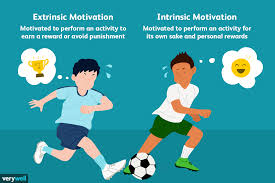
Many experts talk about intrinsic versus extrinsic motivation. Intrinsic comes from within. It’s doing something because you enjoy it.
Or because it feels right. Extrinsic comes from outside. It’s rewards or avoiding punishment.
For long-term drive, intrinsic is key. It’s more sustainable. It makes the work feel less like work.
Think about hobbies. You likely do them for fun. No one forces you.
You feel good when you do them. This is intrinsic drive. Applying this to bigger goals is powerful.
It’s about finding joy in the process. Not just the end result. This shift in focus changes everything.
It makes the journey rewarding itself.
My Own Wake-Up Call: When My Motivation Ran Dry
I remember trying to learn a new skill. It was coding. I saw people building amazing things.
I wanted to do that too. I bought books. I signed up for online courses.
The first few weeks were a blast. Every new piece of code felt like magic. I was so excited.
I stayed up late. My brain felt alive.
Then, I hit a wall. A really big wall. A bug in my code stopped me cold.
I spent hours trying to fix it. Nothing worked. Frustration set in.
The excitement vanished. It felt like I was banging my head against a brick. I started questioning if I was smart enough.
Was this even for me?
My “why” became fuzzy. I was focused on the difficulty. Not the cool things I could create.
I let the frustration win. I stopped coding. The books gathered dust.
I felt disappointed in myself. It was a clear lesson. Passion is great.
But it’s not enough alone. You need a plan for the tough times.
That experience taught me a lot. It showed me that motivation isn’t constant. It ebbs and flows.
The trick is not to wait for it. It’s to build systems that support you. Even when the feeling isn’t there.
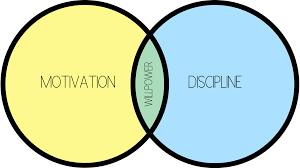
It’s about discipline meeting passion. That’s where lasting success is found. It took time to learn this.
But it was worth it.
Breaking Down Big Goals
Huge goals can feel overwhelming. This makes motivation hard. Break your big goal into small steps.
Each step should be achievable. This makes progress visible. Seeing progress boosts your drive.
For example, instead of “write a book,” aim for “write one page today.”
Making Progress Visible: The Power of Small Wins
You know that feeling when you tick something off a list? It’s a small high. It proves you’re moving forward.
This is crucial for long-term motivation. We are wired to notice progress. Seeing how far we’ve come is a huge motivator.
It tells our brain, “Keep going! You’re doing great!”
Think about a game. You level up. You get points.
These are small wins. They make you want to play more. Your own life goals can work the same way.
If your goal is huge, you might not see progress for months. This is where breaking it down helps.
Every time you complete a small task, acknowledge it. Don’t just rush to the next thing. Take a moment.
Feel that sense of accomplishment. This builds momentum. It creates a positive cycle.
You achieve something small. You feel good. That good feeling makes you want to achieve more.
It’s simple but powerful.
For instance, if you’re saving money, seeing your savings account balance increase is a win. Even a small increase. If you’re trying to eat healthier, a day of making good choices is a win.
Celebrate these moments. This doesn’t mean buying yourself a big gift every time. It can be as simple as noting it down.
Or telling a friend.
Celebrate Milestones
Don’t wait until the very end to celebrate. Mark smaller achievements along the way. This keeps morale high.
It reinforces the value of your effort. Acknowledging progress keeps the journey exciting. It prevents burnout.
Building Habits: The Backbone of Lasting Drive
Motivation can be fickle. Habits are not. Habits are actions you do almost automatically.
They are the routines that support your goals. Relying solely on motivation is a losing game. You will have days you don’t feel like it.
That’s when habits kick in.
Think about brushing your teeth. You don’t need to be motivated to do it. You just do it.
It’s a habit. Can you make your goal-related tasks into habits? Start small.
Make the habit easy to follow. For example, if you want to exercise, start with 10 minutes a day. Consistency is more important than intensity at first.
James Clear talks about “atomic habits.” These are tiny changes. They lead to remarkable results over time. He suggests making a habit obvious, attractive, easy, and satisfying.
This framework can be applied to any goal. Make your intention clear. Associate it with something you enjoy.
Make it easy to start. And reward yourself when you do it.
For example, if you want to read more, leave a book on your pillow. Make it visible. Pair it with a cozy cup of tea.
Read just one page before bed. Then, feel good about completing it. Over time, this small habit grows.
It becomes a natural part of your day. This is how you build a strong foundation for long-term success.
Habit Stacking
Link a new habit to an existing one. This makes it easier to remember. For example, “After I finish my morning coffee, I will write for 15 minutes.” This leverages your current routine.
Navigating the Dips: When Motivation Fades
It’s completely normal for motivation to dip. Everyone experiences this. It doesn’t mean you’re failing.
It means you’re human. The key is not to panic. Or to give up.
Instead, view these dips as opportunities. Opportunities to learn and adjust.
When you feel your motivation slipping, ask yourself why. Are you tired? Are you stressed?
Is the goal no longer relevant? Are you bored? Understanding the root cause helps you address it.
Sometimes, a simple break is all you need. Other times, you might need to adjust your approach.
If you’re tired, prioritize rest. If you’re stressed, find ways to manage it. If the goal feels less important, reconnect with your “why.” If you’re bored, find ways to make it more engaging.
Perhaps add a new element. Or find a friend to work with.
I found that when I feel unmotivated, it’s often because I’m focusing too much on the end result. I forget to enjoy the small steps. Or I’m trying to do too much at once.
I then remind myself of my original goal. I also scale back my expectations for the day. Just doing one small thing is better than nothing.
Mindfulness and Self-Compassion
Be kind to yourself during low periods. Acknowledge your feelings without judgment. Mindfulness can help you stay present.
It stops you from spiraling into negative thoughts. Self-compassion is vital for resilience.
The Role of Environment: Setting Yourself Up for Success
Your surroundings play a huge role. They can either help or hinder your motivation. Think about your workspace.
Is it tidy? Is it free from distractions? Or is it cluttered and chaotic?
A clean, organized space can boost focus. It reduces mental noise.
Consider digital distractions too. Social media notifications. Endless emails.
These can pull you away from your tasks. Simple steps like turning off notifications. Or setting specific times for checking emails.
Can make a big difference. You can even use apps that block distracting websites for certain periods.
Your social environment also matters. Who you surround yourself with influences your mindset. Spending time with positive, motivated people can be inspiring.
They can offer support and encouragement. On the flip side, constantly being around negative or unsupportive people can drain your energy.
I noticed a big change when I started working in a cafe. The gentle buzz of activity helped me focus. It was a change of scene from my home office.
It felt more like “work time.” Also, having friends who were also pursuing goals meant we could share struggles and successes. This accountability was a game-changer.
Create a Dedicated Space
If possible, have a designated area for your goal-related work. This helps your brain associate that space with focus. It signals that it’s time to get things done.
Staying Accountable: Sharing Your Journey
Accountability is a powerful tool. It’s having someone or something that holds you responsible. This could be a friend, a family member, a mentor, or even a coach.
Sharing your goals with others makes them more real.
When you tell someone your plans, you’re less likely to back out. You don’t want to disappoint them. Or yourself.
Regular check-ins are key. You can agree to update each other weekly. Or monthly.
This keeps you on track. It also provides a space to discuss challenges.
Online communities can also provide accountability. There are groups for almost every interest or goal. These communities offer support.
They share tips. They celebrate successes together. This sense of belonging can be very motivating.
You realize you’re not alone in your struggles.
I joined a running group once. We met every Saturday morning. Rain or shine.
Knowing others were waiting for me. That they counted on me to show up. Made it impossible to sleep in.
It wasn’t just about the exercise anymore. It was about commitment to the group. And to myself.
Accountability Partner Qualities
Choose someone who is supportive but also honest. They should understand your goals. And be willing to help you stay on track.
Regular, brief check-ins are often more effective than infrequent long ones.
Embracing Failure as a Learning Opportunity
Failure is a word that scares many people. It feels like the end. But in reality, failure is just feedback.
It’s a sign that something didn’t work. It’s not a reflection of your worth. Or your ability to succeed in the future.
Think about scientists. They conduct many experiments. Most of them don’t work as planned.
That’s okay. Each failed experiment teaches them something. It helps them refine their approach.
It guides them toward the next step. Your goals are no different.
When you encounter a setback, ask yourself: What can I learn from this? What went wrong? What could I do differently next time?
This perspective shift is crucial. It turns a negative experience into a positive learning moment. It fuels your motivation by providing valuable insights.
I once tried to start a small online business. It didn’t take off as I hoped. I invested time and money.
It felt like a huge failure. For weeks, I avoided thinking about it. But then, I realized I had learned so much.
About marketing. About customer service. About product development.
This knowledge was not lost. It was just waiting to be used in a new way.
Reframing Setbacks
Instead of saying “I failed,” try “This approach didn’t work.” or “I learned that X is not the best way.” This language changes your perception. It focuses on the lesson, not the negative outcome.
Finding Joy in the Journey: The Core of Sustainable Motivation
If your goal feels like a chore, motivation will always be a struggle. The most sustainable motivation comes from finding enjoyment in the process itself. This doesn’t mean every moment will be fun.
But there should be elements of satisfaction, interest, or even flow.
How can you make the journey more enjoyable? Experiment. Try different methods.
Listen to music while you work. Find a partner. Turn a task into a game.
Connect with the purpose behind the task. Remind yourself of the positive impact your actions will have.
For example, if your goal is to declutter your home, it can feel like a huge, boring task. But what if you put on your favorite upbeat playlist? Or invited a friend over to tackle it together?
Or focused on the feeling of peace and calm you’ll have in a tidy space? These small changes can transform the experience.
I discovered that when I’m trying to write, I do my best work in the morning. The quiet hours feel more peaceful. I can get into a flow state.
This time is now something I look forward to. It’s become a small reward in my day. It makes the writing process feel less like work and more like a creative outlet.
Seek Novelty
Introduce new elements to keep things fresh. Try a new route for your walk. Read a different author.
Learn a new technique related to your goal. Novelty can re-ignite interest.
The Power of Visualization and Positive Self-Talk
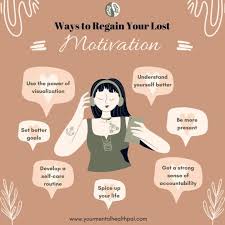
Your mind is a powerful tool. How you think about your goals can deeply affect your motivation. Visualization means picturing yourself achieving your goal.
See yourself succeeding. Feel the emotions of accomplishment. This can create a strong mental picture.
It primes your brain for success. It makes the goal feel more attainable. When you regularly visualize your success, you build a mental pathway to it.
This can make the actual achievement feel more natural. It’s like rehearsing a play before the performance.
Positive self-talk is also critical. This means speaking to yourself kindly. Replacing negative thoughts with encouraging ones.
Instead of “I can’t do this,” try “I’m learning, and I’ll figure it out.” Or “This is challenging, but I am capable of overcoming it.”
I used to be my own worst critic. If I made a mistake, I’d beat myself up. It made me fearful of trying new things.
I would freeze up. Learning to reframe my internal dialogue took conscious effort. I started by simply noticing my negative thoughts.
Then, I’d challenge them. I’d ask myself if they were actually true. Usually, they weren’t.
This simple practice made a huge difference in my confidence.
Affirmations
Create short, positive statements about your goal. Repeat them daily. For example, “I am becoming more disciplined every day.” or “I am capable of achieving my fitness goals.”
When to Seek Expert Help
While these strategies are powerful, there are times when you might need more support. If you consistently struggle with motivation. If it’s impacting your daily life significantly.
Or if you suspect underlying issues like depression or anxiety are at play, it’s okay to seek professional help.
Therapists, counselors, and coaches are trained to help people navigate these challenges. They can provide personalized strategies. They can help uncover deeper barriers to motivation.
They offer a safe space to explore your feelings and develop coping mechanisms. Remember, seeking help is a sign of strength, not weakness.
Organizations like the American Psychological Association offer resources. They can help you find qualified mental health professionals. Don’t hesitate to reach out if you feel stuck.
Getting the right support can make all the difference.
Signs You Might Need More Support
Persistent lack of interest in activities you once enjoyed. Extreme fatigue or low energy. Feelings of hopelessness.
Difficulty concentrating. Changes in sleep or appetite. These could indicate a need for professional guidance.
Conclusion: Your Journey, Your Pace
Staying motivated long-term is a skill. It’s built over time. With consistent effort and the right strategies.
Focus on your “why.” Break goals into small steps. Celebrate your progress. Build strong habits.
And be kind to yourself. Your journey is unique. Embrace the ups and downs.
You’ve got this.
Frequently Asked Questions About Long-Term Motivation
What is the most important factor for long-term motivation?
The most important factor is understanding and staying connected to your deep, personal “why.” This intrinsic drive fuels persistence through difficult times, unlike external rewards which can fade.
How can I stay motivated when I don’t see results quickly?
Focus on the process and celebrate small wins. Break down your big goal into tiny, manageable steps. Acknowledge and appreciate each step you complete, no matter how small, to maintain momentum.
Is it normal for motivation to disappear completely sometimes?
Yes, it’s completely normal for motivation to ebb and flow. Everyone experiences dips. It doesn’t mean you’re failing.
View these periods as opportunities to rest, reassess, and adjust your strategy.
How do habits help with motivation?
Habits create automatic behaviors. They allow you to continue progress even when you lack motivation. By turning goal-oriented actions into habits, you reduce reliance on fluctuating feelings.
What’s the difference between motivation and discipline?
Motivation is the desire to do something, often driven by emotion or interest. Discipline is the act of doing it, even when you don’t feel like it. Long-term success relies more on discipline.
Can environment really impact my motivation levels?
Absolutely. Your physical and social environment can significantly boost or hinder motivation. A clutter-free workspace, fewer digital distractions, and supportive people can all help maintain focus and drive.