Feeling like you’re wrestling with yourself to get things done? You’re not alone. Many people struggle to stay on track.
They want to do something, but something inside holds them back. It feels like a constant battle. This can be frustrating.
You might feel stuck or disappointed. But there’s good news. Building inner strength is possible.
It’s called self-discipline. This guide will help you understand it better. You’ll learn how to grow it.
You can achieve your dreams. Let’s start this journey.
Building self-discipline is about training your mind and body. It helps you do what you need to do. This is true even when you don’t feel like it. It’s key for reaching goals and living a better life.
What is Self-Discipline?
Self-discipline is your inner power. It lets you control your feelings and actions. It’s about making smart choices.
These choices help you reach your long-term goals. It’s not about punishment or strict rules. It’s about choosing what’s best for you.
Think of it as a muscle. The more you use it, the stronger it gets. It helps you resist temptations.
It guides you toward your aims. It keeps you focused. It helps you finish what you start.
This skill is vital for success. It impacts work, health, and personal growth.
Why does it matter so much? Because life throws curveballs. We all face challenges.
We have urges we want to follow. We might want to watch TV instead of working. We might want to eat junk food instead of a healthy meal.
Self-discipline helps you say “no” to these urges. It helps you say “yes” to what truly serves you. It’s the bridge between your goals and your achievements.
Without it, dreams often stay dreams. They never become real.
My Own Battle with Procrastination
I remember a time when I felt totally overwhelmed. I had a huge project at work. It needed a lot of research.
I knew I had to start. But my bed looked so comfy. My phone buzzed with notifications.
Each one felt more important than the project. I’d tell myself, “I’ll start in five minutes.” Then an hour would fly by. Panic would set in later.
I’d rush through the work. It was never my best effort. This cycle repeated itself.
I felt stressed and unhappy. I knew I needed to change. But changing felt hard.
It felt like fighting a strong current.
One evening, I was staring at my to-do list. It was long and daunting. I felt a heavy sigh escape me.
I wanted to finish writing a blog post. But social media was calling. I thought about how much better I’d feel if it was done.
I remembered a friend telling me about tiny steps. So, I decided to try. I told myself I would write just one sentence.
That felt doable. I typed it. Then I typed another.
Slowly, the words started to flow. It wasn’t a sudden burst of energy. It was a slow, steady build.
That tiny win felt huge. It showed me change was possible. It wasn’t magic.
It was just showing up, one small step at a time.
Small Wins Build Big Habits
It’s easy to think you need a massive change. You need a whole new lifestyle overnight. But that’s usually not true.
Small, consistent actions add up. They create lasting habits. Think about building a wall.
Each brick is a small step. One brick alone doesn’t do much. But many bricks together make a strong wall.
Why is Self-Discipline So Hard?
So, if self-discipline is so great, why do so many people struggle? It’s a good question. Our brains are wired for pleasure.
They love quick rewards. Think about junk food or scrolling through social media. These give us a fast hit of happiness.
Long-term goals, like losing weight or learning a skill, take time. The rewards are delayed. Our brains don’t always like that.
This is called the pleasure principle.
Another reason is habit. We have many habits. Some help us.
Others hurt us. Habits form shortcuts in our brains. They make actions automatic.
If you have a habit of checking your phone first thing, it’s hard to break. Your brain wants to do it. It feels normal.
It requires a lot of effort to go against a habit. This effort is mental energy. We all have a limited amount of this energy each day.
When it’s gone, it’s harder to be disciplined.
Fear also plays a role. Fear of failure can stop us. We might not want to try if we think we’ll mess up.
Fear of success is also real. Success can bring new challenges or expectations. Sometimes, we might feel we don’t deserve it.
These fears can make us avoid doing the work. They keep us in our comfort zone.
Common Obstacles to Self-Discipline
- Instant Gratification: Our brains prefer quick rewards.
- Established Habits: Old routines are hard to change.
- Lack of Motivation: Some days, it’s hard to get going.
- Stress and Fatigue: Being tired or stressed drains willpower.
- Perfectionism: Wanting things perfect can stop progress.
- Distractions: Modern life is full of interruptions.
Building Your Self-Discipline Muscle
The good news is, you can get better at this. It takes practice. It’s like learning to ride a bike.
You might wobble at first. You might fall. But with practice, you get steadier.
You learn to balance. The same is true for self-discipline.
Start small. Pick one small thing. Maybe it’s making your bed every morning.
Or drinking a glass of water when you wake up. Do this one thing daily. Make it a habit.
Once it feels easy, add another small thing. This gradual approach builds confidence. It also builds that mental muscle.
Create a plan. Knowing what you need to do and when helps a lot. Write down your goals.
Break them into smaller steps. Plan your days. Schedule time for important tasks.
This reduces the need for you to decide in the moment. When you have a plan, you follow it. This reduces the need for willpower.
Your Action Plan Starts Here
- Identify ONE small goal: Something easy to achieve daily.
- Set a Reminder: Use your phone or a sticky note.
- Do It Consistently: Aim for 7 days straight.
- Add Another Goal: Once the first is routine.
Strategies to Boost Your Inner Strength
Let’s dive into some practical ways to help you build self-discipline. These are things I’ve used myself and seen work for others.
1. Set Clear Goals (SMART)
Vague goals are hard to chase. “I want to be healthier” is too broad. Make your goals SMART.
This means Specific, Measurable, Achievable, Relevant, and Time-bound. For example, instead of “I want to eat better,” try “I will eat one serving of vegetables with lunch and dinner every day for the next month.” This is much clearer.
2. Break Down Tasks
A large task can feel like climbing a mountain. It’s scary. Break it into smaller steps.
Finishing each small step feels good. It keeps you moving forward. Writing a book?
Start with an outline. Then write one chapter. Then one page a day.
Each small win fuels your progress.
Task Breakdown Example
| Big Goal | Smaller Steps |
|---|---|
| Learn a New Language | Study vocabulary for 15 min daily. Practice speaking for 10 min. Review grammar rules weekly. |
| Start a Side Business | Research market ideas for 1 hour. Create a simple business plan. Set up social media profiles. |
3. Eliminate Temptations
Make it harder to do the wrong thing. Make it easier to do the right thing. If you want to eat less junk food, don’t buy it.
Keep healthy snacks visible. If social media distracts you, turn off notifications. Use website blockers if needed.
Removing temptation saves your willpower for important things.
4. Practice Delayed Gratification
This is a core part of self-discipline. It means choosing a later, bigger reward over an immediate, smaller one. For example, saving money instead of buying something you want now.
Or studying for an exam instead of watching TV. Each time you practice this, you strengthen your control.
5. Get Enough Sleep
This is so important, yet often overlooked. When you’re tired, your willpower drops. Your brain craves quick energy.
This means sugary foods or mindless scrolling. Aim for 7-9 hours of quality sleep each night. You’ll find it much easier to make good choices when you’re rested.
Sleep Hygiene Tips
Stick to a Schedule: Go to bed and wake up around the same time daily.
Create a Relaxing Bedtime Routine: Read a book, take a warm bath, or meditate.
Make Your Bedroom Dark and Cool: This helps signal sleep.
Limit Screen Time Before Bed: The blue light can disrupt sleep.
6. Find Your “Why”
What is the real reason you want to achieve this goal? Connect with that reason. Write it down.
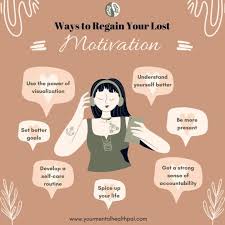
Put it somewhere you can see it every day. When you feel like giving up, remind yourself of your “why.” This deep motivation can push you through tough times. It’s more powerful than temporary urges.
7. Forgive Yourself for Setbacks
You will slip up. Everyone does. You’ll miss a day of workouts.
You’ll eat that cookie. It’s okay. The key is not to let one mistake derail you.
Don’t think, “I’ve ruined it, I might as well give up.” Instead, acknowledge it. Learn from it. Then, get back on track with your next meal or your next planned action.
Self-compassion is crucial for long-term success.
8. Visualize Success
Spend a few minutes each day imagining yourself achieving your goals. See yourself completing the task. Feel the satisfaction.
This mental rehearsal can boost your confidence. It can make the goal feel more real. It also primes your mind to take the necessary steps.
Visualizing Your Victory
Imagine the feeling: What does success feel like? Joy? Relief?
Pride?
See the details: What does the finished project look like? Where are you?
Hear the sounds: What do people say? What sounds of achievement do you hear?
Focus on the process: Visualize yourself taking the steps needed. Not just the end result.
9. Use Accountability Partners
Sharing your goals with someone else can make you more likely to stick to them. This could be a friend, family member, or colleague. Check in with them regularly.
Tell them about your progress and challenges. Knowing someone is watching can be a powerful motivator. They can offer support and encouragement.
10. Practice Mindfulness
Mindfulness means being present in the moment. It helps you notice your thoughts and feelings without judgment. This awareness can stop you from acting on impulse.
You can see an urge arise. You can acknowledge it. Then you can choose not to act on it.
Meditation is a great way to build mindfulness. Even a few minutes a day can help.
Real-World Scenarios Where Self-Discipline Shines
Let’s look at how self-discipline shows up in everyday life. It’s not just for big, grand goals. It’s in the small, consistent actions that shape our days.
Morning Routines
This is where many people test their discipline. Hitting the snooze button is tempting. But people who get up and exercise, meditate, or plan their day often feel more in control.
They use that early morning quiet time wisely. They get a head start before distractions begin. This sets a positive tone for the rest of the day.
Financial Management
Saving money is a prime example. It requires delaying spending. You might see something you want now.
But you know saving for a down payment on a house or a retirement fund is more important. This needs discipline. It means saying “no” to impulse buys.
It means sticking to a budget. It’s about choosing long-term security over short-term pleasure.
Budgeting Basics
Track Spending: Know where your money goes. Use apps or a notebook.
Create a Budget: Plan how much you’ll spend on needs and wants.
Set Saving Goals: Automate transfers to savings accounts.
Review Regularly: Adjust your budget as needed.
Health and Fitness
Eating healthy foods and exercising regularly are pillars of self-discipline. It’s easy to grab fast food. It’s easy to skip a workout when you’re tired.
But building a healthy body requires consistent effort. It means choosing the salad over fries. It means going for that run even when you don’t feel like it.
The results – more energy, better health – are worth the discipline.
Learning and Skill Development
Mastering a new skill or advancing in your career takes time. It involves hours of practice and study. This often means sacrificing leisure time.
You might have to give up watching TV or going out with friends. You dedicate that time to learning. This steady effort over time leads to expertise.
Work Habits
In the workplace, self-discipline means staying focused. It means avoiding time-wasting activities. It’s about managing your workload effectively.
It’s meeting deadlines. It’s doing your best work even when the task is difficult or boring. Employers value employees who are reliable and productive.
This comes from inner discipline.
Focus Boosters for Work
Time Blocking: Schedule specific times for tasks.
Pomodoro Technique: Work in focused bursts with short breaks.
Clear Workspace: A tidy desk means a tidy mind.
Minimize Notifications: Turn off alerts that aren’t urgent.
When Is Self-Discipline Not Enough?
It’s important to recognize that while self-discipline is powerful, it’s not a cure-all. There are times when you might need more than just inner strength.
Mental Health Challenges
Conditions like depression, anxiety, or ADHD can significantly impact willpower and focus. If you’re struggling with your mental health, self-discipline alone may not be enough. Seeking professional help from a therapist or counselor is crucial.
They can provide tools and strategies tailored to your specific needs. Sometimes, medication can also help rebalance brain chemistry, making it easier to apply other strategies.
Overwhelming Circumstances
Sometimes, life throws incredibly difficult challenges your way. Grief, job loss, or serious illness can drain your emotional and mental resources. In these times, self-discipline might shift from achieving big goals to simply getting through the day.
It’s okay to lower your expectations and focus on self-care. Prioritize rest and seek support from your community.
Unrealistic Expectations
Trying to do too much too soon can lead to burnout. If you set goals that are too ambitious or try to change too many habits at once, you’re likely to fail. This can be discouraging.
It can make you feel like you lack discipline, when in reality, your plan was just too demanding. It’s better to aim for steady, sustainable progress.
In these situations, self-compassion is key. Recognize your limits. Don’t beat yourself up for not being able to “just push through.” Reach out for help. This is a sign of strength, not weakness.
Professionals can offer guidance. Friends and family can offer comfort and practical support. Combining self-discipline with external support systems creates a robust approach to life’s challenges.
Quick Tips for Daily Discipline
Here are some simple, actionable ideas you can use today.
- Start your day with a small win. Make your bed.
- Drink a glass of water first thing. Hydration helps focus.
- Take short breaks during tasks. Step away, stretch, then return.
- Eat a healthy snack if hungry. Avoid energy crashes.
- Write down one thing you’re grateful for. It boosts mood.
- Review your top priority for the day. Keep it in mind.
- Limit your exposure to negative news. It drains energy.
- Spend 5 minutes tidying up. A clean space helps a clear mind.
- Plan tomorrow tonight. Decide on your first task.
Frequently Asked Questions About Self-Discipline
What is the quickest way to build self-discipline?
The quickest way is to start with very small, consistent actions. Pick one tiny habit, like drinking water in the morning. Do it every day for a week.
This builds momentum and shows you can succeed. Small wins are powerful. They lead to bigger changes over time.
Can I be born with self-discipline, or is it learned?
Self-discipline is largely learned and developed. While some people may have natural tendencies toward it, like being more patient or focused, it’s a skill. It can be trained and strengthened through practice, just like any other ability.
Everyone can improve their self-discipline with the right strategies and consistent effort.
How do I stop procrastinating with self-discipline?
To stop procrastinating, try breaking down tasks into very small steps. Focus on just the first small step. Also, remove distractions.
Set a timer for focused work periods. Remind yourself of your “why” – the bigger reason you need to do the task. Forgive yourself if you slip up and get back on track.
What if I have no motivation to be disciplined?
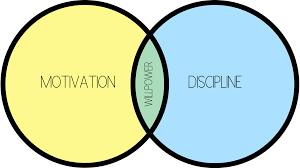
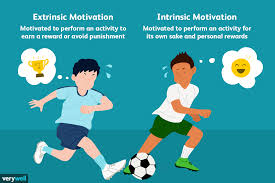
Motivation can be fleeting. Discipline is about action, even without motivation. Connect deeply with your “why” – the reason behind your goal.
Visualize achieving it. Also, try the “just five minutes” rule. Commit to doing something for just five minutes.
Often, you’ll keep going once you start. Don’t wait for motivation; build discipline.
Is self-discipline the same as willpower?
Willpower is like a battery. It’s the mental energy you have to resist temptations and make difficult choices. Self-discipline is the habit and strategy of using that willpower wisely.
It’s about building systems and routines so you don’t have to rely solely on willpower. Discipline helps conserve and direct your willpower effectively.
How can I maintain self-discipline long-term?
Long-term self-discipline comes from building strong habits. Automate good choices where possible. Regularly review your goals and your “why.” Celebrate your successes, no matter how small.
Learn from setbacks without judgment. Surround yourself with supportive people. Continuously learn and adapt your strategies.
It’s a marathon, not a sprint.
What are the signs I’m becoming more disciplined?
You might notice you procrastinate less. You’re more consistent with habits like exercise or healthy eating. You find it easier to say “no” to immediate temptations.
You feel more in control of your time and actions. Your goals seem more achievable. You also bounce back faster from mistakes.
Conclusion
Building self-discipline is a journey. It’s a skill that grows with practice. It empowers you to live the life you want.
Remember to start small. Be patient with yourself. Celebrate every victory.
You have the strength within you. With consistent effort, you can achieve amazing things. Keep going!