Understanding the psychology of procrastination is key to breaking free from its hold. It’s not just about laziness. It’s about deeper reasons why we delay tasks. Knowing these reasons helps us find better ways to get things done. This guide will explore those reasons and offer simple paths to action.
The Roots of Putting Things Off
Procrastination is the act of delaying or postponing a task. We do this even when we know it might hurt us. It’s a common human behavior. It affects students, workers, and even artists. Many people think it means they are lazy. But the truth is more complex. It often involves managing our emotions. It’s about how we feel about a task. It’s not always about not wanting to do the work. Sometimes, it’s about how the work makes us feel.
Why do we do this? Several things play a role. Our brains are wired to seek pleasure. They also try to avoid pain. Tasks that feel difficult or boring can trigger a negative feeling. This feeling makes us want to escape. So, we seek out activities that feel good now. These are often simpler or more fun. This is a key part of procrastination psychology. It’s an emotional regulation problem. We try to manage difficult feelings by delaying the task. This gives us a short-term mood boost. But it usually leads to more stress later.
My Own Stumble with a Big Project
I remember working on a huge report for a client once. It was complex. It involved a lot of data analysis. My deadline was weeks away. The first few days were fine. I’d open the files. I’d stare at the spreadsheets. Then, a wave of dread would wash over me. My shoulders would tense up. My mind would race with other thoughts. “I should really organize my inbox,” I’d think. Or, “I need to plan dinner for the whole week.” These felt productive, but they were distractions. The real work felt too daunting.
I’d spend hours doing tiny, unimportant tasks. I’d organize my desktop files. I’d research the best way to brew coffee. Anything but the report. Then, I’d feel guilty. This guilt made the report even more unappealing. It was a cycle. I was stuck in a loop of avoidance and self-criticism. The sheer size of the project felt like a mountain. I didn’t know where to start. That’s when I realized it wasn’t about not wanting to do the work. It was about the fear of how I would do it, or if I could do it well. The deadline was still far off, but the pressure was already building. I felt this sinking feeling in my stomach. I knew I had to break the pattern.
Common Procrastination Triggers
Feeling Overwhelmed: Tasks that seem too big or complex.
Perfectionism: Fear of not doing a perfect job.
Fear of Failure: Worry about not meeting expectations.
Lack of Motivation: The task is not interesting or rewarding.
Poor Time Management: Not knowing how to break down tasks.
Low Energy: Feeling tired or burnt out.
The Psychology Behind Delaying Tasks
At its core, procrastination is about our emotions. We often delay tasks that make us feel bad. These bad feelings can include anxiety, self-doubt, or boredom. We want to feel good right now. Delaying the task offers temporary relief. This is called emotion-focused coping. It’s a way to manage distress. But it’s not a long-term solution. It creates a cycle: feel bad, delay, feel worse, delay more.
Several psychological factors contribute to this. Our brain’s reward system plays a part. The immediate pleasure of doing something easy feels better than the distant reward of finishing a hard task. This is called present bias. We value immediate rewards more than future ones. Even if the future reward is much larger. Our perception of time also matters. Tasks that seem far off can feel less urgent.
Self-doubt is another big player. If you’re not sure you can do a good job, you might avoid starting. This prevents you from confirming your fears. It’s a way to protect your self-esteem. This is linked to perfectionism. Perfectionists often delay starting tasks because they fear they won’t meet their own high standards. The thought of imperfect work can be more painful than the stress of delaying.
Why We Delay Tasks: A Deeper Look
Let’s break down the “why” behind delaying tasks. It’s not a single reason. It’s a mix of things.
Task Characteristics
Some tasks are just harder to start. Tasks that are dull, tedious, or unstructured are prime candidates for delay. If a task has no clear steps or is just plain boring, your brain will find it hard to engage. Think about cleaning out a cluttered garage versus watching your favorite show. The garage task is likely to be put off.
Personal Traits
Some people are more prone to procrastination than others. This can be linked to personality. Traits like impulsivity can make it harder to resist immediate gratification. Low self-control is also a factor. But it’s important to remember that everyone procrastinates sometimes. It’s a human tendency.
Situational Factors
Sometimes, our environment causes us to delay. Too many distractions can make it hard to focus. A lack of clear goals or deadlines can also contribute. If you don’t know what success looks like, it’s hard to know when you’ve achieved it. This can lead to inaction.
Procrastination and the Brain
The human brain has different parts that influence our behavior. The prefrontal cortex is like the brain’s CEO. It’s responsible for planning, decision-making, and impulse control. When we procrastinate, this area might be less active. The limbic system, which handles emotions, can take over. It seeks immediate pleasure and avoids discomfort.
So, when faced with a difficult task, the limbic system might say, “This feels bad! Let’s do something fun instead!” The prefrontal cortex struggles to override this urge. It’s like having a constant battle between your desire for immediate comfort and your long-term goals. This is why simply telling yourself to “just do it” often doesn’t work. Your brain is sending strong signals to avoid the discomfort.
Common Triggers in Daily Life
We see procrastination pop up in many places.
Procrastination in Different Areas
Work: Delaying reports, emails, or challenging projects.
Studies: Putting off homework, studying for exams, or writing essays.
Personal Life: Avoiding chores, making appointments, or exercising.
Health: Postponing doctor visits or healthy lifestyle changes.
The reason we delay these tasks often comes back to the same core issues. Is the task unpleasant? Does it feel overwhelming? Are we worried about how we’ll perform? These questions are central to understanding procrastination psychology.
The Experience of Delaying
I once had to plan a surprise party for a friend. It sounds fun, right? But the logistics felt huge. Finding a date that worked for everyone. Booking a venue. Coordinating food and decorations. My mind went blank when I thought about it. I’d start planning a playlist. I’d look at cake designs online. Things that felt creative but didn’t move the actual planning forward.
The deadline for booking the venue was approaching. I felt a knot of anxiety tighten in my chest. I’d lie awake at night, thinking, “I’m such a bad friend. I can’t even organize this.” The guilt was intense. It made me want to avoid thinking about it even more. This is the vicious cycle. The more I avoided, the more stressed I became. The more stressed I became, the harder it was to start. It felt like I was trapped.
When Perfectionism Fuels Delay
Perfectionism is a tricky beast. On the outside, it looks like a desire for excellence. But often, it’s rooted in a fear of judgment. A perfectionist might delay starting a project because they fear their work won’t be good enough. They might think, “If I can’t do it perfectly, I shouldn’t do it at all.” This is a form of all-or-nothing thinking.
This fear of imperfection stops action before it even begins. It’s easier to live with the discomfort of not starting than the potential pain of creating something flawed. A perfectionist might spend hours researching the perfect font for an email, rather than actually writing the email. The task becomes about avoiding flaws, not about completing the work. This can lead to significant delays. It stops progress dead in its tracks.
Fear of Failure vs. Fear of Success
Sometimes, we delay tasks because we’re afraid of failing. This is the most common fear. We worry about not being good enough. We worry about making mistakes. We worry about what others will think. This fear can be paralyzing. It stops us from even trying.
But sometimes, we also delay because we’re afraid of success. This sounds strange, but it’s real. Success can bring new responsibilities. It can mean higher expectations from others. It can mean more pressure. If we’re comfortable in our current situation, the prospect of change that success brings can be daunting. This fear can lead us to self-sabotage. We might unconsciously avoid tasks that could lead to positive outcomes.
The Role of Motivation and Energy
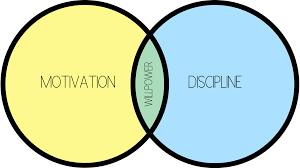
Lack of motivation is a clear sign that we might procrastinate. If a task doesn’t excite us, it’s hard to find the drive to start. This is especially true if there are more exciting options available. Think about choosing between writing a boring report and playing a video game. The video game offers instant fun. The report offers a distant sense of accomplishment.
Energy levels are also crucial. When we’re tired or burnt out, our ability to tackle difficult tasks is greatly reduced. Our willpower is like a muscle. It gets fatigued with use. Trying to push through when you have no energy is a recipe for procrastination. Your brain simply doesn’t have the resources to fight off distractions or discomfort. It wants to conserve energy.
Understanding Modern Procrastination
In today’s world, procrastination often looks different. We have more distractions than ever before. Smartphones, social media, and endless online content are constant temptations. These platforms are designed to capture our attention. They offer quick hits of dopamine. This makes it even harder to focus on tasks that require sustained effort.
The sheer volume of information can also be overwhelming. We can feel like we need to know everything before we can start. This leads to information overload. We get stuck in a loop of research and consumption. It feels like we’re being productive, but we’re not actually moving forward on the core task. This modern landscape makes understanding procrastination psychology more important than ever.
Procrastination vs. Laziness: What’s the Difference?
Laziness: An unwillingness to work or exert oneself. It’s a choice to be inactive.
Procrastination: Delaying tasks despite knowing the negative consequences. Often driven by emotions like anxiety, fear, or overwhelm, not a lack of desire to achieve the goal.
Key Difference: Procrastinators often want to do the task. They struggle with how to start or manage the feelings associated with it. Lazy people often simply don’t want to do the work at all.
Breaking the Cycle: Practical Steps
Knowing why we procrastinate is the first step. The next is learning how to break the cycle. It’s not about never procrastinating again. It’s about developing habits that help us manage it.
Chunking Tasks
Big tasks can feel impossible. Break them down into smaller, manageable steps. Instead of “Write report,” try “Outline section 1,” “Research topic A,” “Write introduction paragraph.” Each small step feels more achievable. Completing these small wins builds momentum. It also provides those small dopamine hits that our brain craves.
Setting Realistic Goals
Avoid setting yourself up for failure. Make your goals SMART: Specific, Measurable, Achievable, Relevant, and Time-bound. Instead of “Get fit,” try “Walk for 30 minutes three times this week.” Realistic goals are easier to start and complete. They build confidence.
Time Blocking
Dedicate specific blocks of time for focused work. During these blocks, eliminate distractions. Turn off notifications. Close unnecessary tabs. This creates an environment where you can concentrate. Even short bursts of focused work can be very productive.
Reward System
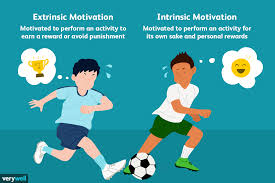
Give yourself small rewards for completing tasks or reaching milestones. This reinforces positive behavior. The reward doesn’t have to be big. It could be a short break, a cup of coffee, or listening to a favorite song. This helps train your brain to associate task completion with positive feelings.
Quick Fixes for Common Procrastination Hurdles
Feeling Overwhelmed? Pick the easiest small step and do only that.
Boredom? Try gamifying the task. Set a timer and see how much you can do.
Unsure Where to Start? Just write down anything related to the task.
Low Energy? Start with a 5-minute task. Often, starting is the hardest part.
The Importance of Self-Compassion
Be kind to yourself. When you slip up and procrastinate, don’t beat yourself up. This guilt only makes things worse. Acknowledge that it happened. Learn from it. Then, refocus on the next step. Self-compassion is a powerful tool. It helps you bounce back faster. It reduces the negative emotions that fuel procrastination.
Think of it like this: If you missed a workout, would you give up on your fitness goals? Probably not. You’d plan your next workout. Treat your procrastination the same way. It’s a setback, not a failure.
When to Seek Professional Help
For most people, understanding procrastination psychology and applying a few strategies can make a big difference. However, for some, procrastination can be a symptom of deeper issues. Conditions like ADHD, anxiety, or depression can significantly impact motivation and focus.
If procrastination is severely impacting your life, relationships, or work, it’s a good idea to talk to a professional. A therapist or counselor can help you identify underlying causes. They can also provide tailored strategies and support. They can help you develop effective coping mechanisms.
Real-World Contexts and Scenarios
Imagine a student facing a 20-page research paper. The deadline is three weeks away. They feel overwhelmed. They don’t know where to start. They might spend hours scrolling through social media. Or they might start researching topics endlessly, but never actually outline the paper. This is common. The task is large and unclear.
Another scenario: A creative professional has a client project. They are excited about the creative part. But the administrative tasks, like invoicing or reporting, feel tedious. They’ll delay these administrative tasks. They’ll focus on the design work. This feels good in the moment. But it leads to problems later. Bills might go unpaid. Client reports might be late.
These everyday situations show how varied procrastination can be. It’s not always about laziness. It’s often about managing difficult emotions and tasks. Our environment and our personal habits play a big role.
What This Means for You
Understanding procrastination psychology is about empowerment. It means you’re not alone. Many people struggle with this. It’s a normal human tendency, but it can be managed.
When is it normal? It’s normal to delay tasks occasionally, especially if you’re tired or have too much on your plate. It’s also normal to put off unpleasant tasks.
When should you worry? You should worry if procrastination is a consistent pattern. If it causes you significant stress. If it harms your work, studies, or relationships. If you feel guilty or ashamed often because of it. If it prevents you from reaching your goals.
Simple checks: How often do you delay important tasks? Does this delay cause you problems? Do you feel a lot of stress or anxiety about starting tasks? If the answer to these is often “yes,” it might be time to look closer.
Quick Fixes and Tips
Here are some simple guidelines to help you get started.
The Two-Minute Rule: If a task takes less than two minutes, do it immediately. This clears out small tasks and builds momentum.
Eat the Frog: Tackle your most difficult or dreaded task first thing in the morning. Once it’s done, the rest of your day feels easier.
Set Deadlines for Yourself: Even for tasks without external deadlines, create your own. This adds a sense of urgency.
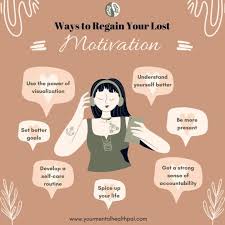
Visualize Success: Imagine yourself completing the task. Focus on the positive feelings of accomplishment.
Find an Accountability Partner: Share your goals with a friend or colleague. They can help keep you on track.
Frequently Asked Questions About Procrastination
Is procrastination a sign of laziness?
No, not usually. Procrastination is often driven by emotional factors like anxiety or overwhelm. It’s delaying tasks despite knowing the negative consequences.
Laziness is more about an unwillingness to exert effort at all.
Why do I procrastinate on things I actually want to do?
This can happen when a task feels too big, you’re a perfectionist, or you fear not doing it well enough. Even desired tasks can trigger these feelings, leading to delay.
Can procrastination be a good thing?
Generally, no. While sometimes a short delay might lead to better ideas (incubation), chronic procrastination is harmful. It leads to stress, missed opportunities, and lower quality work.
How can I stop procrastinating immediately?
There’s no magic ‘off’ switch. Start small. Use the two-minute rule.
Break down tasks. Focus on just starting, not finishing. Celebrate small wins.
Consistency is key.
What is ‘executive dysfunction’ and how does it relate to procrastination?
Executive dysfunction refers to difficulties with skills like planning, organizing, and managing time. These skills are crucial for avoiding procrastination. Conditions like ADHD often involve executive dysfunction, making procrastination more common.
Is there a difference between procrastination and simply being busy?
Yes. Being busy means you are actively engaged in many tasks. Procrastination is about avoiding a specific task or set of tasks, even if you have time available.
Wrapping Up: Your Path Forward
Procrastination is a complex behavior. It’s rooted in how we manage our feelings. It’s influenced by task types, our personal traits, and our environment. Understanding procrastination psychology is the first step to changing your habits. You can learn to break down tasks, manage your emotions, and build momentum. Be patient with yourself. Small, consistent steps lead to big changes over time. You’ve got this.