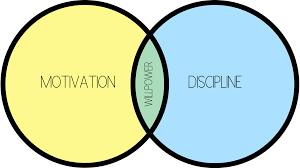
Overcoming procrastination when you have ADHD often means understanding its roots in executive function challenges, then applying tailored strategies for task initiation, focus, and completion, rather than relying on willpower alone.
Understanding ADHD and the Procrastination Puzzle
Procrastination is more than just putting things off. For people with ADHD, it’s deeply tied to executive functions. These are the brain’s management skills.
They help us plan, start tasks, stay focused, and finish them. ADHD can make these skills harder to use. Think of it like having a car with a great engine but weak steering.
You have the energy, but directing it is the hard part.
When you have ADHD, your brain might struggle with:
- Task initiation: Simply starting something new.
- Time management: Estimating how long things take.
- Working memory: Holding information in your mind to use it.
- Emotional regulation: Dealing with feelings like boredom or frustration.
These challenges can make even small tasks feel overwhelming. The fear of failure or the sheer effort of beginning can lead to avoidance. This avoidance is often mistaken for laziness.
But it’s a symptom of a different brain wiring. It’s why traditional advice, like “just do it,” often falls flat.
For instance, imagine needing to do your taxes. For someone without ADHD, it might be a tedious chore. For someone with ADHD, it can feel like a mountain.
There are many steps. You need to find documents. You need to focus for a long time.
You might get bored or distracted by other things. This can feel like a huge mental hurdle. You might worry about making mistakes.
This worry adds to the stress. So, you put it off. And put it off.
And then it feels even bigger and scarier.
The brain of someone with ADHD often seeks novelty and immediate rewards. Tasks that are boring, difficult, or have a delayed payoff can be tough to engage with. This doesn’t mean you don’t care about the outcome.
It means your brain’s reward system works differently. It craves stimulation. Mundane tasks don’t provide that stimulation easily.
This is where the real struggle begins. It’s a constant battle against your own brain’s wiring. The goal is to work with your ADHD brain, not against it.
My Own Brush with the “Can’t Start” Wall
I remember a time when I had a big presentation to prepare. It was for a client I really wanted to impress. I knew the content inside and out.
I had all the data. But for days, I just couldn’t sit down and build the slides. My laptop was open.
The presentation software was ready. Yet, my mind wandered. I’d tidy my desk.
I’d check emails that weren’t urgent. I’d even start a new book. Anything but the presentation.
The deadline crept closer. Panic started to set in. I felt this awful knot in my stomach.
It wasn’t just fear of failing; it was frustration with myself. “Why can’t I just do this?” I kept asking. I knew what I needed to do.
I had the skills. But the act of starting felt like trying to push a boulder uphill. That feeling of being stuck, when you know you have to move, is exhausting.
It drains your energy and your spirit.
One evening, I stared at the blank slide deck. The room was quiet. All I could hear was the hum of the refrigerator.
I felt a wave of sheer annoyance. Not just at the task, but at myself. This feeling was a turning point.
It made me realize I needed a different approach. Something that acknowledged how my brain was working, or rather, not working. I realized willpower alone wasn’t the answer.
I needed tools.
ADHD Brain Boosters vs. Traditional Motivation
Traditional View: “Just buckle down and do it. You lack discipline.”
ADHD Reality: “My brain needs more specific tools to engage. Discipline isn’t the missing piece; effective strategies are.”
Breaking Down the Mountain: Task Decomposition
One of the biggest hurdles with ADHD is facing a large, undefined task. It feels like a giant mountain to climb. The sheer size can be paralyzing.
The key is to break that mountain into tiny, manageable hills. This is called task decomposition. It makes the task less scary and more approachable.
Instead of “Write report,” think about the smallest possible steps. This might be:
- Open the document.
- Write the title.
- Write one sentence for the introduction.
- Find one statistic for section one.
Each of these is a tiny win. Each step you complete gives your brain a small hit of dopamine. This helps to build momentum.
It shows your brain that progress is possible. It’s like taking one step at a time. Soon, you realize you’ve walked quite a distance.
This strategy helps bypass the initial overwhelm that often triggers procrastination.
Let’s say you need to clean your garage. This sounds awful. It’s big.
It’s messy. Where do you even start? Task decomposition turns it into:
- Get out cleaning supplies.
- Take out the trash bag.
- Focus on just one shelf.
- Put away three items on that shelf.
- Wipe down that shelf.
This makes it much less daunting. You can tackle one small part. Then another.
You don’t have to see the whole messy garage to start cleaning. You just have to deal with one small area. This gradual approach is much more effective for an ADHD brain.
It’s about making the first step so small it’s almost impossible not to take it.
The goal here is to reduce the cognitive load. When a task is too big, your brain feels overloaded. It can’t figure out where to begin.
By breaking it down, you simplify the decision-making process. You tell your brain exactly what to do next. This is incredibly helpful.
It removes the “what now?” paralysis. It gives clear, actionable steps. These steps are more likely to be followed.
Decomposition in Action: A Simple Example
Task: Plan a birthday party.
Decomposed Steps:
- Decide on a date.
- Brainstorm guest list (just names for now).
- Pick a theme idea.
- Look up party venues online (just browse, don’t book).
- Choose one venue to research further.
Leveraging Hyperfocus (When It Works)
People with ADHD often talk about hyperfocus. This is when you can get intensely absorbed in an activity. It’s like tunnel vision.
You can work for hours without distraction. While it can be a superpower, it can also be a trap. If you’re not hyperfocusing on the right thing, you can lose a lot of time.
The trick is to learn how to direct it.
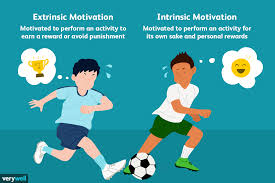
Hyperfocus is often triggered by high interest, novelty, or urgency. It’s driven by the dopamine reward system. When a task provides enough stimulation, the brain can lock on.
The challenge is that many important tasks don’t offer this. They are routine, boring, or feel too far in the future to matter.
So, how can you use it? One way is to make tasks more interesting. Gamify them.
Add elements of challenge or competition. Can you beat your previous time? Can you find three new facts?
Can you complete this part before a timer runs out?
Another tactic is to create a sense of urgency. Deadlines are crucial. If a task doesn’t have a natural deadline, create one.
Tell a friend you will finish it by a certain time. The social pressure can help initiate hyperfocus. Or, tie the task to something you enjoy.
Can you listen to your favorite podcast while doing a less engaging task? (This works for some, but can be a distraction for others – experiment!).
I found that for tasks I really disliked, but were important, I had to make them a bit of a game. For filing paperwork, I’d set a timer for 15 minutes. I’d see how much I could get done.
The race against the clock often engaged my brain. It turned a dull chore into a mini-challenge. I wasn’t enjoying the filing, but I was enjoying the game of filing efficiently.
It’s also important to recognize when hyperfocus is not helping. If you’re hyperfocusing on video games when your rent is due, that’s a problem. The key is awareness.
Know what triggers your hyperfocus and try to align it with your priorities. This is a skill that takes practice. It’s about harnessing that intense focus for productive outcomes.
When Hyperfocus is Your Friend (and Foe)
Friend: Intense focus on a high-interest project, leading to rapid progress and deep engagement.
Foe: Getting lost in a low-priority activity, ignoring critical tasks and responsibilities.
Externalizing Executive Functions: Tools and Strategies
Since ADHD affects executive functions internally, we can use external tools to support them. Think of these as “outsourcing” some of the mental heavy lifting. This is a vital part of managing ADHD-related procrastination.
Visual Aids: Our brains often respond well to visuals. Use whiteboards, sticky notes, and color-coding. Write down your tasks.
Draw out your projects. Seeing things laid out can make them more concrete and less overwhelming.
Timers: Timers are your best friend. The Pomodoro Technique is popular. Work for 25 minutes, then take a 5-minute break.
This breaks work into manageable chunks. It also provides regular, short rewards (breaks!). Timers help with time blindness, a common ADHD symptom where estimating time is difficult.
Checklists: For multi-step tasks, a checklist is essential. It keeps track of what’s done and what’s next. This reduces the mental load of trying to remember everything.
It provides a clear path forward and a sense of accomplishment as you tick things off.
Reminders and Alarms: Use your phone or smart speaker for reminders. Set alarms for when to start a task, when to take a break, or when to switch tasks. Don’t rely on your memory alone.
Externalize those reminders!
Accountability Partners: Share your goals with a trusted friend, family member, or coach. Check in regularly. Knowing someone else is aware of your goals can provide extra motivation.
They can help you stay on track without judgment.
I personally rely heavily on my digital calendar and reminders. I block out time for specific tasks. I set alarms to tell me when to start.
It sounds like a lot of “managing yourself,” but it’s necessary. My brain won’t naturally cue me to start the task. The alarm does it for me.
For a long time, I thought this was a sign of weakness. Now, I see it as smart strategy. It’s using tools to overcome a brain difference.
One specific tool I found useful was a large whiteboard in my office. I’d write my top 3 priorities for the week. As I completed them, I’d cross them off.
Seeing them visibly disappear gave me a real boost. It was a visual representation of progress. It stopped me from feeling like I was constantly spinning my wheels.
It made the abstract concept of “progress” very real and tangible.
Your External Executive Function Toolkit
- Visualizers: Whiteboards, Post-it Notes, Mind Maps
- Timekeepers: Timers (Pomodoro, standard), Clock
- Trackers: Checklists, Habit Trackers, To-Do Apps
- Alerts: Phone Alarms, Calendar Reminders, Smart Speakers
- Support Systems: Accountability Partners, Coaches, Study Groups
Environmental Design for Productivity
Your surroundings play a huge role in how you focus and get things done. For those with ADHD, a chaotic or distracting environment can be a major roadblock. Designing your space to minimize distractions and encourage focus is crucial.
This isn’t about perfection; it’s about making your environment work for you.
Minimize Visual Clutter: A messy desk can lead to a messy mind. Try to keep your workspace as clear as possible. Store items away when not in use.
This reduces visual noise that can pull your attention. Even small amounts of clutter can be distracting for an ADHD brain.
Control Auditory Distractions: Some people with ADHD need silence. Others do better with background noise. Experiment to find what works for you.
Noise-canceling headphones can be a lifesaver. Some people find ambient music or white noise helpful.
Dedicated Workspace: If possible, have a dedicated space for work or tasks. This helps create a mental association. When you’re in that space, your brain knows it’s time to focus.
Avoid doing tasks in bed or on the couch, as these are associated with relaxation.
Lighting and Comfort: Ensure your workspace is well-lit and comfortable. Poor lighting can cause eye strain and fatigue. An uncomfortable chair can be a constant distraction.
Small adjustments can make a big difference in your ability to stay focused.
I found that simply clearing my desk each evening made a difference. Before I even started my workday, the clean space was calming. It signaled that I was ready to tackle the day’s tasks.
I also discovered that working from a coffee shop sometimes helped. The low level of background chatter was just enough stimulation to keep me engaged. It wasn’t too quiet, and it wasn’t too loud.
It was a Goldilocks zone for my brain.
It’s also about setting up your environment for success before you start a task. If you need to work on your computer, have it charged. Have any necessary files or documents ready.
The less friction there is to starting, the more likely you are to start. Think of it as setting the stage for productivity.
Your Productivity Zone Checklist
- Is your workspace tidy?
- Are distracting noises minimized or managed?
- Is your chair comfortable and supportive?
- Is there good lighting?
- Are necessary tools within reach?
Mindset Shifts: Self-Compassion and Realistic Expectations
One of the most powerful tools in overcoming ADHD-related procrastination is a change in mindset. This means practicing self-compassion and setting realistic expectations. People with ADHD often carry a heavy burden of guilt and shame.
They’ve been told they’re lazy or not trying hard enough for years. This self-criticism is counterproductive.
Self-Compassion: Treat yourself with the same kindness you would offer a friend. Understand that ADHD is a neurodevelopmental difference. It’s not a character flaw.
When you slip up, acknowledge it without harsh judgment. Ask yourself, “What can I learn from this?” rather than “Why am I so bad at this?” This shift reduces anxiety, which is a major driver of procrastination.
Realistic Expectations: Don’t compare yourself to neurotypical individuals. Your brain works differently. Your productivity might look different.
Focus on making progress, not on achieving perfection or a specific timeline that doesn’t fit your brain. Celebrate small wins. Recognize that some days will be harder than others, and that’s okay.
I used to beat myself up constantly. If I didn’t finish a task, I’d spend hours feeling miserable. This made me want to avoid tasks even more.
It was a vicious cycle. Learning to be kinder to myself was a huge breakthrough. I started telling myself, “Okay, that didn’t go as planned.
What’s the next small step I can take?” This reframed the failure as a temporary setback, not a permanent state of being.
It’s about acceptance. Accepting that you have ADHD and that it presents unique challenges. This acceptance isn’t about giving up.
It’s about understanding your starting point. From there, you can build effective strategies. You’re not broken; you just need different tools.
This is a powerful shift from self-blame to empowerment. It’s about working with your brain, not against it.
Think about it: if you had a broken arm, you wouldn’t blame yourself for not being able to lift heavy objects. You’d get a cast and adapt. ADHD is similar.
It requires understanding and adaptation. Approaching yourself with curiosity and compassion, instead of criticism, unlocks your ability to find solutions that actually work.
Mindset Check-In
Past Thinking: “I’m lazy for not starting.”
Current Compassionate Thinking: “My ADHD makes starting difficult. What strategy can I use right now to take one small step?”
When to Seek Professional Help
While these strategies can be incredibly helpful, it’s important to recognize when professional support is needed. If procrastination is severely impacting your work, relationships, or overall well-being, it’s time to reach out.
A mental health professional, such as a therapist or counselor specializing in ADHD, can provide personalized strategies and support. They can help you:
- Develop coping mechanisms for executive dysfunction.
- Address underlying issues like anxiety or depression, which often co-occur with ADHD.
- Work through learned patterns of avoidance and self-criticism.
- Explore the possibility of medication, if appropriate, which can help manage core ADHD symptoms.
A coach experienced in ADHD can also be invaluable. They provide structured support, accountability, and help you implement strategies in your daily life. They can offer a non-judgmental space to explore challenges and develop practical solutions.
Remember, seeking help is a sign of strength, not weakness. It’s an investment in your own well-being and ability to lead a more fulfilling life. There’s no shame in needing extra support when navigating the complexities of ADHD.
Signs It’s Time to Ask for Help:
- Procrastination consistently leads to significant negative consequences.
- You feel overwhelmed and unable to manage daily tasks.
- Anxiety, depression, or low self-esteem are persistent.
- Tried various strategies without lasting success.
Frequently Asked Questions
Why is it so hard to start tasks with ADHD?
It’s because ADHD affects executive functions, like task initiation. Your brain may not get the same internal “go” signal that others do. This can feel like a lack of motivation, but it’s actually a difference in how your brain is wired to start and manage tasks.
Is it possible to completely stop procrastinating with ADHD?
The goal is often not to eliminate procrastination entirely, but to manage it effectively. With the right strategies, you can significantly reduce its impact and learn to initiate and complete tasks more consistently. It’s about progress, not perfection.
How can I make boring tasks more interesting?
Try gamification! Set timers and challenge yourself to beat the clock. Break tasks into tiny steps and celebrate each completion.
Pair boring tasks with something enjoyable, like listening to music or a podcast, if that doesn’t become a distraction.
What is the Pomodoro Technique and how does it help ADHD?
The Pomodoro Technique involves working in focused bursts (typically 25 minutes) followed by short breaks (5 minutes). This breaks large tasks into manageable chunks, provides regular rewards (breaks), and helps manage focus and prevent burnout, which is especially helpful for ADHD brains.
Can medication help with ADHD-related procrastination?
Medication can help manage core ADHD symptoms like inattention and impulsivity. By improving focus and reducing distractibility, medication can make it easier to initiate and complete tasks. However, it’s usually most effective when combined with behavioral strategies.
What’s the difference between procrastination and just being busy?
Procrastination involves delaying or avoiding a task despite knowing there are negative consequences for doing so. Being busy means you are actively engaged in other tasks or activities. The key difference is the avoidance and the accompanying stress or guilt in procrastination.
Putting It All Together: Your Path Forward
Overcoming procrastination with ADHD is a journey, not a destination. It requires understanding, patience, and a willingness to experiment. You are not lazy or incapable.
Your brain is simply wired differently. By using strategies that work with your ADHD, you can make significant progress. Break tasks down, use external tools, design your environment, and be kind to yourself.
These steps will help you move from feeling stuck to feeling empowered.