Feeling stuck? Like there’s a big to-do list, but you just can’t get started? You’re not alone.
Procrastination is something many of us wrestle with. It can feel like an invisible wall. This guide is here to help you understand it better.
We’ll look at why it happens and what you can do. Let’s find ways to get things done, without the stress.
Stopping procrastination involves understanding its roots, breaking tasks into smaller steps, creating a supportive environment, and managing your energy and mindset. It’s about building sustainable habits rather than finding quick fixes.
Understanding Procrastination: More Than Just Laziness
So, what exactly is procrastination? It’s not just being lazy. It’s a choice.
A choice to delay a task. Often, we delay tasks we find unpleasant. Or tasks that feel too big.
Maybe they feel overwhelming. Sometimes, it’s about fearing failure. Or even fearing success.
It’s a complex habit. It affects millions of people every day. It can impact work, school, and personal goals.
Think about it like this. Your brain has two parts. One part wants immediate rewards.
This is the part that craves comfort. It wants to do easy, fun things. The other part thinks about the future.
It knows what needs to be done. But the immediate reward part often wins. It shouts louder.
This battle is at the heart of why we procrastinate.
It’s easy to judge ourselves. We call ourselves lazy. We think we lack discipline.
But research shows it’s often about our emotions. We try to avoid negative feelings. These feelings can be boredom.
They can be anxiety. They can be frustration. Procrastination becomes a coping mechanism.
It’s a way to feel better in the moment. Even though it makes things worse later.
This tendency to delay is deeply human. It’s not a moral failing. It’s a psychological pattern.
It’s driven by how our brains work. And by our past experiences. Understanding this is the first step.
It removes the shame. It opens the door to real solutions. Solutions that work with our brains, not against them.
My Own Brush with the Procrastination Monster
I remember a time vividly. It was a few years ago. I had a huge project for work.
It was complex. It required a lot of research. The deadline felt miles away.
So, I told myself, “I’ll start tomorrow.” Tomorrow became the next day. Then the next. My inbox filled up.
Small tasks seemed more urgent. I’d clean my desk. I’d answer emails that weren’t important.
The feeling in my stomach grew. It was a mix of dread and guilt. I knew I should be working.
But the thought of starting felt like climbing a mountain. The project was so big. Where would I even begin?
I started watching more TV. I scrolled through social media for hours. Anything to avoid the big, scary task.
The more I avoided it, the bigger it felt. The more anxious I became.
One evening, I was staring at my computer screen. The project document was blank. The clock showed it was late.
I felt a wave of panic. I had wasted so much time. The deadline was now much closer.
The sheer amount of work left was terrifying. That’s when it hit me. I wasn’t lazy.
I was overwhelmed. I was using distraction as a shield. A shield against feeling bad about the task.
That night, I didn’t magically finish the project. But I did something different. I opened a new document.
I wrote down just the first step. Not the whole plan. Just the very first thing.
It was something like, “Find three main articles on topic X.” It felt small. It felt manageable. I did that one thing.
Then I stopped. It wasn’t a huge victory. But it was a start.
It broke the cycle of avoidance.
The Emotional Core of Delaying
Why we delay: It’s often about managing feelings, not time.
Common feelings triggering delay:
- Anxiety about the task’s difficulty.
- Fear of not doing a good enough job.
- Boredom with the task.
- Feeling overwhelmed by the size of the task.
- Lack of clarity on how to start.
The immediate reward: Delaying feels good right now. It removes the bad feeling. But it creates bigger problems later.
Breaking Down the Giant: Small Steps, Big Progress
One of the biggest reasons we procrastinate is that a task feels too large. Imagine you need to paint your entire house. The thought alone is exhausting.
Where do you even begin? Do you start with the roof? The front door?
The sheer scope is paralyzing. Your brain sees a mountain. It doesn’t see a path.
The trick here is to shrink the mountain. Break it down into tiny hills. Then break those hills into small pebbles.
This is where “task chunking” comes in. It sounds simple, but it’s incredibly powerful. Instead of “Write report,” you might have:
- Outline the report’s main sections.
- Research section 1: find 3 key facts.
- Write the introduction (first draft).
- Find an image for page 2.
- Edit section 1.
Each of these is a small, achievable step. When you look at your to-do list and see “Find 3 key facts,” it doesn’t feel like much. You can do that in 15 minutes.
Maybe even less. Completing these small steps gives you a sense of accomplishment. This feeling of success is a powerful motivator.
It builds momentum. It makes the next small step feel less daunting.
It’s like eating an elephant. You can’t do it all at once. But you can eat it one bite at a time.
Each bite is a small task. Each completed bite moves you forward. This approach also helps with perfectionism.
If a task is small, you might feel less pressure to make it perfect. You can focus on just getting it done. Then you can refine it later.
Remember that feeling of overwhelm? Breaking down tasks fights that directly. It gives your brain a clear path.
It tells your brain, “Here is the very next thing to do.” No more guessing. No more staring blankly. Just a simple, actionable item.
This makes starting much, much easier. It’s the first step to taming the procrastination beast.
Your First Chunking Example
Task: Plan a family vacation.
Don’t do this: Plan vacation.
Do this:
- Decide on the general location (beach, mountains, city).
- Research 2-3 potential destinations in that area.
- Look up typical flight costs for those destinations.
- Identify 3 hotels in one of the destinations.
- Check the weather for your preferred travel dates.
- Write down a list of must-do activities.
Creating Your “Get It Done” Zone: Environment Matters
Our surroundings play a huge role in our habits. If you’re trying to focus but your workspace is cluttered, it’s like fighting a losing battle. Distractions are everywhere.
Your phone buzzes. The TV is on. People are talking.
Your brain is constantly being pulled in different directions.
This is why creating a dedicated workspace is so important. It doesn’t have to be a fancy office. It can be a quiet corner of your home.
The key is that it’s a place where you associate work with being done. When you sit there, your brain knows it’s time to focus. Minimize distractions in this space.
Turn off notifications on your phone. Put it on silent. Better yet, put it in another room.
Close unnecessary tabs on your computer. If possible, choose a place with minimal background noise. Some people find a little background noise helpful, like calm instrumental music.
Others need complete silence. Experiment to see what works for you.
Think about how you use the space. If you use your bed for sleeping and relaxing, working there can be counterproductive. Your brain connects your bed with rest.
Trying to be productive there can feel like a struggle. Consistency is key. Try to work at the same times each day.
This builds a routine. Routines make habits easier to follow.
It’s also about making the right things easy. Keep your work tools accessible. Have your notebook, pens, or research materials ready.
The fewer steps you have to take to start working, the better. If you have to search for a pen, that’s another small barrier. It’s another chance for your mind to wander.
Workspace Makeover Quick List
1. Declutter: Clear your desk. Remove anything not needed for your current task.
2. Minimize Distractions: Silence your phone. Close social media tabs.
3. Set the Mood: Good lighting helps. A comfortable chair is a must.
4. Stock Up: Keep essential supplies nearby. Pens, paper, water.
5. Consistent Location: Try to work in the same spot each time.
The Power of Time Management Techniques
Time management isn’t just about making lists. It’s about using your time wisely. Especially when you’re fighting the urge to delay.
There are several popular methods that can help. They provide structure. They give you a way to approach tasks with clear time limits.
One of the most well-known is the Pomodoro Technique. This method uses a timer. You work intensely for a short burst.
Usually 25 minutes. Then you take a short break, about 5 minutes. After about four “Pomodoros” (work intervals), you take a longer break, maybe 15-30 minutes.
This technique is great because it breaks work into manageable chunks. The short bursts make it easier to start.
The short breaks are also crucial. They prevent burnout. They give your brain a chance to rest and reset.
This makes you more productive when you return to work. The timer creates a sense of urgency. It helps you stay focused during the work interval.
You know you only have to concentrate for a short time.
Another useful concept is “time blocking.” This is where you schedule specific blocks of time for specific tasks. Instead of a to-do list, you have a calendar. You might block out 9 AM to 10 AM for “Work on Project X.” This treats tasks like appointments.
You wouldn’t miss a doctor’s appointment, right? This method helps you be more realistic about how long tasks take.
It requires planning, yes. But the payoff is huge. You know exactly what you should be doing at any given time.
This reduces decision fatigue. It stops you from wondering, “What should I do next?” You simply look at your calendar. This can be very effective for people who struggle with deciding where to start.
It brings order to the chaos.
The key with any time management technique is consistency. You have to try it for a while. See if it works for you.
Don’t get discouraged if it’s not perfect at first. You might need to adjust the work interval lengths. Or the break times.
The goal is to find a system that helps you maintain focus and get tasks done. It’s about building a rhythm that works.
Popular Time Management Tools
1. Pomodoro Timer Apps: Many apps and websites offer Pomodoro timers. They often include customizable work/break intervals.
2. Calendar Apps: Google Calendar, Outlook Calendar, or Apple Calendar are perfect for time blocking.
3. To-Do List Apps: Apps like Todoist, Microsoft To Do, or TickTick can help manage and break down tasks.
4. Focus Apps: Apps like Forest or Freedom can block distracting websites and apps.
Harnessing Motivation: Finding Your “Why”
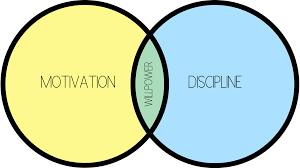
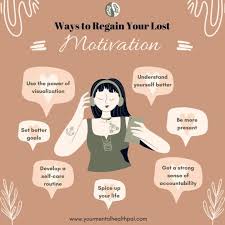
Motivation can feel like a fickle friend. Sometimes it’s there, strong and clear. Other times, it vanishes when you need it most.
Relying solely on motivation to get things done is a recipe for disaster. Especially when tackling tasks you’d rather avoid. This is where understanding your “why” becomes critical.
Why is this task important? What will happen if you complete it? What are the benefits?
Connect the task to your larger goals. If you’re writing a report for work, your “why” might be to get a promotion. Or to impress your boss.
Or simply to do a good job and feel proud of your work. Even small tasks have a purpose.
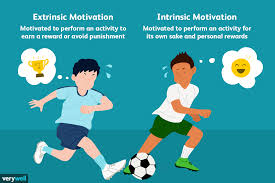
Sometimes, the “why” is simply to avoid negative consequences. The “why” for doing your taxes might be to avoid late fees and legal trouble. While not the most inspiring, this can be a powerful motivator.
Recognizing the unpleasant outcome of not doing something can spur you into action.
Another aspect of motivation is finding enjoyment. Can you make the task more interesting? Perhaps by listening to music?
Or by working with a friend? Sometimes, just framing the task differently helps. Instead of “I have to do X,” try “I get to do X.” This small shift in language can change your perspective.
It makes the task feel like an opportunity, not a burden.
Think about rewards. What will you give yourself when you finish a task? Or a significant part of it?
This could be a small treat, like a coffee break. Or watching an episode of your favorite show. Or spending time on a hobby.
Rewards act as positive reinforcement. They train your brain to associate completing tasks with pleasant outcomes.
It’s also important to celebrate small wins. Did you manage to work for 25 minutes without distraction? That’s a win!
Acknowledge it. Give yourself a little pat on the back. These small acknowledgments build confidence.
They create a positive feedback loop. This makes you more likely to repeat the behavior. It’s about building a sustainable system of motivation.
My Reward System Idea
For a big task:
- Milestone 1 (e.g., first draft complete): A nice dinner out.
- Milestone 2 (e.g., research complete): A new book or game.
- Milestone 3 (e.g., editing done): A weekend getaway.
For smaller tasks:
- Every hour of focused work: A 10-minute break to stretch or listen to a song.
- Task completed: A cup of your favorite tea or coffee.
Dealing with Mental Blocks and Perfectionism
Sometimes, the biggest obstacle isn’t the task itself. It’s what’s going on in our heads. Perfectionism is a common trap.
The fear of not doing something perfectly can stop us from doing it at all. We want everything to be just right. So, we delay starting.
We keep tweaking. We never feel ready to finish.
The first step is to recognize perfectionism. Is it serving you, or hindering you? Often, striving for “good enough” is far more productive than chasing an impossible “perfect.” Remember that done is better than perfect.
Especially when “perfect” means “never finished.” Allow yourself to be imperfect. Especially in the early stages of a task.
Focus on progress, not perfection. Each step you take is progress. Even if it’s not the most elegant step.
It moves you forward. It gets you closer to completion. Think of it like learning to ride a bike.
You don’t get on and ride perfectly. You wobble. You might fall.
But you get back up. You keep trying. Each attempt is progress.
What about mental blocks? Those moments where your mind goes blank? This can happen when you’re tired.
Or stressed. Or just hitting a wall. When this happens, don’t force it.
Trying to push through can make it worse. Instead, step away. Take a short walk.
Listen to music. Do something completely different for a few minutes.
Sometimes, talking about the problem helps. Explain what you’re stuck on to a friend or colleague. Even if they don’t have a solution, the act of verbalizing it can clarify your thoughts.
You might find your own answer as you speak. Or they might ask a question that sparks a new idea.
Another useful strategy is to change your perspective. Imagine someone else had this task. What advice would you give them?
Often, we are much kinder and more practical with others than we are with ourselves. This external perspective can be incredibly valuable.
Finally, remember that these are common struggles. You’re not alone in facing perfectionism or mental blocks. Most people experience them.
The key is not to avoid them entirely. It’s to develop strategies to work through them. To keep moving forward, even when it’s difficult.
Perfectionism vs. Excellence
Perfectionism:
- Fear of making mistakes.
- Focus on flaws.
- Unrealistic standards.
- Can lead to delay and inaction.
Excellence:
- Striving for high quality.
- Focus on improvement.
- Realistic standards.
- Encourages action and completion.
The Role of Self-Compassion in Overcoming Procrastination
We often beat ourselves up when we procrastinate. We call ourselves names. We feel ashamed.
This negative self-talk is actually counterproductive. It doesn’t motivate us. It makes us feel worse.
And when we feel worse, we are more likely to avoid tasks that trigger those bad feelings.
This is where self-compassion comes in. It means treating yourself with the same kindness and understanding you would offer a friend. When a friend is struggling, you don’t berate them.
You offer support. You acknowledge their difficulty. You encourage them.
You should do the same for yourself.
When you notice yourself procrastinating, pause. Instead of thinking, “I’m so lazy,” try thinking, “This task feels difficult right now. It’s okay to feel that way.
What’s one small thing I can do to move forward?” Acknowledging the difficulty is not an excuse to give up. It’s an honest assessment.
Self-compassion involves recognizing that struggle is part of the human experience. Everyone procrastinates sometimes. Everyone faces challenges.
You are not an anomaly. This shared humanity can reduce feelings of isolation and shame. It allows you to approach your challenges with more openness.
It also means forgiving yourself for past procrastination. Dwelling on what you “should have” done doesn’t help. It just keeps you stuck in the past.
Focus on the present moment. What can you do now? What is the next best step?
Practicing self-compassion can actually make you more resilient. When you know that you won’t harshly judge yourself for setbacks, you’re more willing to try. You’re more willing to take risks.
This leads to more learning and growth. It’s a crucial component for long-term change. It’s the foundation upon which sustainable productivity is built.
Self-Compassion Practices
1. Mindful Awareness: Notice your self-critical thoughts without judgment.
2. Common Humanity: Remind yourself that struggles are universal.
3. Self-Kindness: Respond to your own suffering with warmth and understanding.
4. Self-Forgiveness: Let go of past mistakes and focus on present actions.
When to Seek Professional Help
For most people, procrastination is a manageable habit. We can implement strategies and improve. However, for some, procrastination is a symptom of deeper issues.
It can be linked to conditions like ADHD, anxiety disorders, or depression. In these cases, self-help strategies might not be enough.
If your procrastination is severe and persistent, it’s significantly impacting your life. If it’s causing major distress. If it’s affecting your relationships, your job, or your studies consistently.
It’s a good idea to talk to a professional. A therapist or counselor can help you identify the root causes.
They can offer tailored strategies and support. They might help you develop coping mechanisms. Or address underlying mental health concerns.
Sometimes, a professional can diagnose conditions like ADHD. They can then guide you toward appropriate treatments. This might include therapy, medication, or a combination of approaches.
Don’t feel ashamed if you need professional help. It’s a sign of strength to seek support. It shows you are committed to improving your well-being.
Many resources are available. Your doctor can be a good starting point. They can refer you to mental health specialists.
Remember, the goal is to live a fulfilling life. If procrastination is holding you back from that, seeking help is a positive and brave step. It’s about getting the right tools and support to overcome challenges that are holding you back.
It’s about ensuring you have the best chance to succeed.
Signs It Might Be More Than Just Procrastination
Severe Impact: Your procrastination causes significant problems in multiple areas of your life (work, school, relationships).
Emotional Distress: You experience intense guilt, anxiety, or sadness related to your procrastination.
Lack of Progress: Despite trying various strategies, you see little to no improvement.
Underlying Conditions: You suspect you might have conditions like ADHD, anxiety, or depression.
Difficulty Functioning: Procrastination makes it hard to perform basic daily tasks.
Quick Fixes and Sustainable Habits
It’s tempting to look for quick fixes for procrastination. Things that will magically make us productive. But most quick fixes are like putting a band-aid on a deeper issue.
They might offer temporary relief. But they don’t address the root causes.
True change comes from building sustainable habits. This means making small, consistent changes. Changes that you can maintain over time.
It’s about creating a system that supports your goals. Not just a one-time push. Think about building muscle at the gym.
You don’t get strong by lifting weights once. You get strong by going regularly.
So, what are some of these sustainable habits? One is consistent planning. Spend a few minutes each day or week planning what you need to do.
Another is regular reflection. Take time to see what worked and what didn’t. Adjust your approach as needed.
Building in breaks is also a habit, not just a quick relief. Regular, short breaks actually boost productivity. They prevent burnout.
They keep your mind fresh. Another habit is setting realistic expectations. Don’t try to do too much too soon.
Finally, remember to be patient with yourself. Building new habits takes time. There will be days when you slip up.
That’s okay. The key is not to let a slip-up derail your entire effort. Just get back on track with your next task or your next day.
Focus on making progress, not perfection. Celebrate the small victories along the way. These consistent, small efforts compound over time.
They lead to lasting change. This is how you truly overcome procrastination. By building habits that serve you long-term.
Not by looking for a magic bullet.
Sustainable Habits Checklist
Daily:
- Plan your top 1-3 priorities for the day.
- Take short, regular breaks.
Weekly:
- Review your progress from the past week.
- Plan your priorities for the upcoming week.
- Schedule time for rest and rejuvenation.
Ongoing:
- Practice self-compassion.
- Break down large tasks.
- Celebrate small wins.
Frequently Asked Questions
Why do I always wait until the last minute?
Waiting until the last minute, or procrastination, is often linked to how we manage emotions. Tasks that feel overwhelming, boring, or anxiety-inducing can trigger a desire to delay. This is because avoiding the task provides immediate relief from negative feelings, even though it creates more stress later on.
It’s a coping mechanism, not necessarily a sign of laziness.
How can I stop procrastinating on work projects?
To stop procrastinating on work projects, break them into smaller, manageable steps. Create a dedicated workspace free from distractions. Use time management techniques like the Pomodoro Technique.
Clearly define the “why” behind the project and set small rewards for completing milestones. Don’t aim for perfection early on; focus on progress.
Is procrastination a sign of a serious problem?
For many people, procrastination is a habit that can be managed with practical strategies. However, if your procrastination is severe, persistent, and causing significant distress or negatively impacting multiple areas of your life (work, relationships, health), it could be a symptom of underlying issues like ADHD, anxiety, or depression. In such cases, seeking professional help is recommended.
What’s the best way to get started on a task I dread?
When dreading a task, the best approach is to make starting as easy as possible. Break it down into the smallest possible first step. For example, if you need to write a paper, the first step might be just opening the document.
Or writing one sentence. Focus only on completing that tiny first step. This is often called the “two-minute rule” or “just start” method.
How does perfectionism relate to procrastination?
Perfectionism often fuels procrastination. The fear of not doing something perfectly can paralyze you. You might delay starting because you don’t feel you can meet your impossibly high standards.
This can lead to endless tweaking, second-guessing, and ultimately, not completing the task at all. Recognizing and challenging perfectionist thoughts is key.
Can I really overcome procrastination permanently?
Overcoming procrastination is more about managing it effectively than eliminating it entirely. It’s a skill that improves with practice. By understanding its roots, implementing helpful strategies, and practicing self-compassion, you can significantly reduce its impact on your life.
Focus on building sustainable habits rather than expecting to never procrastinate again.
Final Thoughts on Taking Action
Procrastination is a common hurdle, but it doesn’t have to define you. By understanding why it happens, you can start to change it. Breaking tasks down, creating a good environment, and being kind to yourself are powerful tools.
Remember to focus on small, consistent steps.
Celebrate your progress. Don’t let setbacks discourage you. You have the power to build better habits.
And to achieve your goals. Start today, with one small action. You’ve got this!