Setting effective goals involves making them clear, breaking them down into small steps, and tracking your progress. Focus on what you can control and be flexible when challenges arise. Consistency over intensity is key to long-term achievement.
Understanding Goal Setting
What are goals? They are aims. They are things you want to do.
Or things you want to have. Or things you want to become. Goals give your life direction.
They give you a reason to get up. They give you something to work toward. Without goals, life can feel aimless.
You might just drift along. Goals help you steer your own ship. They let you decide where you’re going.
Why is setting goals so important? It helps you focus. It gives you motivation.
It helps you measure your success. When you have a goal, you know what to do. You know what’s important.
This helps you say no to things that don’t matter. It helps you say yes to things that move you forward. It’s like having a map.
You know the destination. You can see the path.
How do goals work? They give you something to aim for. This creates a gap.
It’s the space between where you are now. And where you want to be. Your goal is the bridge.
Your actions are the steps across that bridge. Each step you take closes the gap. It brings you closer to your dream.
This feeling of progress is very rewarding. It keeps you going.
Think about learning to ride a bike. Your goal is to ride without falling. First, you might wobble.
You might need help. Your first steps are wobbly. You focus on keeping balance.
You might fall. But you get back up. You try again.
Each time, you get a little better. You ride a little further. This is goal setting in action.
It’s learning, trying, and doing.
My Own Goal Setting Stumbles
I remember trying to get fit a few years back. My goal was simple: lose weight. I thought, “I’ll just eat less and exercise more.” Easy, right?
Wrong. I’d start the week strong. I’d skip breakfast and go for a run.
By Wednesday, I was starving. I’d grab a big slice of pizza. Then I’d feel guilty.
The rest of the week was a mess. I’d tell myself, “I’ll start again Monday.” This happened for months. I felt so frustrated.
My big goal felt impossible. I was stuck in a cycle of trying and failing. It was annoying.
I felt like I wasn’t strong enough.
One evening, after a particularly bad pizza binge, I sat on my couch. The TV was on, but I wasn’t watching. I felt defeated.
Why was this so hard? Then it hit me. My goal was too big.
“Lose weight” is huge. It doesn’t tell me how to do it. It’s not specific.
I realized I needed to change how I thought about goals. I needed smaller steps. I needed a clearer plan.
That night, I didn’t make a grand new goal. I just decided to try one small thing differently the next day. I decided to add one glass of water before each meal.
It seemed tiny. But it was a start. It was a step on a clearer path.
That small change felt good. It was manageable. It didn’t feel overwhelming.
It showed me that big goals don’t have to be tackled all at once. They can be broken down. This was a lightbulb moment for me.
It changed how I approach everything I want to achieve. From learning new skills to managing my home. The key wasn’t just wanting something.
It was learning how to plan for it.
Smart Goal Setting Tips
Specific: What exactly do you want to do?
Measurable: How will you know when you’ve reached it?
Achievable: Is it possible for you to do?
Relevant: Does it matter to you?
Time-bound: When will you do it by?
SMART Goals: A Clearer Path
The best way to set goals is using a method. One popular method is called SMART. It’s an acronym.
Each letter stands for something important. This helps make your goals clear. It makes them easier to achieve.
Let’s break it down.
S is for Specific. Your goal needs to be clear. Instead of “get healthier,” try “walk 30 minutes every day.” This tells you exactly what to do. It leaves no room for guessing.
What do you want to achieve? Who needs to be involved? Where will it happen?
Why is this goal important?
M is for Measurable. You need to be able to track your progress. How will you know you are getting closer? For the walking goal, you can track it with a fitness app.
Or a simple note on a calendar. This shows you how far you’ve come. It also shows you how far you have left to go.
Numbers help a lot here. How much? How many?
What results can I see?
A is for Achievable. Your goal should be realistic. It should be something you can actually do. If you’ve never run before, running a marathon next week is not achievable.
Start with smaller steps. Maybe walk for 10 minutes. Then build up.
Ask yourself: Is this goal possible for me? Do I have the skills or resources needed?
R is for Relevant. Your goal should matter to you. It should fit with your life. And your other goals.
If your main goal is to save money, learning a new hobby that costs a lot isn’t relevant. Ask: Does this goal align with my values? Does it make sense for me right now?
T is for Time-bound. You need a deadline. This creates urgency. It helps you plan.
Without a deadline, goals can drag on forever. Or never get started. Give your goal an end date.
For example, “I will walk 30 minutes every day for the next 30 days.” This makes it concrete.
Using SMART goals helps you avoid vague dreams. It turns them into actionable plans. This is super helpful.
It makes the big picture much less scary. You focus on the next step. Not the whole mountain.
SMART Goal Example Breakdown
Goal: Save $1000 for a vacation.
- Specific: Save $1000 in cash.
- Measurable: Track savings in a separate account.
- Achievable: By saving $100 per month for 10 months.
- Relevant: For a vacation planned in one year.
- Time-bound: Within the next 10 months.
Breaking Down Big Goals
Big goals can feel overwhelming. Like looking at a giant puzzle. You see all the pieces.
But you don’t know where to start. The trick is to break it down. Think of a huge project at work.
You don’t do it all at once. You divide it into smaller tasks. Each task is more manageable.
Goals work the same way.
Imagine your goal is to write a book. That’s a massive undertaking. How do you start?
You don’t just sit down and write the whole book. First, you might brainstorm ideas. Then, you create an outline.
Next, you might write one chapter. Or even just one page a day. Each of these is a smaller goal.
Each small goal you achieve builds momentum. It gives you a sense of accomplishment. This keeps you motivated.
It’s like climbing stairs. You don’t jump to the top floor. You take one step at a time.
Each step gets you higher. Each step is progress. These small wins are important.
They prove to yourself that you can do it.
Think about learning a new language. Your big goal might be to speak fluently. You don’t learn all the words at once.
You start with basic greetings. Then you learn simple sentences. You practice these daily.
Then you add more words. And more grammar. Each lesson is a smaller step.
Each mastered phrase is a win. This makes the big goal feel much closer.
How do you break down a goal? Ask yourself: What is the very first thing I need to do? What comes after that?
Keep asking these questions. Write down the steps. Make a list.
This list becomes your roadmap. It shows you the way forward. Even when the final destination seems far away.
This is where practical planning really shines.
Actionable Steps for Your Goal
Step 1: Research and gather information.
Step 2: Create a detailed plan or outline.
Step 3: Dedicate specific time blocks for work.
Step 4: Seek feedback or expert advice.
Step 5: Review and adjust your plan as needed.
Staying Motivated
Motivation is a funny thing. Sometimes it’s high. Sometimes it’s low.
It’s not a constant. Relying only on motivation to achieve goals is risky. What happens when it dips?
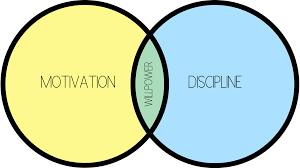
You stop. That’s why discipline is also important. But motivation can still be a powerful ally.
We can learn how to keep it alive.
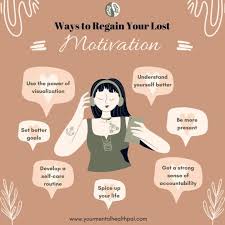
One way to stay motivated is to remind yourself why. Why did you set this goal in the first place? What is the benefit?
What will change in your life? Write down your reasons. Keep them somewhere you can see them often.
Maybe on your fridge. Or as your phone background. When motivation is low, read your reasons.
Let them reignite your drive.
Celebrate small wins. Did you complete a tough task? Did you stick to your plan for a week?
Give yourself a reward. This doesn’t have to be big. It could be watching an episode of your favorite show.
Or enjoying a nice cup of coffee. These small celebrations make the journey more pleasant. They show you that your effort is worth it.
Find an accountability partner. This is someone you trust. You share your goals with them.
They check in on your progress. Knowing someone else is watching can be a great motivator. They can offer support.
They can also help you see things clearly when you’re feeling stuck. Just talking about your struggles can help.
Visualize your success. Imagine yourself having achieved your goal. How does it feel?
What does it look like? This mental image can be very powerful. It makes the goal feel more real.
It makes it more desirable. See yourself enjoying the benefits. Feel the pride.
This positive reinforcement fuels your desire.
Don’t be afraid to adjust your plan. Sometimes, your original plan won’t work. Or life throws you a curveball.
This doesn’t mean you failed. It means you need to adapt. Be flexible.
Find a new way forward. This is part of the process. It shows resilience.
Resilience is key to long-term success. It’s not about never falling. It’s about getting back up.
Motivation Boosters
Visual Reminders: Keep your goals visible.
Rewards: Celebrate milestones, big or small.
Support System: Connect with friends or mentors.
Positive Self-Talk: Encourage yourself through challenges.
Variety: Change up your routine to prevent boredom.
Dealing with Setbacks
Setbacks are a normal part of life. And they are a normal part of working towards goals. Nobody achieves everything perfectly.
There will be days when you slip up. Or things just don’t go as planned. This is okay.
It’s not the end of the world. Or the end of your goal.
When a setback happens, the first thing to do is not panic. Take a deep breath. Remind yourself that this is a temporary problem.
It doesn’t define your entire journey. Think about what happened. What went wrong?
Was it a mistake you made? Or was it something outside of your control?
Avoid negative self-talk. Telling yourself “I’m so bad at this” or “I’ll never succeed” won’t help. It will only make you feel worse.
And less likely to try again. Instead, try to be kind to yourself. Acknowledge that it was tough.
But focus on moving forward. Think of it as a learning experience.
Analyze the setback. What can you learn from it? Did you try to do too much too soon?
Did you not plan well enough? Did you need more support? Use this information to adjust your plan.
Make changes that will help you avoid the same problem in the future. This turns a failure into a valuable lesson.
Get back on track as soon as possible. Don’t let one bad day turn into a week of missed efforts. If you missed a workout, just do it tomorrow.
If you ate something unhealthy, get back to your healthy eating plan at the next meal. The sooner you restart, the easier it is to regain your rhythm.
Remember your “why.” When you face a setback, it’s easy to forget why you started. Reconnect with your original reasons. Remind yourself of the benefits.
This can give you the strength to push through the difficult times. It’s about perseverance. It’s about not giving up when things get tough.
Setback Survival Guide
Pause and Breathe: Don’t react immediately.
Analyze: Understand what happened without blame.
Learn: Extract lessons for future plans.
Re-plan: Adjust your strategy based on new insights.
Restart: Get back to your routine promptly.
Tracking Your Progress
How do you know if you’re succeeding? You track your progress. This is crucial for several reasons.
It shows you how far you’ve come. It helps you see what’s working. And what’s not.
It keeps you motivated. And it allows you to make smart adjustments.
Choose a tracking method that works for you. For some people, a simple notebook is perfect. They write down daily achievements.
For others, a spreadsheet is better. They can input numbers and see trends. There are also many apps available.
These can track fitness, finances, habits, and more. Pick something you will actually use.
Be consistent with your tracking. Make it a habit. Just like working on your goal.
If you’re supposed to track daily, do it daily. If it’s weekly, stick to that schedule. Irregular tracking makes it hard to see patterns.
It can lead to missed insights. Or a false sense of progress.
Look at your tracking data regularly. Don’t just record it and forget it. Set aside time each week.
Or each month. To review your progress. What do the numbers tell you?
Are you on track? Are you falling behind? Is a certain strategy not yielding results?
Use your tracking to make informed decisions. If you see that a certain part of your plan isn’t working, change it. Don’t keep doing something that isn’t getting you closer to your goal.
Tracking helps you identify these areas. It empowers you to make changes. This is how you optimize your efforts.
Seeing progress, even small progress, is a powerful motivator. When you look back at your tracker and see how far you’ve come, it’s encouraging. It reminds you of your capabilities.
It makes you want to keep going. It fuels your commitment. Tracking is more than just data collection.
It’s a tool for success.
Progress Tracking Tools
Notebooks/Journals: For manual logging of tasks and feelings.
Spreadsheets (Excel/Google Sheets): For numerical data and trend analysis.
Dedicated Apps: Habit trackers, fitness logs, budgeting tools.
Calendars: Marking completed tasks or milestones.
Visual Charts: Creating graphs of your progress.
Common Pitfalls to Avoid
Even with the best intentions, many people fall into common traps. These can derail even the most well-planned goals. Being aware of them is the first step to avoiding them.
Vague Goals: We touched on this with SMART goals. Goals like “be happy” or “get rich” are too broad. They lack direction and are hard to measure.
Always aim for specificity.
Too Many Goals at Once: Trying to change everything at once is a recipe for disaster. You spread yourself too thin. You end up not making progress on any of them.
Focus on one or two key goals until you’ve made significant headway.
Unrealistic Expectations: Expecting overnight success can lead to disappointment. Building new habits or achieving big things takes time. Be patient with yourself and the process.
Not Planning for Obstacles: Life is unpredictable. Things will go wrong. If you haven’t thought about potential challenges, a small hiccup can feel like a roadblock.
Lack of Flexibility: Sticking rigidly to a plan that isn’t working is counterproductive. Be willing to adapt your approach when needed.
Ignoring Small Progress: You might focus only on the final outcome. And miss the important small wins along the way. These small victories are essential for motivation.
Not Reviewing or Adjusting: Goals aren’t set in stone. Your priorities might change. Or you might learn new information.
Regularly review your goals and adjust them as needed.
Pitfall Avoidance Checklist
- Is my goal Specific?
- Am I focusing on 1-2 key goals?
- Are my expectations realistic?
- Have I considered potential challenges?
- Am I open to changing my plan?
- Am I celebrating small wins?
Putting It All Together: A Practical Example
Let’s imagine someone named Sarah. Her goal is to start a side hustle. She wants to sell handmade jewelry online.
This is her big dream. She knows she needs a plan.
First, Sarah makes her goal SMART.
- Specific: Launch an online shop selling my handmade earrings on Etsy.
- Measurable: Make and list 10 pairs of earrings. Get my first 5 sales.
- Achievable: I have the skills to make earrings. I can dedicate 5 hours a week.
- Relevant: I love making jewelry and want extra income.
- Time-bound: Launch the shop within 3 months.
Next, Sarah breaks it down into smaller steps.
- Month 1: Research Etsy, pricing, materials. Buy supplies. Make 10 pairs.
- Month 2: Take good photos. Write product descriptions. Set up Etsy shop.
- Month 3: List products. Promote on social media. Aim for first sales.
Sarah’s motivation comes from her passion for jewelry. She also sets up a small reward system. If she lists 5 pairs of earrings, she’ll buy a new bead kit.
She tells her friend, Mark, about her goal. Mark agrees to check in with her weekly.
Sarah might face setbacks. Maybe her camera battery dies. Or maybe she doesn’t get sales right away.
If her camera dies, she’ll borrow one from Mark. If sales are slow, she’ll research more marketing tips on Etsy forums. She’ll adjust her strategy.
She’ll keep trying.
She uses a simple notebook to track her progress. She notes when she makes jewelry, lists items, and when she makes a sale. Seeing the list grow helps her stay motivated.
She also reviews her notes weekly to see what’s working.
By following these steps, Sarah turns a big dream into a manageable project. She uses clear planning, motivation, and a way to handle problems. This makes her goal much more likely to be achieved.
Sarah’s Goal Action Plan Summary
Overall Goal: Launch handmade jewelry shop on Etsy.
Timeline: 3 Months.
Key Actions: Research, Create, Photograph, List, Promote.
Support: Accountability with friend Mark.
Progress Tracking: Notebook journal.
When Goals Become Habits
The ultimate goal is often for our efforts to become habits. Habits are actions we do without thinking. They are automatic.
When a goal becomes a habit, achieving it becomes much easier. You don’t need as much willpower.
How does this happen? It’s a process. It starts with conscious effort.
You have to think about what you’re doing. You focus your energy. This is where your initial goal setting and planning come in.
You’re building the structure.
As you repeat the action consistently, your brain starts to form connections. It creates a pathway. The more you repeat the action, the stronger that pathway becomes.
Eventually, the action becomes automatic. It requires less conscious thought. It feels natural.
This takes time. Experts say it can take anywhere from 18 to 254 days for a new behavior to become a habit. The average is around 66 days.
So, be patient. Stick with it even when it feels difficult at first. This is the bridging phase.
Linking your new action to an existing habit can help. For example, if you want to meditate daily, link it to something you already do. “After I brush my teeth, I will meditate for 5 minutes.” The existing habit acts as a trigger for the new one.
Making the habit easy to do also helps. Remove barriers. If you want to exercise in the morning, lay out your workout clothes the night before.
If you want to eat healthier, prep your meals in advance. Reduce the effort required.
Once something becomes a habit, it’s much easier to maintain. You don’t have to constantly make a decision. You just do it.
This frees up your mental energy. It allows you to focus on new goals. Or on refining existing habits.
Habit Formation Steps
Cue: Trigger the habit.
Craving: Feel the desire for the outcome.
Response: Perform the action.
Reward: Enjoy the benefit.
FAQ: Your Goal Setting Questions Answered
What’s the difference between a goal and a wish?
A goal is a specific, actionable plan with measurable outcomes and a timeframe. A wish is a desire that lacks a clear plan or commitment to achieve it. Goals require action; wishes are just hopes.
How often should I review my goals?
It’s good to review your goals regularly. A quick daily check-in on your to-do list is helpful. A deeper weekly review to assess progress and plan for the next week is also important.
Monthly and quarterly reviews ensure your goals remain relevant.
What if I have too many things I want to achieve?
It’s common to have many aspirations! The key is prioritization. Identify your most important goals for this period.
Focus on achieving one or two at a time. Once those are accomplished or well underway, you can move on to others. Trying to do too much can lead to burnout.
Can I change my goals once I’ve set them?
Absolutely! Life is dynamic. Your priorities might shift, or you might learn new information.
It’s wise to reassess your goals periodically. If a goal no longer serves you, or if circumstances change, it’s perfectly fine to adjust or even abandon it. The important thing is to be intentional about your choices.
How do I stay motivated when things get boring?
Find ways to make the process more interesting. Introduce variety into your routine. Set mini-challenges or rewards for completing specific stages.
Remind yourself of the bigger picture and the benefits of achieving your goal. Sometimes, just pushing through the “boring” phase is what builds true discipline.
Is it better to set short-term or long-term goals?
Both are important! Long-term goals provide direction and vision. Short-term goals break down the journey into manageable steps.
They provide quick wins and maintain motivation. A good strategy is to have a clear long-term vision and then set a series of short-term goals that lead you there.
Conclusion
Setting and achieving goals is a skill. It’s one you can learn and improve. By using clear methods like SMART goals, breaking them down, and staying motivated, you can turn your dreams into reality.
Remember to be kind to yourself, celebrate your wins, and learn from any setbacks. Your journey starts now.