We all want to get things done. We want to feel excited about our goals. But sometimes, the drive just isn’t there. This post will shed some light on what really fuels our actions. We’ll break down what makes people tick. You’ll learn about the engines that push us forward. We’ll cover why some tasks feel easy and others are a real grind.
Motivation is the force that starts and guides our behavior. It’s what pushes us to reach goals. It covers our needs, desires, and goals. It also explains why we do what we do. Understanding this helps us achieve more. It also makes life feel more rewarding.
What is Motivation?
Motivation is a big word. It can mean many things. At its heart, it’s the reason behind our actions. Think of it as the engine that drives us. It’s what gets us out of bed. It’s what makes us finish a tough project. It’s also what makes us go the extra mile.
It’s not just about wanting something. It’s about the process that leads us there. This process includes biological, emotional, and social factors. These factors all play a role. They push us towards a specific action. This action often aims to satisfy a need or achieve a goal.
The science behind motivation is complex. It involves many parts of our brain. Neurotransmitters like dopamine are key players. They signal reward and pleasure. This can make us want to repeat certain actions. Our hormones also play a part. Stress hormones can push us to act. Other hormones can calm us down.
Our past experiences shape us. What we learned as children matters. Our culture also influences us. What is seen as good or bad changes. All these things mix together. They create our personal drive. They shape what makes us want to move.
Types of Motivation
There are two main types of motivation. They are called intrinsic and extrinsic. These two forces push us in different ways. Understanding them helps us see why we do things.
Intrinsic vs. Extrinsic Motivation
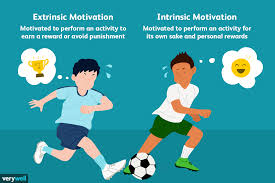
Intrinsic Motivation: This comes from within you. You do something because you enjoy it. It feels good to do it. The activity itself is the reward. Think of a hobby you love. You do it for fun. You don’t need praise. You don’t need a prize.
Extrinsic Motivation: This comes from outside you. You do something to get a reward. Or you do it to avoid punishment. Money, grades, or praise are examples. These are external factors. They push you to act.
Intrinsic motivation is often stronger. It lasts longer. It makes us feel happier. When we do things we love, we get better at them. We feel more fulfilled. We don’t get tired of them as easily. This type of drive is like a steady flame.
Extrinsic motivation can be useful too. It can get us started. It’s good for tasks we don’t enjoy. It can help us reach short-term goals. But relying only on external rewards can be tricky. It can make us lose our inner drive. We might start doing things just for the prize.
Many actions use both types. For example, a student might study hard. They love learning new things (intrinsic). They also want to get good grades (extrinsic). Both push them to keep going.
The Science Behind Motivation
Our brains are wired for motivation. Key brain areas work together. The limbic system is one part. It handles emotions and rewards. The prefrontal cortex is another. It helps us plan and make decisions.
Dopamine is a famous chemical here. It’s often called the “feel-good” chemical. But it’s more than that. Dopamine signals anticipation of reward. It makes us seek out things that are good for us. It plays a role in learning. It helps us associate actions with positive outcomes.
When you achieve something, dopamine spikes. This feels good. Your brain then tries to remember what you did. It wants you to do it again. This is how habits form. It’s also how we learn to seek out rewards.
Other brain chemicals are involved. Serotonin affects mood. Norepinephrine helps with alertness. Even our hormones play a part. Cortisol, the stress hormone, can spur us into action. But too much stress can drain our motivation.
Our needs are also very important. We have basic needs like food and water. These are survival needs. When these are not met, our motivation focuses there. Maslow’s Hierarchy of Needs explains this. It shows how different needs drive us.
Levels of Motivation
- Physiological Needs: Like breathing, food, water. These come first.
- Safety Needs: Like security, health.
- Love and Belonging: Friends, family, intimacy.
- Esteem Needs: Confidence, respect.
- Self-Actualization: Reaching your full potential.
According to Maslow, we focus on lower needs first. Once those are met, higher needs become motivators.
Understanding these biological and psychological drivers is key. It helps explain why we feel motivated. It also shows why we sometimes don’t.
Personal Experience: The Late-Night Project
I remember a time I was working on a big presentation. It was for a new client. I had a tight deadline. It was late, maybe 11 PM. The office was quiet. I was staring at my screen. The words just weren’t coming. I felt drained. My eyes felt heavy.
I had a deadline looming. This should have pushed me. But I felt zero drive. I was just tired. The thought of making more calls or writing more words seemed impossible. I felt a wave of panic. What if I couldn’t finish it? This client was important.
I stood up and walked around. I looked out the window. The city lights were bright. It made me feel even smaller. I knew I needed a change. I decided to take a short break. I made a cup of tea. I played some upbeat music. Just for ten minutes. It wasn’t a huge change. But it helped shift my mood.
When I came back, things felt different. I reread my notes. I broke the task into smaller steps. Instead of “finish presentation,” I focused on “write introduction.” This felt doable. The anticipation of finishing was still there. But now it was tied to smaller wins.
Slowly, the words started to flow. The music helped me focus. The smaller steps made it less scary. I realized my motivation wasn’t gone. It was just buried under fatigue. And the task felt too big. By breaking it down and changing my environment, I found my drive again.
It showed me that motivation isn’t constant. It ebbs and flows. And sometimes, it needs a little nudge. It doesn’t always come from big rewards. Sometimes, it’s just about making the next step feel possible.
Motivation in Everyday Life
Motivation touches every part of our lives. It’s not just for big goals. It’s in the small choices we make daily. Why do we choose to eat healthy? Why do we go for a walk? Why do we clean our house?
For kids, motivation looks different. They are driven by play and curiosity. They learn best when it’s fun. Rewards can work, but intrinsic interest is best. Parents and teachers often try to spark this. They create engaging activities. They offer choices.
In our personal lives, motivation helps us. It helps us pursue hobbies. It helps us build relationships. It helps us learn new skills. It fuels our personal growth. When we feel good about ourselves, we are more motivated.
Motivation Factors for Adults
Sense of Purpose: Knowing why you’re doing something matters.
Autonomy: Having control over your work or life.
Mastery: Getting better at something you care about.
Connection: Feeling part of a team or community.
Recognition: Being acknowledged for your efforts.
Think about a time you learned to ride a bike. At first, it was scary. You fell. But you wanted to ride. The joy of movement was the goal. Maybe your parents cheered you on (extrinsic). But the feeling of freedom was the real driver (intrinsic).
Motivation also helps us overcome challenges. When things are tough, our drive can keep us going. It’s what makes us try again after failure. It’s what makes us push through discomfort. This resilience is linked to our internal motivation.
Motivation in the Workplace
Motivation is crucial at work. It affects how much people do. It affects the quality of their work. It also affects how happy they are at their job. Companies spend a lot of time thinking about this.
For employees, good motivation means feeling valued. It means having clear goals. It means having opportunities to grow. When people feel their work matters, they are more motivated. They are more likely to stay with the company.
Managers play a big role. They can create a positive work environment. They can offer support. They can give praise. They can set clear expectations. They can also provide chances for employees to learn and advance.
Some companies use bonuses or pay raises. These are extrinsic motivators. They can work in the short term. But they might not make people love their jobs. Often, intrinsic factors are more powerful for long-term engagement. Things like having interesting work, feeling respected, and having a voice.
Workplace Motivation Strategies
Clear Goals: Everyone knows what success looks like.
Feedback: Regular, helpful comments on performance.
Growth Opportunities: Chances to learn new skills.
Recognition: Appreciating good work publicly or privately.
Autonomy: Letting employees have some say in how they work.
The best workplaces focus on both intrinsic and extrinsic factors. They try to make the work itself rewarding. They also offer fair pay and benefits. This creates a balanced approach. It helps keep employees engaged and happy.
A common mistake is to only focus on money. While pay is important, it’s not the only thing. People want to feel like their work matters. They want to feel respected. They want to learn and grow. These are powerful drivers.
How Motivation Works in Children
Understanding how motivation works in children is key for parents and educators. Young children are naturally curious. They want to explore the world. This is their intrinsic motivation at play. They learn by playing. They learn by trying things out.
As children grow, external factors start to play a role. Praise from parents. Good grades in school. These can be motivators. However, it’s important to balance this. Over-reliance on external rewards can sometimes dampen internal interest. For example, if a child only reads books for a sticker chart, they might not develop a love for reading itself.
The goal is to foster intrinsic motivation. This means making learning fun. It means letting kids explore their interests. It means celebrating effort, not just outcomes. When kids feel a sense of competence and autonomy, they are more likely to be motivated.
Providing choices is also a great strategy. Offering two healthy snacks instead of one choice. Letting them pick which book to read aloud. These small acts give them a sense of control. This boosts their willingness to engage.
When children face challenges, support is vital. Instead of saying “You’re so smart,” try “You worked really hard on that.” This focuses on effort. It teaches them that challenges can be overcome. It builds resilience.
Social motivation is also important. Children want to please their parents. They want to fit in with friends. They like feeling part of a group. This can be a strong motivator for positive behavior and learning.
Sparking Motivation in Kids
Follow Their Lead: Let them explore what interests them.
Make it Playful: Turn learning into a game.
Celebrate Effort: Praise hard work and persistence.
Offer Choices: Give them some control over tasks.
Connect to Real Life: Show them why what they’re learning matters.
The key is to create an environment where children feel safe to try. Where they feel supported. Where learning feels like an adventure, not a chore. This sets them up for lifelong learning and success.
Factors That Influence Motivation
Motivation isn’t a single switch. Many things can affect it. Some are internal. Some are external. Understanding these factors helps us manage our own drive.
Goals: Clear, achievable goals are powerful motivators. Vague goals are hard to aim for. Goals that are too difficult can be discouraging.
Beliefs: What you believe about yourself matters. If you think you can do something, you’re more likely to try. This is called self-efficacy. Your past successes and failures shape these beliefs.
Environment: The people around you and your surroundings have an impact. A supportive environment can boost motivation. A negative or distracting one can lower it.
Rewards: As we’ve seen, rewards can motivate. But the type of reward and how it’s given matters. Tangible rewards like money can be effective. But so can intangible rewards like praise or recognition.
Emotions: How you feel affects how motivated you are. Feeling happy and excited can increase drive. Feeling sad or anxious can decrease it. Managing your emotions is part of managing your motivation.
Habits: Good habits can create momentum. They make it easier to start tasks. They reduce the need for constant decision-making. They can automate motivated behavior.
Values: What you value in life is a core motivator. If you value health, you’ll be motivated to exercise. If you value learning, you’ll be motivated to read. Aligning your actions with your values creates strong drive.
Quick Scan: Motivation Boosters
| Factor | Impact | How to Use |
|---|---|---|
| Clear Goals | High | Make them SMART: Specific, Measurable, Achievable, Relevant, Time-bound. |
| Positive Self-Talk | Medium | Challenge negative thoughts. Focus on what you can control. |
| Supportive Friends | High | Share your goals. Ask for encouragement. |
| Small Wins | High | Break big tasks down. Celebrate progress. |
| Rewards | Medium | Use them for specific achievements. Make them meaningful. |
Even external events can influence us. A news story might inspire us. A friend’s success can motivate us. Conversely, seeing others struggle might make us appreciate our own situation more.
Maintaining Motivation Over Time
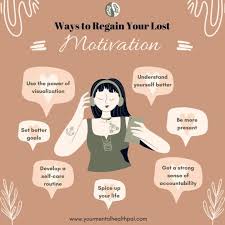
Keeping motivation high is a challenge. It’s not a one-time fix. It requires ongoing effort. Here are some ways to sustain your drive:
Review Your Goals: Look at your goals often. Are they still relevant? Do they still excite you? Adjust them if needed. This keeps them fresh and meaningful.
Celebrate Milestones: Don’t wait until the very end. Acknowledge your progress along the way. This provides positive reinforcement. It reminds you of what you’ve achieved.
Find an Accountability Partner: Share your goals with someone. They can check in on you. They can offer encouragement. This social connection can be a powerful motivator.
Vary Your Routine: Doing the same thing every day can lead to boredom. Change your approach. Try a new method. Work in a different location. This can re-energize your motivation.
Focus on the Process, Not Just the Outcome: Enjoy the journey. Learn from the challenges. When you focus only on the end result, the middle part can feel like a chore.
Learn and Grow: Keep seeking new knowledge. Learn new skills related to your goals. This sense of progress fuels motivation. It keeps things interesting.
Practice Self-Compassion: You won’t always be motivated. There will be days when you feel down. Don’t beat yourself up. Be kind to yourself. Accept that motivation fluctuates. Then, gently guide yourself back on track.
Maintaining Momentum
Regular Check-ins: Schedule time to review your progress.
Positive Affirmations: Remind yourself of your strengths.
Seek Inspiration: Read books, listen to podcasts, or watch talks.
Reward Yourself: Small treats for reaching mini-goals.
Rest and Recharge: Burnout kills motivation. Make sure you get enough sleep.
It’s also important to remember why you started. What was your original motivation? Connecting back to that initial spark can be very powerful. It helps you re-center and recommit.
What This Means for You
Understanding how motivation works is not just academic. It has real-world impact. It helps you understand yourself better. It helps you understand others.
For personal goals, like getting fit or learning a new language, knowing about intrinsic versus extrinsic drives can guide your approach. Lean into the parts you enjoy. Find ways to make the less enjoyable parts more rewarding.
In your career, recognizing what motivates you can help you find more fulfilling work. It can also help you ask for what you need from your employer. Things like more challenging projects or opportunities for growth.
For parents and educators, this knowledge is invaluable. It helps create environments where children can thrive. It fosters a love of learning. It builds confidence and resilience.
When motivation feels low, it’s not a personal failing. It’s a sign that something needs attention. Maybe your goals are unclear. Maybe you need more support. Maybe you need a break. It’s an invitation to explore what’s going on.
You can learn to manage your motivation. You can become more effective. You can achieve more of what you want. It starts with understanding the forces that drive you.
Quick Fixes & Tips
Sometimes you just need a quick boost. Here are some simple tips:
Set Tiny Goals: Aim for something very easy to start. Like “write one sentence.” This creates immediate momentum.
Change Your Scenery: Move to a different room or go outside. A new environment can refresh your mind.
Listen to Music: Upbeat music can boost energy and focus.
Get Moving: A short walk or some stretching can wake up your body and brain.
Visualize Success: Imagine yourself achieving your goal. How does it feel?
Remind Yourself of Your “Why”: Reconnect with your deeper reasons for pursuing a goal.
Frequently Asked Questions
What is the main difference between intrinsic and extrinsic motivation?
Intrinsic motivation comes from within, meaning you do something because you enjoy it or find it personally satisfying. Extrinsic motivation comes from external factors, like rewards or avoiding punishment.
Can motivation be learned or developed?
Yes, motivation can be influenced and developed. While some people may have a naturally higher drive, strategies like setting clear goals, fostering intrinsic interest, and practicing self-discipline can help build and maintain motivation over time.
Why do I lose motivation after starting strong?
This often happens when initial excitement fades, the task becomes harder than expected, or external rewards are not enough. It can also be due to burnout, unclear goals, or a lack of perceived progress. Re-evaluating your goals and breaking them into smaller steps can help.
How does dopamine affect motivation?
Dopamine is a neurotransmitter associated with the brain’s reward system. It plays a key role in motivation by signaling the anticipation of reward, driving us to seek out pleasurable experiences and repeat behaviors that lead to positive outcomes.
Is it better to be intrinsically or extrinsically motivated?
While both have their place, intrinsic motivation is generally considered more sustainable and leads to greater satisfaction and long-term engagement. Extrinsic motivation can be useful for getting started or for tasks that are less enjoyable.
How can I motivate my children effectively?
Focus on fostering their natural curiosity and interests. Make learning playful, celebrate effort and progress, offer choices, and connect activities to their real-world experiences. This helps build their intrinsic drive.
What’s the role of mindset in motivation?
A growth mindset, the belief that abilities can be developed through dedication and hard work, is crucial. People with a growth mindset see challenges as opportunities to learn and grow, which fuels their motivation to persevere.
Conclusion
Motivation is a powerful force. It drives our actions. It shapes our lives. By understanding its different forms and influences, we can harness it better. Whether for ourselves, our children, or our work, we can learn to stay inspired longer.