Feeling stuck? You know you need to do something. Maybe it’s that workout, that big project, or just tidying up.
But the feeling just isn’t there. You wait for that spark of motivation, but it never seems to show up. It’s frustrating, right?
You’re not alone. Many people wrestle with this feeling. They think motivation is the magic key.
But what if there’s a better way? A way that doesn’t rely on a fleeting feeling. Let’s dive into the real power behind getting things done.
Discipline is the choice you make between what you want right now and what you want most. It’s not about feeling like doing something. It’s about doing it anyway.
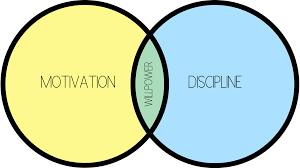
Motivation is a feeling that comes and goes. Discipline is a habit you build.
What’s the Big Idea Behind Discipline vs Motivation?
Think about it like this. Motivation is like a burst of energy. It feels great when it hits.
You might feel excited to start a new diet when you see a success story. Or you might feel eager to clean your house after watching a home organizing show. This energy helps you take that first step.
It’s what gets you going.
But motivation is tricky. It’s a feeling. And feelings change.
One day you feel on top of the world. The next day, you feel tired or uninspired. When motivation dips, your drive can vanish.
That’s when you might skip the gym or put off that important task. You’re waiting for the feeling to return. But it often doesn’t, or at least not when you need it.
This is where discipline steps in. Discipline is not about feelings. It’s about action.
It’s about making a decision and sticking to it. Even when you don’t feel like it. It’s like a reliable engine.
It keeps going even if the weather is bad. Discipline is the force that makes you show up. It’s the commitment to your goals.
It’s doing the hard work. It’s pushing through when things get tough.
Many people think you need motivation to start. Then, discipline takes over. But that’s not always true.
Often, the act of doing the task (discipline) is what creates the motivation. It’s a bit of a puzzle, but it makes sense when you think about it.
My Own Wake-Up Call: The Story of the Unfinished Painting
I remember this one time. I decided I wanted to paint. I saw these amazing art pieces online.
I felt this huge surge of “I can do that!” I bought all the supplies. Canvases, brushes, a whole rainbow of paints. I set up my little easel in the corner of my living room.
I was buzzing with excitement. This was it. My new creative outlet.
I spent a whole Saturday planning my masterpiece. I sketched out a beautiful landscape. I could already see it finished.
Then, Monday came. And Tuesday. And Wednesday.
The easel just sat there. My paints dried in their tubes. The blank canvas seemed to mock me.
The initial excitement had faded. I didn’t feel like painting. I was tired after work.
I had other things to do. The thought of mixing colors and making brushstrokes felt like a chore. I kept telling myself, “I’ll paint when I feel inspired.” But inspiration never arrived.
One evening, I tripped over the easel. My knee hit it hard. I felt this wave of annoyance, then a little bit of shame.
Here were all these expensive supplies. Here was this goal I had set. And I had done nothing.
I realized I was waiting for a magic feeling. But life doesn’t wait for feelings. Tasks need to be done.
Goals need to be met. That’s when I understood. I needed more than just a good idea.
I needed a plan. A plan that didn’t depend on my mood.
I decided right then. I would paint for just 15 minutes every single day. No matter what.
I wouldn’t aim for perfection. I wouldn’t even worry if I liked what I was doing. Just 15 minutes.
It felt small. It felt doable. And strangely, just starting that 15 minutes often made me want to continue.
Sometimes, I would paint for an hour. Other times, I stopped at 15. But I always started.
The feeling wasn’t always there, but the action was. Slowly, that unfinished canvas began to take shape. It wasn’t a masterpiece, but it was something I had made.
It was the power of showing up.
Discipline vs. Motivation: Quick Look
What they are:
- Motivation: A temporary feeling that drives you.
- Discipline: A consistent action you take, no matter how you feel.
How they work:
- Motivation can spark new ideas.
- Discipline builds habits and achieves long-term goals.
Key takeaway: Don’t wait for motivation. Build discipline.
Why Motivation Can Be a Trap
It sounds good, doesn’t it? “Just find your motivation!” Many coaches and books talk about it. They say to find what drives you.
And that’s not entirely wrong. Finding your “why” is important. It can give you a direction.
But relying on it is like building a house on sand.
Here’s why motivation can let you down:
1. It’s Unreliable: Your mood can change in a heartbeat. A bad night’s sleep, a stressful day at work, or even just seeing something sad on the news can kill your drive.
Motivation doesn’t care if you have a deadline.
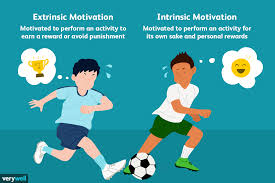
2. It’s Often External: We often get motivated by external things. Like praise, rewards, or seeing others succeed.
These are great for a boost, but they don’t create lasting change. What happens when the praise stops? Or the reward isn’t there?
3. It’s Tied to Excitement: New projects are exciting. Learning a new skill is exciting.
But the day-to-day grind? The steady practice? That’s rarely exciting.
Motivation often fades when the novelty wears off. This is why many people start new hobbies with great gusto, only to abandon them weeks later.
4. It Can Lead to Procrastination: Ironically, waiting for motivation can lead to doing nothing. You tell yourself, “I’m not motivated right now, so I can’t do it.” This becomes an excuse.
You keep putting it off, hoping for that perfect moment.
Think about your daily routine. What do you do without thinking? You probably brush your teeth.
You might make coffee. You don’t wake up thinking, “Do I feel like brushing my teeth today?” You just do it. That’s not motivation.
That’s habit. That’s discipline.
The Real Power of Discipline: Building Lasting Habits
Discipline is the superpower you might be overlooking. It’s the quiet force that gets things done. It’s about commitment.
It’s about showing up. Even when it’s hard. Even when you don’t want to.
It’s about making a promise to yourself. And keeping it.
Discipline isn’t about being a robot. It’s not about never feeling lazy or uninspired. It’s about acknowledging those feelings.
And then choosing to act anyway. It’s the decision to get out of bed when your alarm goes off. Even if you want to sleep for two more hours.
It’s the choice to eat that salad. Even if you crave pizza.
How does discipline work? It works by building habits. Habits are actions you do automatically.
They require very little thought. They don’t need you to be motivated. Once a habit is in place, it becomes easy.
It becomes your default. This is the goal. To make the actions that lead to your goals as automatic as breathing.
Let’s look at some real-life examples:
Habit Stacking: Linking New to Old
Concept: Attach a new habit to an existing one.
Example: After you finish your morning coffee (existing habit), do 10 push-ups (new habit).
Why it works: The old habit acts as a trigger for the new one.
Imagine a professional athlete. Do you think they feel like running miles every day? Do they feel like lifting heavy weights in the rain?
Probably not always. But they do it. Why?
Because it’s their job. It’s their discipline. It’s the habit they’ve built.
Their motivation might have started it. But their discipline keeps them going. It’s what makes them great.
The same applies to writers. They don’t always feel like writing. But they sit down and write.
They follow their schedule. They meet their word counts. Because that’s their discipline.
It’s the engine that powers their craft. Without it, the words wouldn’t flow. The books wouldn’t be written.
The Mindset Shift: From “I Feel Like” to “I Will”
This is the core of the discipline versus motivation debate. It’s a change in mindset. Instead of asking, “Do I feel like doing this?” you ask, “Is this important to me?
And if so, how can I make sure it gets done?”
This shift is powerful. It moves you from being a passenger in your own life. Driven by your ever-changing emotions.
To being the driver. In control of your actions. And therefore, in control of your results.
Think about the difference:
Motivation Mindset: “I’ll go to the gym if I feel energized.”
Discipline Mindset: “I go to the gym three times a week. Today is a gym day. I will go.”
One is passive. The other is active. One is reactive.
The other is proactive.
This doesn’t mean you can never enjoy the boost of motivation. When it shows up, great! Ride that wave.
Use that energy to do a little extra. But don’t depend on it. Build your foundation on something more solid.
What if you’re feeling really down? What if you’re facing a genuine struggle? Discipline doesn’t mean being harsh or ignoring your well-being.
It means finding the smallest possible step. The one thing you can do. And doing that.
It’s about progress, not perfection.
For example, if you’re too tired to do a full workout, maybe discipline means just doing 10 minutes of stretching. Or going for a 20-minute walk. The goal is to keep the habit alive.
To show your brain that you are still committed.
Contrast: Motivation vs. Discipline
| Motivation | Discipline |
|---|---|
| Feeling-based | Action-based |
| Unpredictable | Reliable |
| Short-term driver | Long-term builder |
| Can lead to waiting | Leads to doing |
| Dependent on mood | Independent of mood |
Putting Discipline into Practice: Simple Steps
So, how do you actually build discipline? It’s not a trait you’re born with or without. It’s a muscle you can train.
1. Start Small: Don’t try to overhaul your entire life at once. Pick one small area.
Want to read more? Commit to reading one page a day. Want to exercise?
Commit to five minutes of walking. Small wins build confidence and momentum.
2. Be Consistent: This is the golden rule. Do your small task every single day.
Even on days when you really, really don’t want to. Consistency is how habits are formed. It’s how discipline grows.
3. Make it Easy to Start: Remove barriers. If you want to exercise in the morning, lay out your clothes the night before.
If you want to eat healthier, chop your vegetables for the week on Sunday. The easier it is to start, the more likely you are to do it.
4. Track Your Progress: Seeing how far you’ve come is incredibly motivating. Use a calendar to cross off each day you complete your task.
Or use a simple notebook. This visual representation of your commitment can be very powerful.
5. Plan for Obstacles: Life happens. You’ll get sick.
You’ll have travel. You’ll face unexpected events. Think about these beforehand.
What will you do if you miss a day? How will you get back on track? Having a plan makes it easier to recover.
6. Reward Yourself (Smartly): While discipline is about doing things for their own sake, small, healthy rewards can help. But be careful not to undermine your goals.
If your goal is to eat healthy, don’t reward yourself with a giant cake. Maybe reward yourself with a new book or a relaxing bath.
7. Find an Accountability Partner: Sharing your goals with a friend or family member can make a big difference. They can check in on you.
They can offer support. Knowing someone else is aware of your commitment can be a strong motivator.
8. Focus on the Process, Not Just the Outcome: Enjoy the journey. Appreciate the effort you’re putting in.
The outcome is important, of course. But the discipline is in the doing. Celebrate the small steps you take each day.
Quick Action Plan: Building Your First Habit
Step 1: Choose ONE small habit. (e.g., drink a glass of water first thing)
Step 2: Decide WHEN you’ll do it. (e.g., as soon as I get out of bed)
Step 3: Commit to DOING it for 7 days straight.
Step 4: Track it daily. (e.g., a checkmark on a calendar)
Step 5: If you miss a day, forgive yourself and restart immediately.
When Does Motivation Matter Most?
Now, don’t get me wrong. Motivation isn’t useless. It has its place.
It’s like the spark that lights the fire. It’s especially useful:
1. At the Beginning of Something New: When you’re exploring a new interest or career path, motivation can be the fuel that helps you learn and experiment. It’s what makes you enthusiastic about diving in.
2. During Times of Inspiration: Sometimes, a great idea or a moment of insight can strike. This can be a powerful time to act.
You might feel a surge of energy that helps you tackle a challenging task with renewed vigor.
3. When You Need a Boost: If you’re feeling a bit down or uninspired, a dose of motivation can help. Reading an inspiring story, watching a motivational video, or talking to someone positive can give you the lift you need to keep going.
However, the key is not to rely on these moments. Use them. Capitalize on them.
But build your systems so that you don’t collapse when they fade.
What This Means for Your Goals
Understanding the difference between discipline and motivation has big implications for achieving your goals. If you’re waiting for motivation, you’re likely to fall short. Especially on bigger, long-term goals.
These goals require consistent effort over time. They require showing up when you don’t feel like it.
For health goals: You won’t always feel like exercising or eating healthy. Discipline means doing it anyway. It’s the consistent choices that lead to long-term health.
For career goals: You won’t always feel like working hard or learning new skills. Discipline means putting in the effort. It’s the steady progress that leads to career success.
For personal growth: You won’t always feel like facing your fears or working on self-improvement. Discipline means taking those steps. It’s the commitment to becoming a better you.
The truth is, the most successful people aren’t necessarily the most motivated people. They are the most disciplined people. They have learned to manage their feelings.
They have built systems. They have made their desired actions a habit. They know that feelings are temporary.
But commitment is lasting.
It’s like training for a marathon. The initial excitement of signing up (motivation) is great. But the real work is the daily training runs (discipline).
Those runs happen in all kinds of weather. They happen when you’re tired. They happen when you’d rather be doing anything else.
That’s what gets you to the finish line.
Common Questions People Ask About Discipline and Motivation
Can you be too motivated?
While motivation is generally seen as positive, an over-reliance on it can be a trap. If you only act when you feel highly motivated, you might struggle with consistency. This can lead to starting many projects but finishing few.
It’s like driving on pure adrenaline; you burn out quickly. True progress often comes from sustained effort, which is built by discipline, not just fleeting enthusiasm.
Is motivation a myth?
No, motivation is not a myth. It’s a real psychological state that can drive behavior. It’s that excited feeling you get when you start something new or when you have a clear goal in sight.
However, it’s unreliable for long-term achievement. It’s a great starting boost, but discipline is what carries you through the challenges and the mundane parts of any significant endeavor.
How do I find my motivation?
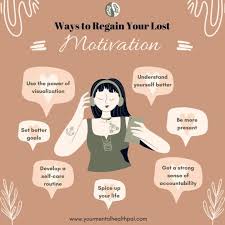
To find your motivation, connect with your ‘why’. Ask yourself: Why is this goal important to me? What are the benefits of achieving it?
What are the consequences of not achieving it? Visualize success and how it will feel. Sometimes, learning more about the topic or talking to people who have achieved similar goals can also spark motivation.
But remember, this is a starting point, not the finish line.
What if I have zero motivation?
When you have zero motivation, focus on discipline. Start with the absolute smallest action possible. For example, if you need to write, just open the document.
If you need to exercise, just put on your workout clothes. The goal is to break the inertia. Often, taking that tiny first step can build enough momentum to do a little more.
Don’t aim for perfection; aim for a start.
Is discipline harder than motivation?
In the short term, motivation might feel easier because it’s driven by positive feelings. It requires less internal struggle. Discipline, however, can feel harder in the moment because it often means doing something you don’t want to do.
But in the long term, discipline is far more effective and sustainable. Building discipline creates habits that make tasks easier over time, reducing the need for constant effort.
How can discipline help me stop procrastinating?
Discipline helps stop procrastination by overriding the urge to delay tasks. Instead of waiting for the ‘right mood,’ you commit to doing the task. You break it down into manageable steps.
You create a schedule. When you have a plan and a commitment, the excuses that fuel procrastination have less power. You learn to act even when you don’t feel like it.
Conclusion: The Enduring Power of Showing Up
So, the next time you feel that familiar lull in motivation, don’t despair. Remember that your feelings are not your boss. They are signals.
And while they can be helpful, they shouldn’t be in control. The true path to achieving your goals is paved with discipline. It’s the consistent, often quiet, effort.
It’s showing up, day after day. Build that muscle. Your future self will thank you for it.