Motivation isn’t about having boundless energy all the time. It’s about building simple rituals. These daily habits help you start tasks, stay focused, and feel good about your progress. We’ll look at easy ways to weave these rituals into your day. They make a big difference.
Understanding Your Motivation Engine
Think of your motivation like a car. It needs fuel to run. It also needs the right driver and the engine to be in good shape. For us humans, the fuel is our energy and mindset. The driver is our habits. And the engine? That’s our physical and mental health. When any of these parts are off, the car sputters.
The Science of Getting Started
Why is starting the hardest part? Our brains like comfort. Starting something new often means facing the unknown. It might be difficult. It might be boring. So, our brains try to protect us. They tell us to wait. They say it’s not the right time. This is a natural response. But we can work with it. We can trick our brains a little.
The Power of Tiny Habits
You’ve probably heard of big goals. Like running a marathon. Or writing a book. These can feel huge. They can make us feel small. Instead, focus on tiny steps. A tiny habit is something so small you can’t say no. It takes less than two minutes. For example, instead of “write a book,” try “write one sentence.” That’s it. You can always do more. But you started. This small win builds momentum. It tells your brain, “Hey, that wasn’t so bad.”
Why Rituals Matter More Than Willpower
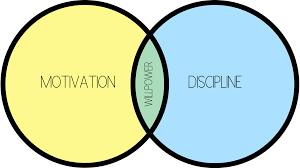
Willpower is like a muscle. It gets tired. If you rely only on willpower, you’ll eventually run out. Rituals are different. They are automatic. They become part of your routine. Like brushing your teeth. You don’t have to think hard to brush your teeth. It just happens. When you have a motivation ritual, you don’t need as much willpower to get started. The ritual does the heavy lifting for you.
The Role of Environment
Your surroundings play a big role. Is your workspace messy? Is it full of distractions? This makes it harder to focus. A clean, organized space can help. So can having the right tools ready. If you want to exercise, have your gym clothes laid out. If you want to write, have your laptop open. Small changes to your space can make a big impact. They remove barriers.
Quick Ritual Ideas
Morning Spark: Drink a glass of water first thing. Then, do 5 minutes of stretching.
Workday Kickstart: Before starting a task, write down the ONE most important thing you need to do. Then, set a timer for 25 minutes and focus only on that.
Afternoon Boost: Take a 10-minute walk outside. Or listen to an uplifting song.
Evening Wind-Down: Read for 15 minutes. Avoid screens for the last hour before bed.
Crafting Your Personal Motivation Rituals
Not all rituals work for everyone. You need to find what fits you. What makes you feel good? What helps you get things done? It’s a bit of trial and error. But the payoff is huge.
Morning Rituals: Setting the Tone
Your morning sets the stage for your whole day. A good morning ritual can boost your energy. It can clear your mind.
The Gentle Wake-Up
Instead of hitting snooze five times, try waking up gently. Put your alarm clock across the room. This forces you to get out of bed. Once you’re up, don’t immediately check your phone. Give yourself a few minutes. Think about your day. What are you looking forward to?
Hydration and Movement
Drinking water is simple but powerful. It wakes up your body. A few stretches can loosen your muscles. It doesn’t have to be a full workout. Just gentle movement. It gets the blood flowing. This sends oxygen to your brain. It makes you feel more alert.
Mindful Moments
This could be a short meditation. Or just sitting quietly with a cup of tea. Focusing on your breath for a few minutes can calm your mind. It helps you start the day with less stress. It helps you feel more in control.
Morning Ritual Checklist
- Wake up consistently.
- Drink water.
- Move your body (lightly).
- Quiet time (meditation, reflection).
- Avoid immediate phone use.
Workday Rituals: Staying Focused
The workday can be a minefield of distractions. Creating rituals here keeps you on track.
The Power of the Pomodoro Technique
This is a popular time management method. You work in focused bursts. You work for 25 minutes. Then you take a 5-minute break. After four work bursts, you take a longer break. It sounds simple. But it helps you stay focused. It prevents burnout. You know a break is coming. So you can push through.
Batching Similar Tasks
Do similar tasks together. For example, answer all your emails at once. Make all your phone calls at once. This stops your brain from switching gears too much. It’s more efficient. It reduces mental fatigue. You get into a flow.
The “Two-Minute Rule” for Small Tasks
If a task takes less than two minutes, do it right away. Don’t add it to your list. This stops small things from piling up. It feels good to clear them quickly. It gives you quick wins. This builds confidence.
Clear Your Workspace Daily
At the end of each workday, tidy your desk. Put things away. Clear out trash. This makes it easier to start fresh tomorrow. You won’t waste time looking for things. It makes your workspace a calmer place.
Workday Ritual Comparison:
| Normal Approach | Answer emails randomly. Get distracted by notifications. Feel overwhelmed by clutter. |
| Ritual Approach | Check emails at set times. Use focus blocks. Tidy desk daily. Feel in control. |
Evening Rituals: Winding Down for Rest
A good evening ritual helps you relax. It prepares you for sleep. This is vital for motivation the next day.
Screen-Free Time
The blue light from screens can mess with your sleep. Try to put your phone and tablet away an hour before bed. Read a book instead. Or listen to calm music.
Journaling Your Thoughts
Writing down your thoughts can be very helpful. You can list things you are grateful for. Or you can write down worries. Getting them out of your head and onto paper can be a relief. It helps you sleep better.
Preparing for Tomorrow
Lay out your clothes. Pack your lunch. Briefly plan your top tasks for the next day. This small effort can save you a lot of stress in the morning. It makes the next day feel less daunting.
Gentle Stretching or Warm Bath
A little light stretching can release tension. A warm bath can help you relax your body. Both signal to your body that it’s time to wind down. They promote deeper sleep.
Evening Ritual Components
Key Element: Reducing Stimuli
Why it Works: Calms the nervous system. Signals rest time.
Actionable Step: Turn off bright lights. Dim lighting is better.
Benefit: Improved sleep quality. Better mood the next day.
Motivation Rituals for Specific Goals
Sometimes you need rituals for specific things. Like learning a new skill. Or being more creative.
Rituals for Learning and Growth
If you want to learn something new, make it a habit.
The “Learn for 15 Minutes” Rule
Just commit to learning for a short time each day. Maybe it’s an online course. Or reading a book. Fifteen minutes is manageable. It’s easy to fit in. You’ll be surprised how much you learn over time. Small, consistent effort adds up fast.
Active Recall Practice
After you learn something, test yourself. Don’t just re-read notes. Try to recall the information from memory. This strengthens the learning. It makes it stick better. You can use flashcards. Or just try to explain it to yourself.
Seek Out Inspiration Daily
Read about people who inspire you. Listen to podcasts. Watch TED talks. Surround yourself with ideas that spark your interest. This keeps your mind active and curious. It fuels your desire to learn more.
Learning Ritual Cycle
Phase 1: Input (Read, watch, listen – short bursts)
Phase 2: Process (Think, connect ideas)
Phase 3: Output (Test yourself, explain – active recall)
Phase 4: Reflect (What did I learn? What’s next?)
Rituals for Creativity
Creativity often needs a little nudge.
The “Idea Capture” Habit
Always have a way to capture ideas. Use a small notebook. Or a notes app on your phone. When an idea strikes, write it down immediately. Don’t trust your memory. You can review these ideas later.
Dedicated Creative Time
Set aside specific times for creative work. Even if it’s just 30 minutes. Treat it like an important appointment. Protect this time. This signals to your brain that it’s okay to explore and play.
Change Your Scenery
Sometimes a new environment sparks new ideas. Go for a walk. Work from a coffee shop. Visit a park. A change of pace can refresh your mind. It can help you see things differently.
Embrace “Bad” Ideas
Not every idea will be a winner. That’s okay. Give yourself permission to create things that might not be perfect. The process is as important as the outcome. You need to make many ideas to find a few good ones.
Creative Ritual Boosters
Tool: A small, portable notebook.
Purpose: Capture fleeting thoughts.
When: Anytime inspiration strikes.
Action: Jot down keywords, a sketch, or a short phrase.
Real-Life Experiences with Motivation Rituals
I remember a time when I felt completely stuck. I had a big project at work. I kept putting it off. Every morning, I’d stare at my computer. My mind was blank. I felt overwhelmed. It was frustrating. I was letting myself down.
One day, I read about starting small. I decided to try a new morning ritual. Before I even opened my email, I would just write one sentence. Just one sentence about the project. It felt silly. But I did it. The next day, I wrote another sentence. Sometimes it was the same sentence. But I was still engaging with the project.
Slowly, over a week, those sentences started connecting. I began to see a path forward. I wasn’t staring at a blank page anymore. I had a starting point. That small ritual of writing one sentence changed everything. It didn’t feel like a huge effort. But it got me moving. It built a tiny bit of momentum each day. Soon, I was writing paragraphs. And then whole sections. It taught me that the smallest action can have the biggest ripple effect.
Another Story: The Afternoon Slump Savior
My friend Sarah used to battle the afternoon slump daily. Around 2 PM, she’d feel sleepy. Her focus would drift. She’d grab sugary snacks. This made her feel worse later. She tried coffee, but it just made her jittery.
She decided to create a new ritual. Every day at 1:45 PM, she would go for a 10-minute walk. Rain or shine. She didn’t listen to anything. She just walked. She focused on her breathing. She noticed the trees. She felt the sun on her skin.
This simple walk became her secret weapon. It cleared her head. It boosted her energy without a crash. She came back to her desk feeling refreshed. Her focus was sharper. She found she could get more done in the late afternoon. It wasn’t a long or complicated ritual. But it transformed her workday.
What This Means for You: When to Worry and When to Rest
It’s important to know that not every day will be high-energy. Some days are just tough.
Normal Energy Dips
Everyone has days when they feel less motivated. This is normal. Maybe you didn’t sleep well. Maybe you’re stressed about something. Maybe you’re just a bit under the weather. In these cases, your rituals can help. They can provide a gentle nudge. But don’t force yourself to be super productive. Listen to your body.
When to Seek More Support
If you consistently feel unmotivated. If it’s hard to do even simple tasks. If you’ve lost interest in things you used to enjoy. Then it might be more than just a bad day. This could be a sign of burnout or something like depression. In these situations, it’s important to talk to a doctor or a mental health professional. They can offer the right support and guidance. Your well-being is the most important thing.
Self-Care Check-In
Ask Yourself:
- Am I getting enough sleep?
- Am I eating well?
- Am I moving my body?
- Do I have time to relax?
- Am I connecting with others?
These basic needs fuel your motivation.
Building Flexibility into Your Rituals
Life happens. Sometimes your planned ritual won’t work. That’s okay. The goal is not perfection. The goal is consistency over time. If you miss a day, just get back to it the next day. Don’t beat yourself up. A ritual is a tool, not a master.
Quick Fixes and Tips for Boosting Motivation
Sometimes you just need a little boost. Here are some fast ideas.
The “Just 5 Minutes” Rule
If you’re dreading a task, tell yourself you only have to do it for 5 minutes. Set a timer. Often, after 5 minutes, you’ll find yourself continuing. The hardest part is starting. This rule makes starting much easier.
Create a “Done” List
Instead of just a to-do list, also keep a “done” list. At the end of the day, write down everything you accomplished. Big or small. Seeing your progress visually can be a huge motivator. It reminds you that you are getting things done.
Find an Accountability Partner
Share your goals with a friend or colleague. Check in with each other regularly. Knowing someone else is expecting an update can be a powerful motivator. It adds a layer of commitment.
Reward Yourself
Set small rewards for completing tasks or sticking to your rituals. It could be a break to watch a favorite show. Or a nice cup of coffee. Or a small treat. Positive reinforcement works.
Motivation Boosters: A Quick List
Action: Start a task for 5 minutes.
Action: Write down what you finished.
Action: Tell a friend your goal.
Action: Plan a small treat for later.
Frequently Asked Questions about Motivation Rituals
What is the best time of day to create a motivation ritual?
The best time is when you can be consistent. For many, this is first thing in the morning. It sets the tone for the day.
However, some people are more motivated later. Experiment to find what works best for your schedule and energy levels.
How long does it take for a motivation ritual to become a habit?
It varies for everyone. Some studies suggest it takes about 66 days on average. But for simple rituals, you might see benefits sooner.
The key is consistency, not perfection. Even a small ritual done daily builds momentum.
Can I have too many motivation rituals?
Yes, it’s possible to feel overwhelmed if you try to implement too many new things at once. Start with one or two simple rituals. Master those.
Then, gradually add more if needed. The goal is to support your motivation, not add stress.
What if I miss a day of my ritual?
Don’t worry! Missing a day happens to everyone. The most important thing is to not let it derail you.
Just pick up where you left off the next day. Don’t try to “make up” for the missed day. Simple consistency is key.
How can rituals help with procrastination?
Rituals help by making the start of a task less daunting. They create a clear, automatic pathway to begin. Instead of deciding whether to start, you just follow the ritual.
This bypasses the resistance your brain might feel towards a difficult task.
Are motivation rituals the same as self-care?
They can be very similar. Many motivation rituals are forms of self-care because they help you manage your energy and well-being. For example, a morning walk is both a motivation ritual and a self-care practice.
They work together to support your overall state.
Conclusion: Your Journey with Motivation
Building motivation is like tending a garden. It needs care and consistent effort. Your rituals are the seeds and the water. They help you grow. Start small. Be patient with yourself. Celebrate your wins. You have the power to create a more motivated and fulfilling day. These simple, everyday actions can lead to big changes. You’ve got this!