Keystone habits are small actions that create a ripple effect. They trigger widespread change. These habits make it easier to adopt other good habits.
They help you improve your life in many areas. Think of them as the first domino to fall. They start a chain reaction of positive outcomes.
What Are Keystone Habits?
Keystone habits are special. They are not just any old habit. They are habits that matter a lot.
They have a special power. This power is to spread goodness. One good habit can lead to many others.
It’s like a magic key. This key unlocks doors to better habits. It also unlocks doors to better thinking.
It can even change how you see yourself.
Think about a keystone in an arch. It’s a stone in the very middle. It holds up the whole arch.
Without the keystone, the arch falls apart. Keystone habits work like that. They are central to your efforts.
They support other changes you want to make. When you focus on a keystone habit, other things fall into place more easily. It’s a powerful concept.
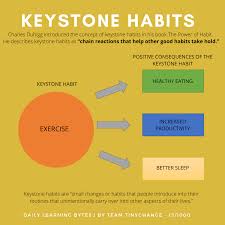
It comes from research. Charles Duhigg wrote about it. He studied habits.
He saw this pattern often.
Why do they work so well? They change your self-image. They create small wins.
These wins build confidence. They also change your environment. They can make other good choices easier.
They create new routines. These routines get stronger over time. They become automatic.
This frees up your energy. You can then focus on other goals. It’s a smart way to build a better life.
It’s not about doing more. It’s about doing the right thing first.
Some habits are just habits. They help a little. But keystone habits are different.
They have a huge impact. They are the foundation. They make everything else possible.
They simplify your journey. They guide you toward success. They are the secret sauce.
They make big changes feel possible. They make them happen.
My Own Keystone Habit Story
I remember a time when I felt stuck. I wanted to be healthier. I wanted to get more done at work.
I felt like I was always behind. My desk was a mess. I skipped meals.
I didn’t exercise. I tried to start many things. I’d try to go to the gym every day.
Or I’d try to eat salads for lunch. But it never lasted. I’d get discouraged.
Then I’d give up. It felt like a pattern.
One day, I was reading. I came across the idea of keystone habits. It clicked.
I thought about what small thing I could do. Something that might make other things easier. I thought about my mornings.
They were chaotic. I’d rush out the door. I’d feel stressed before the day even began.
So, I decided to try something simple. I would make my bed every morning. That was it.
Just make the bed.
It seemed too easy. How could making the bed change anything? But I stuck with it.
The first few days, it felt a bit silly. But then something happened. Making the bed gave me a sense of order.
It was the first thing I accomplished. It felt like a small win. It made my bedroom look nicer.
This made me feel a little better.
Then, I noticed other things. Because my room was tidy, I felt less rushed. I might take an extra minute to sit down.
I might even make myself a proper breakfast. Not just grab a cookie. This led to more energy.
With more energy, I felt more focused at work. I was less likely to procrastinate. My desk started to look a little tidier too.
I was creating a chain reaction.
It wasn’t magic. It was just smart. Making the bed didn’t force me to eat healthy.
But it created a mental space. It created a feeling of control. This made me want to do other good things.
It was the first domino. It set off others. I learned that day that small changes can be very powerful.
They can change your whole outlook. They can change your habits. They can change your life.
Keystone Habit Ripple Effect
Starting Point: Make Your Bed Daily
Immediate Impact: Sense of accomplishment, tidy room.
Next Steps:
- Feels calmer, less rushed in the morning.
- More likely to eat a healthy breakfast.
- Increased focus and productivity at work.
- Desk starts to look neater.
- Better mood throughout the day.
Overall Result: A cascade of positive changes. Improved well-being and efficiency.
Identifying Your Own Keystone Habits
So, how do you find these special habits? It takes a little thought. You need to look at your life.
What areas do you want to improve? What are your goals? Do you want to feel less stressed?
Do you want to be more organized? Do you want to save more money?
Think about what would make the biggest difference. What small change could unlock other good things? Sometimes, it’s obvious.
For many people, exercise is a keystone habit. When they start exercising, they tend to eat better. They sleep better.
They feel more energetic. They are often more productive. Exercise can be a keystone habit for many reasons.
It gives you energy. It reduces stress. It builds discipline.
It provides a clear success. You feel good after you exercise. This good feeling makes you want to repeat it.
It also makes you feel like you are capable of change. This feeling can spill over into other areas of your life. You might think, “If I can get to the gym, I can tackle that tough project.”
Another common keystone habit is planning. Taking a few minutes each day or week to plan. This could be planning your meals.
Or planning your work tasks. Or planning your finances. When you plan, you feel more in control.
You are less likely to waste time or money. You are more likely to achieve your goals. Planning creates order.
It reduces surprises. It makes good decisions easier.
Food journaling is another one. Simply writing down what you eat. This simple act makes you more aware.
You start to notice patterns. You might notice you eat more when you’re stressed. Or you might see you don’t eat enough fruits.
This awareness often leads to better choices. You don’t have to force yourself to eat healthy. The awareness itself guides you.
You see what you’re doing. Then you want to make it better.
The key is to find something small. Something manageable. Something that feels good when you do it.
Something that has a clear positive effect. It shouldn’t feel like a punishment. It should feel like a helpful step.
It should be something you can stick with. Even on days when you don’t feel motivated. This is where the “small win” idea comes in.
The habit itself should be a win.
Ask yourself: What is one small change I can make? What change could make my mornings easier? What change could help me feel more in control?
What change could lead me to make better choices throughout the day? Don’t overthink it. Start with what feels right.
You can always adjust later.
Finding Your First Domino
- Reflect: What do you want to change?
- Identify: What small habit could help most?
- Test: Try a simple, manageable habit.
- Observe: See what other changes happen.
- Adjust: Refine your habit or find a new one.
Common Keystone Habits and Their Effects
We’ve touched on a few. But let’s look closer. Many people find success with these.
Exercise
What it is: Moving your body regularly.
Why it’s keystone: Boosts energy, reduces stress, improves mood. Makes healthy eating feel natural. Leads to better sleep.
Builds discipline.
Ripple effects: Healthier diet, weight management, better focus, less anxiety, improved self-esteem.
Food Journaling
What it is: Writing down everything you eat and drink.
Why it’s keystone: Increases awareness of eating habits. Helps identify triggers for overeating or unhealthy choices. Leads to more mindful eating.
Ripple effects: Healthier food choices, portion control, weight loss or maintenance, better digestion, increased energy.
Planning Your Day
What it is: Spending a few minutes to map out your tasks.
Why it’s keystone: Creates a sense of control. Reduces procrastination. Helps prioritize tasks.
Prevents feeling overwhelmed. Improves efficiency.
Ripple effects: Increased productivity, less stress, better time management, more free time, goal achievement.
Making Your Bed
What it is: Tidying your sleeping space each morning.
Why it’s keystone: Provides an immediate sense of order and accomplishment. Sets a positive tone for the day. Creates a more inviting living space.
Ripple effects: Improved mood, reduced morning stress, tendency to tidy other areas, better focus, more organized mindset.
Gratitude Practice
What it is: Regularly thinking about or writing down things you are thankful for.
Why it’s keystone: Shifts focus from negatives to positives. Improves mood and outlook. Reduces stress and anxiety.
Fosters resilience.
Ripple effects: Increased happiness, better relationships, more optimistic perspective, improved coping skills, greater life satisfaction.
These are just examples. Your keystone habit might be different. It depends on your personal situation.
The core idea remains the same. Find one habit that creates a positive chain reaction. It’s like a foundation stone.
It supports all the other good things you build.
Consider your daily routine. Where are the friction points? What feels hard?
What makes you feel stressed? Often, the opposite of that is a good place to start. If your mornings are chaos, bringing order there might be key.
If you always feel tired, finding a way to boost energy might be your keystone.
Look for habits that feel good. Habits that provide a quick win. This makes them easier to stick with.
And it makes the ripple effect more likely. The habit itself should be a positive experience. Not something you dread.
This is crucial for long-term change. It’s about building momentum. It’s about creating a positive cycle.
Keystone Habits in Different Areas of Life
Keystone habits are not just for personal goals. They work in many areas. Let’s explore a few.
Health and Fitness
Common Keystone: Exercise, healthy eating, consistent sleep.
Impact: Increased energy, better mood, weight management, reduced risk of chronic diseases. People who exercise often make healthier food choices without even thinking about it. They also tend to sleep better.
Work and Productivity
Common Keystone: Planning your day, time blocking, clearing your workspace.
Impact: Reduced procrastination, improved focus, higher output, less stress. When you clear your desk, it’s easier to focus. When you plan, you know what to do next.
Relationships
Common Keystone: Active listening, expressing appreciation, planning quality time.
Impact: Stronger bonds, better communication, deeper trust. Actively listening makes people feel valued. Regularly saying “thank you” strengthens connections.
Finances
Common Keystone: Tracking spending, setting a budget, automating savings.
Impact: Better financial control, reduced debt, increased savings, less financial stress. Seeing where money goes is the first step to managing it.
In a family setting, a keystone habit could be a shared meal. Eating together each night. This simple act can improve communication.
It can help children with their studies. It can strengthen family bonds. It creates a predictable, safe time.
It shows kids that their family matters.
For a team at work, it might be a short daily stand-up meeting. A quick check-in. This keeps everyone aligned.
It prevents small issues from becoming big problems. It fosters a sense of teamwork. It ensures everyone knows what’s happening.
The power of keystone habits is their broad reach. They don’t just change one thing. They change your mindset.
They change your environment. They change your behavior. They create a positive momentum.
This momentum helps you tackle other challenges. It makes you feel more capable. It makes big goals feel achievable.
Think about how these habits build on each other. If you exercise, you might feel more motivated. This motivation could spill into wanting to organize your home.
A tidy home can reduce stress. Less stress can improve your relationships. It’s all connected.
Keystone habits are the connection points. They are the central hubs of positive change.
The Science Behind Keystone Habits
It’s not just a nice idea. There’s real science behind this. Researchers have studied it.
They see patterns in how habits form. And how they spread.
One key idea is self-efficacy. This is the belief you can succeed. Keystone habits create small, consistent wins.
These wins build your confidence. They prove to yourself that you can make changes. This increased self-efficacy makes you more likely to try other new habits.
You start believing in your ability to change.
Another factor is habit stacking. This is linking a new habit to an existing one. For example, after you brush your teeth (existing habit), you drink a glass of water (new habit).
Keystone habits often work because they naturally lead to other behaviors. Exercising makes you want to eat well. Planning your day makes you more likely to stick to it.
The new habit becomes a cue for another.
Neurology also plays a role. Our brains like routines. They create pathways for habits.
Keystone habits strengthen positive pathways. They make desired actions more automatic. The more you repeat a keystone habit, the easier it becomes.
Your brain starts to reward you for it. This makes you want to keep doing it.
Charles Duhigg, in his book “The Power of Habit,” explains this well. He talks about companies that changed their culture. They focused on one small change.
This one change led to many others. For example, Alcoa improved worker safety. This wasn’t just about safety.
It made managers communicate better. It made them focus on efficiency. It changed how they ran the whole company.
These changes happen because habits are not isolated. They are part of a system. Keystone habits are like the master switch.
They turn on many other systems. They create a framework. This framework makes other good behaviors more likely to occur.
They create a sense of structure. Structure makes complex behaviors easier.
The feeling of control is also important. When you adopt a keystone habit, you feel more in charge of your life. This sense of agency is powerful.
It motivates you to make more positive choices. It combats feelings of helplessness. It gives you a starting point when things feel chaotic.
So, it’s not just about willpower. It’s about smart strategy. Keystone habits leverage how our brains work.
They make change feel natural. They make it sustainable. They create a domino effect that builds over time.
The science shows us that focusing on one key habit can have a surprisingly large impact.
How Keystone Habits Work (Simplified)
1. Small Wins Build Confidence: Consistent practice creates belief in your ability to change.
2. Natural Cues Emerge: One habit leads to another (habit stacking).
3. Brain Pathways Strengthen: Desired actions become automatic and rewarding.
4. Sense of Control Grows: Feeling empowered leads to more positive choices.
5. Environmental Changes Occur: Habits shape your surroundings, making good choices easier.
What This Means For You
Understanding keystone habits can change how you approach goals. Instead of trying to do everything at once, you can focus your energy. You can find that one habit that unlocks the most change.
When it’s normal: It’s normal to feel a bit unsure at first. Finding your keystone habit might take some trial and error. It’s okay if the first habit you pick doesn’t have a huge ripple effect.
You can learn from it and try another. The goal is progress, not instant perfection.
When to worry: You might worry if you feel completely overwhelmed or defeated. This could mean you picked a habit that’s too big. Or maybe it’s not the right keystone habit for you.
Don’t see it as a failure. See it as information. It tells you to adjust your approach.
Simple checks: Ask yourself these questions:
- Is this habit something I can do most days?
- Does it feel like a small win when I complete it?
- Am I starting to notice other small positive changes?
- Does this habit make me feel more in control?
If you’re trying to build a healthier lifestyle, don’t try to overhaul your entire diet and start running a marathon tomorrow. Instead, try to drink a glass of water when you wake up. Or try to add one vegetable to your dinner.
See what happens. Does it make you feel a bit better? Does it make you think about food more positively?
If you want to be more productive, don’t aim to work 12 hours a day. Try to spend 5 minutes at the end of your workday tidying your desk. Or spend 10 minutes at the start of your day planning your top three tasks.
See if that helps you feel more focused when you start working.
The beauty of keystone habits is that they are accessible. They don’t require huge amounts of time, money, or effort. They are about smart application of effort.
They are about finding leverage. They are about making change feel manageable and sustainable.
Think of them as a spring board. One good action propels you forward. It gives you the energy and confidence to take the next step.
It simplifies the process of self-improvement. It makes the journey less daunting. And more rewarding.
Quick Tips for Building Keystone Habits
Here are some simple ways to get started.
- Start Small: Make the habit incredibly easy to do. So easy you can’t say no.
- Be Consistent: Aim for regularity over intensity. Doing a little bit every day is better than a lot once a week.
- Track Your Progress: Note down when you do the habit. Seeing your streak can be motivating.
- Reward Yourself: Celebrate small wins. This reinforces the positive behavior.
- Be Patient: Real change takes time. Don’t get discouraged if you don’t see massive results immediately.
- Focus on One: Try to build one keystone habit at a time. Don’t overload yourself.
It’s important to remember that habits are learned. They are not fixed traits. You can build new ones.
You can change old ones. Keystone habits are a powerful tool in your toolbox. They help make this process smoother and more effective.
Consider your environment. How can you make your keystone habit easier? If you want to drink more water, keep a water bottle on your desk.
If you want to eat healthier, chop vegetables ahead of time. Your environment should support your goals. It should make the desired behavior the easiest option.
Don’t aim for perfection. Aim for progress. If you miss a day, don’t give up.
Just get back on track the next day. This is part of the process. It’s normal to have setbacks.
What matters is that you keep trying. That you learn and adapt.
Frequently Asked Questions
What is the best keystone habit?
There’s no single “best” keystone habit. It depends entirely on your personal goals and challenges. For some, exercise is a keystone.
For others, it might be planning their day or practicing gratitude. The best habit is one that creates positive ripples for YOU.
How long does it take to form a keystone habit?
While habits can take weeks or months to become automatic, you can often see the effects of a keystone habit much sooner. The ripple effect can start within days or weeks. Focus on consistency rather than a specific timeline.
Can a keystone habit be negative?
Yes, unfortunately. Just as positive habits can create good ripples, negative habits can create bad ones. For example, smoking might lead to neglecting hygiene or unhealthy eating.
The concept applies to both positive and negative cycles.
What if my keystone habit isn’t working?
If you’re not seeing the desired ripple effects, don’t despair. Your chosen habit might not be the right keystone for you, or you might need to adjust how you practice it. Try making it even smaller or simpler.
Or consider a different habit altogether. It’s a process of discovery.
How do I know if a habit is a keystone habit?
Observe the changes. If adopting one habit leads to other positive shifts in your behavior, health, or mindset, it’s likely a keystone habit. It feels like it unlocks other good things without you having to force them.
Can I have more than one keystone habit?
While it’s often best to focus on building one keystone habit at a time to ensure success, once one becomes well-established, you might identify another. The key is not to overwhelm yourself. Build momentum with one before adding another.
Conclusion
Keystone habits offer a powerful path to change. They simplify your journey. They build confidence.
They create positive momentum. By focusing on one small, strategic habit, you can unlock surprising improvements. Start small, stay consistent, and watch the ripples spread.