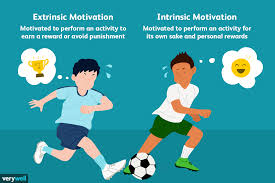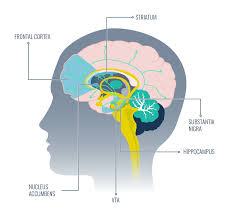
Lacking motivation often stems from a mix of physical, mental, and environmental factors. Understanding these common culprits is the first step toward gently reigniting your drive and finding a more sustainable path forward.
The Big What Makes Us Tick (or Not Tick)
Motivation is like a muscle. It needs to be used and cared for. When it feels weak, it’s usually for a reason.
It’s not a sign of failure. It’s a signal from your body and mind. They’re telling you something needs attention.
We often look for one big fix. But usually, it’s a collection of small things adding up. Let’s break down why that spark might be dim.
My Own Motivation Slump: A Coffee-Fueled Realization
I remember a time vividly. It was a Tuesday morning. The sun was trying to peek through the blinds.
My laptop sat open, a half-written email on the screen. I had a big project deadline looming. Yet, all I could do was stare at the blinking cursor.
My brain felt like foggy cotton. I’d had my second cup of coffee. Usually, that’s my rocket fuel.
But this time, nothing. A wave of annoyance washed over me. “Why can’t I just DO THIS?” I thought.
My shoulders slumped. I felt guilty. And even more stuck.
That feeling of being unable to move felt heavy. It was a loud signal that something deeper was off.
Understanding Your Energy Levels
Think about:
- Sleep: Are you getting enough quality sleep?
- Nutrition: Is your diet helping or hurting your energy?
- Movement: How much physical activity are you really getting?
These basics matter a lot.
Why Your Drive Might Be Lagging: Common Reasons
Let’s dive into the common reasons behind a lack of motivation. Knowing these can shine a light on your own situation. It helps you see it’s not just you.
Many people face these same challenges.
1. Physical Well-being: The Foundation of Energy
Our bodies are the engines for everything we do. When the engine isn’t running right, nothing else works well. It’s simple, but we often overlook it.
Lack of Sleep
This is a big one. When you don’t sleep enough, your brain and body suffer. Your focus drops.
Your mood can sour. Simple tasks feel harder. You might feel tired all day.
This makes starting anything new feel like a huge effort. Aim for 7-9 hours of good sleep each night. Make your bedroom dark and cool.
Try to go to bed and wake up around the same time, even on weekends. Better sleep means better energy. Better energy means easier motivation.
Poor Nutrition
What you eat directly fuels your brain and body. Processed foods, lots of sugar, and not enough good nutrients can make you feel sluggish. Your energy levels might dip suddenly.
This is often called a “sugar crash.” Eating balanced meals with fruits, vegetables, lean protein, and whole grains gives you steady energy. This steady energy helps you stay motivated throughout the day. Think of your body like a car.
You need good fuel to run smoothly.
Lack of Physical Activity
It sounds backward, right? You feel too tired to exercise, so you don’t. But exercise actually gives you energy.
It boosts blood flow to your brain. It releases endorphins, which are natural mood lifters. Even a short walk can make a big difference.
Starting small is key. Don’t aim for an hour at the gym on day one. Try a 15-minute walk around the block.
Notice how you feel afterward. Often, you’ll feel more alert and ready to tackle tasks.
Underlying Health Issues
Sometimes, a lack of motivation can be a sign of something more. Conditions like anemia, thyroid problems, or even vitamin deficiencies can zap your energy. If you’ve tried improving sleep, diet, and exercise and still feel drained, it’s worth talking to a doctor.
They can run tests. They can help figure out if there’s a medical reason for your low energy. Don’t ignore persistent fatigue.
It’s your body’s way of asking for help.
Fueling Your Motivation: A Simple Checklist
Check these boxes:
- Sleep: Aim for 7-9 hours.
- Water: Drink enough water daily.
- Balanced Meals: Include protein, veggies, and healthy fats.
- Move: A little bit counts.
Small changes add up.
2. Mental & Emotional Blocks: The Inner Hurdles
Our thoughts and feelings play a huge role in how motivated we feel. What’s going on inside our heads can powerfully affect our drive.
Fear of Failure
This is a common one. If you’re afraid you might not succeed, it’s easier to not even try. The thought of failing can be paralyzing.
So, you put things off. This fear stops you before you even start. To tackle this, try to reframe “failure.” See it as a learning opportunity.
Focus on the process, not just the outcome. Break down big tasks into tiny, manageable steps. Celebrate small wins along the way.
This builds confidence.
Perfectionism
This is the flip side of fear of failure. Perfectionists want things to be just right. If they can’t do it perfectly, they don’t want to do it at all.
This can lead to procrastination. It’s hard to start when you feel the pressure to be flawless. Give yourself permission to be imperfect.
Aim for “good enough” instead of perfect. You can always refine things later. Often, getting something done is better than not getting it done at all.
Lack of Clarity or Purpose
If you don’t know why you’re doing something, it’s hard to feel motivated. What is the goal? What is the benefit?
When tasks feel pointless, our drive plummets. Take time to connect your tasks to a larger purpose. Even mundane chores can be linked to a goal, like keeping your home peaceful.
For bigger goals, write down your “why.” Why is this important to you? Seeing the purpose can reignite your desire to act.
Feeling Overwhelmed
When a task or a project seems too big, it’s easy to feel overwhelmed. Your brain goes into “shut down” mode. You don’t know where to start.
This leads to avoidance. The best way to combat this is by breaking things down. Make a list.
Then, break each item into even smaller steps. Focus on just the very next small step. Completing that one step gives you momentum.
It shows you that you can make progress.
Low Self-Esteem or Self-Doubt
If you don’t believe in yourself, it’s hard to believe you can achieve anything. Past negative experiences can chip away at your confidence. This self-doubt whispers, “You can’t do it.” Work on building your self-belief.
Acknowledge your strengths. Remind yourself of past successes, no matter how small. Practice positive self-talk.
Burnout
This happens when you’ve been under prolonged stress. You feel emotionally, mentally, and physically exhausted. Your motivation is completely gone.
You might feel cynical or detached. Burnout is serious. It requires rest and recovery.
Pushing through burnout usually makes it worse. You need to step back. Focus on self-care.
Gradually reintroduce activities. Don’t try to jump back to 100% immediately. Healing takes time.
Myth vs. Reality: Motivation Myths
Myth: Motivation comes first, then action.
Reality: Action often creates motivation. Starting can spark the drive.
Myth: Some people are just born lazy.
Reality: Lack of motivation usually has clear causes that can be addressed.
3. Environmental Factors: Your Surroundings Matter
Where you are and the people around you can also impact your motivation levels. Your environment plays a bigger part than you might think.
Distractions
Is your phone buzzing constantly? Is your workspace cluttered? Constant distractions make it hard to focus.
This makes tasks take longer. It also makes you feel less productive. Try to create a focused environment.
Turn off notifications. Tidy up your workspace. Let people around you know you need quiet time.
Even small changes can help you concentrate better.
Lack of Support or Accountability
Doing everything alone can be tough. If you don’t have people who encourage you, or who you can check in with, it’s easier to lose steam. Sharing your goals with a friend or family member can help.
They can offer support. They can also help keep you accountable. Knowing someone will ask about your progress can be a great motivator.
Consider a study buddy or an accountability partner.
Negative or Uninspiring Environment
If your surroundings are dull, cluttered, or negative, it can drain your energy. A pleasant, organized space can be uplifting. Think about your workspace.
Can you add a plant? Some art? Make it a place you want to be.
Similarly, if the people around you are constantly negative, it can affect your outlook. Try to surround yourself with positive influences when possible.
Lack of Resources or Tools
Sometimes, you can’t do what you want because you don’t have what you need. This could be a physical tool, information, or even time. If you lack necessary resources, it’s natural to feel stuck.
Identify what you’re missing. Then, brainstorm ways to get it. This might involve asking for help or planning ahead.
Quick Scan: Environmental Boosters
- Declutter: A tidy space can lead to a tidy mind.
- Lighting: Natural light is best for energy.
- Sound: Choose quiet or motivating music.
- People: Connect with supportive individuals.
4. Lifestyle Habits: The Everyday Choices
Beyond sleep and diet, other daily habits also influence our motivational drive.
Too Much Screen Time
Endless scrolling can be a major motivation killer. It’s passive entertainment. It often leaves you feeling drained, not inspired.
Excessive screen time can also disrupt sleep patterns. It can make it harder to focus on real-world tasks. Try setting limits for yourself.
Schedule specific times for phone or computer use.
Lack of Hobbies or Fun
If your life is all work and no play, you’ll burn out. Hobbies and fun activities are essential for recharging. They provide joy.
They offer a sense of accomplishment outside of your main responsibilities. Make time for things you genuinely enjoy. This isn’t a luxury; it’s a necessity for long-term motivation.
No Clear Goals or Plans
As mentioned earlier, vagueness kills motivation. If you don’t have clear goals, you won’t know what to work towards. If you don’t have a plan, you won’t know how to get there.
Setting SMART goals (Specific, Measurable, Achievable, Relevant, Time-bound) can be very effective. Even a simple to-do list for the day can provide direction.
Not Taking Breaks
Working non-stop without breaks leads to fatigue and decreased productivity. Our brains need downtime to function optimally. Schedule regular short breaks throughout your workday.
Step away from your task. Stretch. Look out the window.
These small pauses can prevent burnout and help you maintain focus and motivation over longer periods.
My Experience: The Power of a Simple Walk
Situation: Feeling stuck on a writing project.
Action: Took a 20-minute walk outside.
Result: Came back with a fresh perspective. Ideas started flowing better.
Lesson: Sometimes, stepping away is the best way to move forward.
When is Lack of Motivation a Concern?
It’s normal to have days where your motivation is low. We all do. But there are times when it might signal something more serious.
You should pay attention if:
- The lack of motivation is sudden and severe.
- It lasts for a long time (weeks or months).
- It affects multiple areas of your life (work, relationships, self-care).
- It’s accompanied by other symptoms like persistent sadness, anxiety, significant changes in appetite or sleep, or a loss of interest in activities you once enjoyed.
In these cases, it could be a sign of depression, anxiety, or another health condition. It’s a good idea to talk to a healthcare professional. They can help you understand what’s going on and find the right support.
Simple Steps to Rekindle Your Motivation
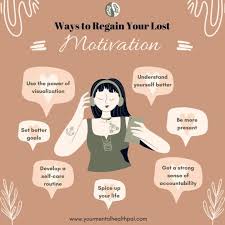
You don’t need a huge overhaul to start feeling more motivated. Small, consistent changes can make a big difference.
1. Start Small
If a task feels too big, break it into tiny pieces. Instead of “clean the whole house,” start with “clear the kitchen counter.” Celebrate finishing that small step. This builds momentum.
2. Focus on Habits, Not Just Goals
Goals are great, but habits are what get you there consistently. Instead of “write a book,” focus on “write for 30 minutes each day.” The habit will lead you to the goal.
3. Find Your “Why”
Connect your tasks to your values or larger goals. Why is this important? Knowing your purpose makes it easier to push through when motivation is low.
4. Take Care of Your Body
Prioritize sleep, good food, and movement. These are the foundations of energy and motivation. You can’t pour from an empty cup.
5. Be Kind to Yourself
Motivation isn’t always present. That’s okay. Don’t beat yourself up.
Acknowledge how you’re feeling. Then, gently guide yourself toward a small, manageable action.
6. Seek Support
Talk to friends, family, or a therapist. Sharing your struggles can make them feel less overwhelming. Accountability partners can also provide a helpful boost.
Actionable Insights: Tiny Steps for Big Change
- Next 10 Minutes: What is ONE small thing you can do in the next 10 minutes to move closer to a task?
- Morning Routine: Can you add one small, positive habit to your morning? (e.g., drink a glass of water, stretch for 2 minutes)
- Evening Reflection: What is ONE thing you accomplished today, no matter how small?
Frequently Asked Questions About Motivation
Why do I lack motivation even when I want to achieve something?
This often happens when there are underlying factors like fatigue, fear of failure, or a lack of clear steps. Your body or mind might be signaling that something needs attention before you can effectively pursue your goals. It’s common, and understanding the reasons is the first step to addressing it.
Is lack of motivation a sign of depression?
It can be, but it’s not always. A persistent lack of motivation, especially when combined with other symptoms like sadness, loss of interest, fatigue, and changes in sleep or appetite, can indicate depression. If you’re experiencing these, it’s important to consult a doctor or mental health professional.
How can I build motivation when I feel completely drained?
When you’re drained, focus on building energy first. Prioritize sleep, nutrition, and gentle movement. Then, start with the absolute smallest possible steps towards your goal.
Action, even tiny action, can sometimes spark motivation. Don’t try to force it; gently coax yourself into action.
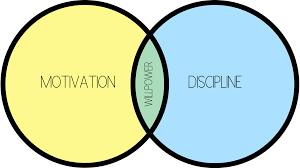
What’s the difference between motivation and discipline?
Motivation is the desire or willingness to do something. It often comes and goes. Discipline is the habit of doing what needs to be done, even when you don’t feel like it.
Building discipline allows you to act even when motivation is low. Often, acting with discipline can then lead to renewed motivation.
How can I stop procrastinating due to lack of motivation?
Break tasks into very small, manageable steps. Set a timer for short work periods (e.g., 25 minutes). Remove distractions from your environment.
Remind yourself of the benefits of completing the task. Sometimes, just starting, even if you don’t feel motivated, can help you get going.
Can stress cause a lack of motivation?
Yes, absolutely. Chronic stress can lead to burnout, which severely depletes your energy and motivation. When you’re constantly under pressure, your body and mind become exhausted, making it very difficult to feel motivated about anything.
Wrapping Up: Moving Forward with Understanding
Feeling a lack of motivation is a shared human experience. It’s a complex issue with many possible roots. By understanding the physical, mental, and environmental factors at play, you can begin to address it.
Be patient with yourself. Celebrate small victories. And remember that seeking help is a sign of strength, not weakness.