Intrinsic vs extrinsic motivation describes two main ways people get driven. Intrinsic means doing something for the pure joy or interest it brings. Extrinsic means doing it for an outside reward or to avoid a punishment. Both play a part in our lives. Knowing which is which helps you find lasting drive.
What Drives Us: Intrinsic vs. Extrinsic Motivation Explained
Motivation is what makes us act. It’s the inner push or outer pull. We can think of it like fuel for our actions.
There are two main types of fuel. One is pure inner fire. The other is energy from outside sources.
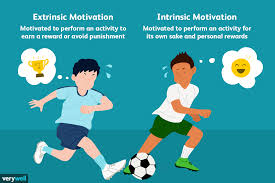
Intrinsic motivation is when you do something because it feels good to you. You enjoy the task itself. You learn something new.
You feel a sense of accomplishment. The reward is the act of doing it. Think about playing a game you love.
You play because it’s fun. No one makes you. No one pays you.
It’s just rewarding in itself.
Extrinsic motivation comes from outside yourself. You do something to get a reward. Or you do it to avoid a bad outcome.
Rewards can be many things. Money is a common one. Praise from others counts too.
Getting a good grade is a reward. Avoiding a late fee is avoiding a bad outcome. The motivation is the result you get.
These two forces often work together. Sometimes they even clash. For example, a child loves drawing.
That’s intrinsic. If you then offer them money for every drawing, it becomes extrinsic. This can sometimes make the drawing less fun over time.
This is something experts call the overjustification effect.
Understanding the difference helps us. It helps us see why some tasks feel easy. It explains why some things feel like a chore.
It also gives us tools to make tasks more engaging. We can learn to tap into our inner drive. Or we can use external motivators wisely.
The goal is usually to find a balance. This balance leads to more genuine satisfaction.
Scientists have studied motivation for a long time. They look at brain signals. They watch behavior.
What they find is that intrinsic drive is often stronger. It leads to more creativity. It also leads to better learning.
Extrinsic motivators can be useful. But they don’t always create long-term passion. They can sometimes even harm it.
So, knowing which is which is a big deal.
My Own Journey with Drive: The Day the Stickers Lost Their Sparkle
I remember this one time when I was maybe ten years old. My parents wanted me to read more. I actually loved reading.
I’d get lost in stories. Books were my escape. So, they introduced a sticker chart.
For every book I finished, I got a sticker. Ten stickers meant a new book from the store. At first, it felt like a fun game.
The stickers were bright. Filling the chart felt good. My reading pace picked up.
I finished books faster than ever.
Then, something shifted. The joy of the story started to fade. I found myself looking at the page count.
I was thinking about how many more stickers I needed. Sometimes I’d skim pages. I wanted to get to the end to get the sticker.
The book itself became less important. The sticker was the prize. The actual reading felt like work.
It was a means to an end. It was a chore to earn the reward.
One afternoon, I finished a book. I went to get my sticker. I looked at the chart.
It was almost full. But I didn’t feel happy. I felt a bit empty.
The books I had read were good. But the feeling was gone. It was replaced by a need to complete the chart.
I realized then that the stickers had taken over. They had stolen the simple pleasure of reading. It took me a while to get back to reading for just the love of it.
That was my first real lesson in intrinsic versus extrinsic motivation. The sparkle had definitely left those stickers.
Intrinsic Motivation Boosters
Focus on Fun: Pick tasks you genuinely enjoy.
Seek Challenges: Try things that stretch your skills a little.
Mastery Matters: Aim to get better at something you care about.
Autonomy is Key: Have some control over what you do and how you do it.
Find Meaning: Connect your actions to your values or a larger purpose.
Why We Do What We Do: The Inner Workings
The reasons behind our actions are complex. They involve our brains and our environment. Both intrinsic and extrinsic factors play a role.
Experts talk about basic human needs. These needs often relate to intrinsic drive.
One key idea is competence. We like to feel good at things. When we learn a new skill, it feels great.
We get a sense of mastery. This feeling is a strong inner reward. It makes us want to practice more.
Another need is autonomy. We like to feel in control. We want to make our own choices.
When we have choices, we feel more engaged. We feel more responsible for our actions. This sense of freedom fuels our drive.
Relatedness is also important. We like to feel connected to others. We want to belong.
When we work with others on something we care about, it’s rewarding. Sharing success or overcoming challenges together is powerful.
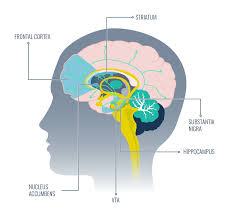
Extrinsic motivators often work on different parts of our brain. They can trigger the reward system. This is like getting a quick hit of dopamine.
This is why money or praise can feel good. They signal success or approval.
However, relying too much on these external signals can be tricky. If the external reward is removed, the motivation can disappear. Also, sometimes external rewards can make us feel controlled.
This can reduce our sense of autonomy. It can make the task feel less enjoyable.
Think about a job. If you love the work itself, that’s intrinsic. If you only stay for the paycheck, that’s extrinsic.
Most jobs have a mix. Good jobs often have tasks that are interesting. They also offer fair pay and benefits.
The best situations tap into both. They make the work itself rewarding. They also provide external rewards.
When we’re young, external rewards are more common. Parents use praise and treats. Teachers use grades and stars.
This helps children learn. It guides their behavior. As we get older, we ideally learn to find more intrinsic drive.
We start doing things because we want to. We develop our own interests and passions.
It’s a delicate balance. We need enough external motivation to get started. But we also need to cultivate inner drive to keep going.
This is especially true for things that are hard. Or for things that take a long time. Purely external rewards might not be enough then.
We need that inner spark to keep us motivated.
Extrinsic Motivation: Pros and Cons
Pros
- Can jump-start action
- Useful for tedious or difficult tasks
- Clear goals and rewards
Cons
- Can reduce inner enjoyment
- Motivation may vanish if reward stops
- May lead to “minimum effort” behavior
- Can feel controlling
Real-World Scenarios: Where Motivation Takes Shape
Motivation isn’t just an abstract idea. It shows up everywhere. It shapes our work, our learning, and our personal lives.
At school, students are motivated in different ways. Some love learning new subjects. They ask extra questions.
They read beyond the textbook. This is intrinsic drive. Others focus on getting good grades.
They study hard to pass tests. They want the diploma. This is more extrinsic.
In the workplace, the same applies. Some employees are passionate about their company’s mission. They are creative.
They go the extra mile. They feel good about their work. This is intrinsic.
Others work to earn a salary. They want promotions. They avoid getting in trouble.
This is extrinsic.
Even in our homes, motivation matters. Why do you clean your house? Maybe you like a tidy space.
That’s intrinsic. Maybe you want your parents to stop nagging. That’s extrinsic.
Why do you exercise? For health and energy? Or to fit into a certain size of clothing?
Think about hobbies. People knit because they find it relaxing. They enjoy creating something with their hands.
That’s intrinsic. They might also knit to make gifts for friends. That’s a mix, with an extrinsic element.
The design of our environment can also influence motivation. If a task is broken down into smaller steps, it feels more manageable. This can boost intrinsic motivation.
If there are clear signs of progress, like a progress bar, it can also help. This taps into our desire for competence.
Social factors are huge too. If your friends are all learning a new language, you might be motivated to join them. This is relatedness.
If your boss praises your effort, you might feel more motivated to keep working hard. This is an extrinsic reward.
Understanding these real-world examples helps. It shows us that motivation is not one-size-fits-all. It depends on the person.
It depends on the task. It depends on the situation.
For example, a salesperson might be driven by commission. This is a strong extrinsic motivator. But they might also feel a sense of pride when they help a customer.
That’s intrinsic. Both can keep them working hard. The best performers often have both.
Learning about these patterns helps us. We can start to see what drives us personally. We can also see what drives the people around us.
This awareness is the first step. It helps us make choices. It helps us create environments that support our goals.
It helps us find more satisfaction in our daily lives.
Quick Scan: What Motivates You Most?
| Question | Usually Me | Sometimes Me | Rarely Me |
|---|---|---|---|
| I do things because I find them interesting. | X | ||
| I do things to get praised or rewarded. | X | ||
| I enjoy learning new skills for myself. | X | ||
| I work hard to avoid getting into trouble. | X |
What This Means for You: Finding Your Sweet Spot
So, what does understanding intrinsic versus extrinsic motivation really mean for your life? It means you have more power than you might think. You can influence what drives you.
You can also help others find their drive.
When is intrinsic motivation the best? It’s usually best for creativity. It’s great for learning deeply.
It’s ideal for long-term engagement. If you want to master a skill, inner passion is key. If you want to truly enjoy a hobby, intrinsic drive is the goal.
When can extrinsic motivation be helpful? It can be a good starting point. It can help you get through a task you don’t love.
For example, doing chores might not be fun. But knowing they need to be done for a clean home can be enough. Or getting paid for them makes them happen.
It’s important to watch for signs of trouble. If you notice yourself doing something just for the reward. And you start to lose interest in the activity itself, be aware.
This is the overjustification effect at play. Your intrinsic motivation might be getting damaged.
The goal for many is to find a sweet spot. This is where tasks are interesting enough. They also have some external benefits.
Think about a job you love. It challenges you and lets you grow. It also pays your bills.
That’s a great mix.
For your own life, ask yourself questions. What activities make you lose track of time? What do you do even when no one is watching?
These are clues to your intrinsic motivators. Try to do more of those things.
If you have a task you dislike, think about how to make it more intrinsic. Can you find a way to make it a game? Can you focus on getting better at it?
Can you connect it to a larger goal you care about?
If you’re trying to motivate others, like children or colleagues, consider the balance. Start with external rewards if needed. But try to help them find the inner joy in the task too.
Praise their effort and learning, not just the outcome. Give them choices when possible.
Ultimately, understanding this difference empowers you. It helps you build a life where you do more things because you want to. And you do them well because you care.
It’s about finding that deep, lasting drive within yourself.
Myths vs. Realities About Motivation
Myth
You’re either intrinsically or extrinsically motivated.
Reality
Most people are a mix. The balance shifts.
Myth
Extrinsic motivation is always bad.
Reality
It’s a useful tool when used wisely.
Myth
Rewards always increase motivation.
Reality
Some rewards can decrease enjoyment of the task itself.
Quick Tips for Boosting Your Drive
Sometimes you just need a little nudge. Here are some simple ways to boost your motivation, whether intrinsic or extrinsic.
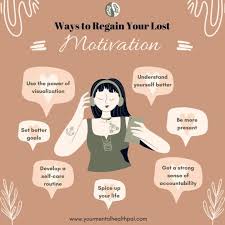
Know Your ‘Why’: Clearly understand why a task is important. Is it for personal growth? A shared goal?
A necessity?
Break It Down: Large tasks feel scary. Break them into small, doable steps. Celebrate each small win.
Make It Fun: Can you add a game element? Listen to music? Work with a friend?
Find ways to enjoy the process.
Reward Yourself: If intrinsic drive is low, set up small rewards. They don’t have to be big. A short break or a favorite snack can work.
Focus on Progress, Not Perfection: Don’t wait for everything to be perfect. Doing something is better than doing nothing. Progress builds momentum.
Change Your Environment: Sometimes a fresh space can help. Go to a cafe. Or just clean your desk.
A new setting can boost your mood and focus.
Find Accountability: Tell a friend about your goal. Or join a group. Knowing someone else is aware can be a great motivator.
Visualize Success: Imagine how good it will feel to finish. Or to achieve your goal. This mental picture can be very powerful.
These are simple ideas. But they can make a big difference. They help you tap into what drives you.
They help you get things done. And feel good about it too.
Frequently Asked Questions About Motivation
What is the main difference between intrinsic and extrinsic motivation?
The main difference is the source of the drive. Intrinsic motivation comes from within you. You do something because you enjoy it or find it interesting.
Extrinsic motivation comes from outside. You do something to get a reward or avoid punishment.
Can someone be both intrinsically and extrinsically motivated?
Yes, absolutely. Most people are motivated by a combination of both. For example, you might love your job because it’s challenging and interesting (intrinsic).
You also appreciate the salary and benefits (extrinsic). The balance can change over time.
Is intrinsic motivation always better than extrinsic motivation?
Intrinsic motivation is often seen as more powerful for long-term engagement, creativity, and well-being. However, extrinsic motivation is useful. It can help you start tasks you might otherwise avoid.
It’s best to aim for a healthy mix, with a focus on fostering intrinsic drive.
How does the overjustification effect work?
The overjustification effect happens when an external reward is added to an activity that was already intrinsically motivating. Over time, people may start to do the activity mainly for the reward. Their inner interest in the activity itself can decrease.
What are some examples of intrinsic motivation?
Examples include reading a book for pleasure, playing a musical instrument because you love the sound, learning a new language out of curiosity, solving puzzles for the challenge, or volunteering because you care about a cause.
What are some examples of extrinsic motivation?
Examples include working for a paycheck, studying for a test to get a good grade, cleaning your room to avoid being grounded, exercising to lose weight for an event, or completing a work project to get a bonus.
How can I increase my intrinsic motivation for a task I don’t enjoy?
Try to find a part of the task that interests you. Connect it to a larger goal you care about. See if you can gain mastery or improve your skills.
Make it more of a game or challenge. Give yourself small rewards for completing steps.
Wrapping Up: Finding Your Fuel
Understanding the push and pull of motivation is a journey. It’s about recognizing what truly sparks your interest. It’s also about knowing how external factors can help or hinder.
By paying attention to both intrinsic and extrinsic drives, you can build more meaning. You can find more joy in what you do every day. This awareness is the first step to lasting engagement.