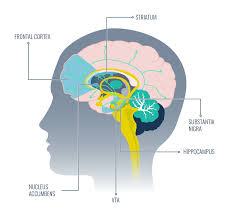
Have you ever felt that burst of excitement before a big event? Or that deep drive to finish a project you love? That feeling is closely tied to something called dopamine.
It’s a chemical in your brain that plays a huge role in how we feel motivated and happy.
Sometimes, though, our dopamine levels might feel a bit off. This can make us feel low on energy or struggle to get going. We’ll explore what dopamine is, how it helps us feel driven, and what can happen when it’s not quite balanced.
You’ll learn why it matters so much for your everyday life.
Dopamine is a neurotransmitter that acts as a messenger in your brain. It’s often called the “feel-good” chemical because it’s released when you experience pleasure. This release helps control movement, memory, and most importantly, your motivation and reward system. When dopamine is released, it signals that something good is happening or about to happen, driving you to repeat that behavior.
What is Dopamine? The Brain’s Motivation Molecule
Dopamine is a natural chemical in your brain. It’s a type of messenger called a neurotransmitter. Think of it like a tiny signal that travels between nerve cells.
These cells are called neurons. Dopamine helps these neurons talk to each other. This communication is vital for many things your body does.
It’s super important for how you move. It helps you walk, run, and even hold a pen. It also plays a part in how you learn and remember things.
Dopamine helps you form memories. It makes certain experiences feel rewarding. This makes you want to do them again.
The most famous role of dopamine is in your brain’s reward system. When you do something good, like eating a tasty meal or achieving a goal, your brain can release dopamine. This feels good.
It tells your brain, “Hey, that was great! Let’s do that again.” This is how dopamine drives our motivation.
How Dopamine Fuels Motivation and Reward
Imagine you are hungry. You see a picture of a delicious pizza. Your brain might start to anticipate how good it will taste.
This anticipation can trigger a release of dopamine. This dopamine surge doesn’t just make you feel good; it makes you want that pizza even more. It creates a drive to go get it.
Once you eat the pizza, you enjoy the taste. Your brain registers this as a reward. More dopamine is released.
This strengthens the connection between eating pizza and feeling good. So, next time you’re hungry, your brain will recall that pizza experience. It will again signal for dopamine to get you moving.
This reward system is powerful. It shapes our behavior. We are naturally drawn to things that give us dopamine.
This can be simple things like social interaction. It can also be complex goals like learning a new skill or completing a big work project. The promise of that dopamine reward keeps us going.
Dopamine isn’t just about feeling pleasure. It’s also about the drive to seek that pleasure. It’s the “wanting” more than the “liking.” This is a key point.
It’s the anticipation and the effort we put in that dopamine system helps fuel. Without it, we’d struggle to start tasks. We’d lack the push to achieve goals.
My Own Dopamine Low: The Day the Colors Faded
I remember a period a few years back. I felt like a cloud had settled over me. I used to jump out of bed, excited for the day.
Suddenly, getting up felt like a huge effort. My favorite hobbies felt… flat. Even talking to friends seemed like too much work.
I wasn’t sad, exactly. It was more like a lack of oomph. Nothing seemed truly exciting.
The things that normally gave me a spark just didn’t. I’d stare at my to-do list, feeling paralyzed. My brain just wouldn’t generate that little buzz of “let’s do this.”
I even noticed small things. My food tasted less vibrant. Music didn’t hit the same way.
It was like the world had gone a bit gray. I knew something was off. This wasn’t just feeling tired.
This felt like a fundamental part of my drive had switched off. I was genuinely worried.
That feeling stuck with me. It made me realize how much we depend on these internal signals. It showed me how crucial that dopamine spark is for our daily lives.
It was a stark reminder that our brain chemistry is deeply connected to how we feel and act. That experience pushed me to learn more.
Common Dopamine Triggers
Activities that boost dopamine:
- Eating delicious food
- Listening to music you love
- Exercising regularly
- Achieving a small goal
- Spending time with loved ones
- Learning something new
These activities signal rewards to your brain. This release of dopamine helps you feel good. It also encourages you to repeat these positive actions.
What Can Cause Low Dopamine Levels?
Several things can affect your dopamine levels. Sometimes, it’s just part of life. Other times, it can be linked to more serious issues.
Understanding these causes can help you see why you might be feeling a certain way.
One common factor is stress. Chronic stress can wear down your body’s systems. This includes the systems that produce and use dopamine.
Over time, this can lead to lower dopamine activity.
Poor diet plays a big role too. Your body needs certain nutrients to make dopamine. These include amino acids like tyrosine and phenylalanine.
If your diet lacks these, dopamine production might suffer. Too much sugar and processed foods can also mess with dopamine levels.
Lack of sleep is another major culprit. When you don’t get enough rest, your brain can’t function optimally. This affects neurotransmitter balance, including dopamine.
Sleep is when your brain repairs and resets itself.
Lack of physical activity is also linked. Exercise is a natural dopamine booster. If you’re mostly inactive, you miss out on these natural surges.
Your dopamine system may become less responsive.
Certain medications can also affect dopamine. Some drugs are designed to interact with dopamine. Others might have it as a side effect.
It’s always good to discuss any mood changes with your doctor if you start new meds.
Finally, some medical conditions directly impact dopamine. Parkinson’s disease, for example, involves the loss of dopamine-producing cells. Depression and ADHD are also conditions that can involve dopamine system dysregulation.
Dopamine vs. Serotonin: What’s the Difference?
Dopamine:
- Focus: Reward, motivation, pleasure, movement.
- Feeling: Excitement, drive, goal achievement.
- Associated with: Seeking rewards, learning.
Serotonin:
- Focus: Mood regulation, calmness, well-being, sleep.
- Feeling: Contentment, happiness, stability.
- Associated with: Feeling good about yourself and life.
They work together, but have different primary roles.
The Real-World Impact of Low Dopamine
When dopamine levels are low, it doesn’t just feel bad; it affects your daily life. You might find yourself procrastinating a lot. Tasks that used to be easy now seem daunting.
This can impact your work, your studies, and even your personal life.
Motivation is directly hit. The drive to start things or to keep going dwindles. This can lead to a feeling of being stuck.
You might feel uninspired or apathetic. The spark that gets you excited about life might dim. This can be disheartening.
Focus and concentration can also suffer. Dopamine helps regulate attention. Without enough of it, it’s harder to stay on task.
Your mind might wander easily. This makes it tough to get things done efficiently. You might make more mistakes due to lack of focus.
Physical symptoms can also appear. Some people experience fatigue. Others might have issues with coordination or muscle stiffness, especially in conditions like Parkinson’s.
Restless legs syndrome is also sometimes linked to dopamine issues.
Emotional well-being is a big one. While serotonin is more strongly linked to mood, dopamine plays a part. Low dopamine can contribute to feelings of low mood.
It can also make you feel less pleasure from things you once enjoyed. This is often called anhedonia.
Relationships can also be affected. If you lack the energy or motivation to engage with others, your social life can suffer. You might withdraw because it feels like too much effort.
This isolation can then further impact mood.
Signs of Potentially Low Dopamine
Look out for these signs:
- Lack of energy or motivation
- Feeling apathetic or uninspired
- Difficulty concentrating
- Procrastination
- Reduced pleasure from activities
- Feeling restless or agitated
- Muscle stiffness or tremors (in more severe cases)
It’s important to note that these signs can also be symptoms of other issues. Always consult a healthcare professional for a proper diagnosis.
My Kitchen Experiment: Boosting Dopamine Naturally
After that rough patch, I was determined to find ways to support my brain’s natural dopamine production. I decided to focus on my diet first. It felt like something I could control easily at home.
I started small, making a few key changes in my kitchen.
I began by adding more protein-rich foods to my meals. Things like lean meats, fish, eggs, and beans. I learned that tyrosine, an amino acid found in these foods, is a building block for dopamine.
It seemed logical to give my brain the raw materials it needed.
I also cut back on the really sugary stuff. Things like cookies, candy, and sugary drinks. I noticed how a sugar rush often led to a crash later.
I suspected this might be messing with my dopamine levels too. Swapping them for fruit felt much better.
Getting enough sleep became a priority. I set a consistent bedtime. I made sure my bedroom was dark and quiet.
I aimed for about seven to eight hours each night. This felt like a huge change at first, but the difference in my energy levels was noticeable.
And then there was exercise. I started with short walks in the park. Even 20 minutes made me feel a little brighter.
I slowly increased the duration and intensity. I found that moving my body helped clear my head and boost my mood.
It wasn’t an overnight fix. But over weeks, I started to feel more like myself. The grayness began to lift.
I found myself looking forward to things again. My motivation started to return. It was a powerful lesson in how small, consistent habits can make a big difference.
Quick Scan: Natural Dopamine Support
| Area | Action | Benefit |
|---|---|---|
| Diet | Eat protein (lean meats, eggs, beans). | Provides tyrosine for dopamine building. |
| Sleep | Aim for 7-9 hours of quality sleep. | Allows brain repair and neurotransmitter balance. |
| Exercise | Regular physical activity (walking, sports). | Boosts dopamine release and sensitivity. |
| Sunlight | Spend time outdoors daily. | Helps regulate mood and dopamine signals. |
| Mindfulness | Meditation or deep breathing. | Reduces stress, which can deplete dopamine. |
When is Low Dopamine a Concern?
Most of the time, feeling a bit low on energy or motivation is normal. Life throws curveballs. We all have days when we just don’t feel like doing much.
These periods usually pass. Your dopamine system bounces back on its own.
However, there are times when you should pay closer attention. If these feelings of low motivation and pleasure persist for weeks or months, it’s worth looking into. If it’s significantly interfering with your daily life, your job, or your relationships, that’s a signal.
Pay attention to physical symptoms. If you notice tremors, significant muscle stiffness, or problems with coordination that are new or worsening, these could be signs of a neurological issue affecting dopamine. Conditions like Parkinson’s disease are characterized by a loss of dopamine-producing cells.
Mental health conditions like depression and ADHD are often associated with dopamine imbalances. If you’re experiencing persistent sadness, hopelessness, or severe difficulty with focus and impulsivity, it’s important to seek professional help. A doctor can properly diagnose these conditions.
If you start new medications and notice a significant change in your mood, energy levels, or motivation, talk to your doctor. Some medications can affect dopamine pathways. Your doctor can help determine if the medication is the cause and what to do about it.
It’s also a concern if you find yourself relying on unhealthy coping mechanisms. This could include excessive use of drugs, alcohol, or gambling. These activities can artificially spike dopamine, leading to a cycle of dependence and further imbalances.
If you feel you are struggling with addiction, seek help immediately.
Dopamine and Addiction: A Warning
How it works:
- Addictive substances and behaviors cause a massive, artificial surge of dopamine.
- This surge feels extremely rewarding.
- Your brain then adapts, requiring more of the substance/behavior to get the same feeling.
- Natural dopamine production can become suppressed.
This leads to a cycle of craving and dependence. It highlights how powerful and easily manipulated the dopamine system can be.
Simple Steps for Supporting Your Dopamine System
You don’t need a complex plan to help your brain’s motivation system. Simple, everyday actions can make a big difference. Think of these as ways to gently nudge your dopamine levels in a healthy direction.
Eat a Balanced Diet: Focus on whole foods. Include lean proteins, fruits, vegetables, and healthy fats. These provide the building blocks your brain needs.
Avoid processed foods and excessive sugar, which can cause spikes and crashes.
Prioritize Sleep: Aim for 7-9 hours of quality sleep each night. Consistent sleep helps regulate your neurotransmitters, including dopamine. Create a relaxing bedtime routine and a dark, quiet sleep environment.
Get Moving: Regular exercise is a powerful dopamine booster. Find activities you enjoy, whether it’s walking, dancing, swimming, or team sports. Aim for at least 30 minutes most days of the week.
Seek Sunlight: Spending time outdoors, especially in the morning, can help regulate your body’s natural rhythms. Sunlight exposure is linked to mood improvement and can influence dopamine levels. Try to get at least 15-30 minutes of natural light daily.
Practice Mindfulness: Activities like meditation, deep breathing exercises, or yoga can help reduce stress. Chronic stress can deplete dopamine. Mindfulness helps calm your nervous system and can improve your brain’s ability to manage neurotransmitters.
Set Achievable Goals: Break down larger tasks into smaller, manageable steps. Completing these small goals provides little bursts of dopamine, creating a positive feedback loop. Celebrate your small wins!
Listen to Music: Enjoying music, especially songs that give you chills, can trigger dopamine release. Make time for music that uplifts you.
Engage in Hobbies: Pursue activities that you find interesting and enjoyable. Whether it’s reading, painting, gardening, or playing an instrument, engaging in hobbies that you love can provide a natural dopamine reward.
Myth vs. Reality: Dopamine
| Myth | Reality |
|---|---|
| Dopamine is only about pleasure. | Dopamine is more about motivation, anticipation, and reward-seeking. |
| You can directly increase dopamine by taking supplements. | While some supplements may indirectly support dopamine, direct, safe increases are complex and often require professional guidance. Diet and lifestyle are key. |
| Low dopamine means you’re depressed. | Low dopamine can contribute to depression symptoms, but depression is complex and involves many factors. |
| You can “boost” dopamine all day long. | Constant high dopamine isn’t healthy. A balanced system is best. Natural, moderate releases are beneficial. |
When to Talk to a Professional
If you’re concerned about your motivation, energy levels, or mood, it’s always a good idea to speak with a healthcare professional. They can help figure out what’s going on.
A doctor can rule out any underlying medical conditions. They can check if your symptoms are related to thyroid issues, vitamin deficiencies, or other health problems. They can also discuss your medication history.
For persistent low mood, lack of interest, or energy that doesn’t improve, a therapist or counselor can be incredibly helpful. They can provide strategies for managing depression or anxiety. They can also help you develop coping mechanisms and improve your overall well-being.
If you suspect you might have ADHD, a diagnosis requires a specialist evaluation. A doctor or a mental health professional can assess your symptoms and provide a treatment plan if needed. This often involves therapy and sometimes medication.
If you are struggling with addiction or substance abuse, seeking professional help is crucial. There are specialized programs and support systems designed to help you recover. Early intervention can make a significant difference.
Don’t hesitate to reach out. Your brain’s chemistry is complex. Sometimes, it needs a little expert help to get back into balance.
Talking to a professional is a sign of strength, not weakness.
Frequent Questions About Dopamine and Motivation
What is dopamine and why is it important for motivation?
Dopamine is a brain chemical called a neurotransmitter. It helps nerve cells communicate. It’s crucial for motivation because it’s released when you anticipate or experience a reward.
This release signals that something good is happening, driving you to seek out that reward again.
Can I boost my dopamine levels naturally?
Yes, you can support your brain’s natural dopamine system. Eating protein-rich foods, getting enough sleep, regular exercise, and spending time in sunlight are all natural ways to help. Engaging in enjoyable activities and hobbies also helps.
What foods are good for dopamine production?
Foods rich in tyrosine and phenylalanine are beneficial. These include lean meats, fish, eggs, dairy products, nuts, seeds, and legumes. Try to eat a balanced diet with plenty of fruits and vegetables too.
Are there supplements that increase dopamine?
Some supplements, like L-tyrosine, mucuna pruriens, and certain B vitamins, are thought to support dopamine production. However, it’s important to talk to a doctor before taking any supplements. They can advise on safety and effectiveness for your specific needs.
What happens if you have too much dopamine?
Having too much dopamine isn’t as common as low dopamine issues, but it can be linked to conditions like mania in bipolar disorder, schizophrenia, or drug-induced psychosis. It can lead to increased energy, impulsivity, and sometimes delusions or hallucinations.
How does dopamine relate to addiction?
Addictive drugs and behaviors cause unnaturally large spikes in dopamine. This intense reward signal makes the brain prioritize seeking the substance or behavior. Over time, the brain adapts, leading to cravings and dependence, often suppressing natural dopamine release.
Is low dopamine the same as depression?
No, they are not the same, but they can be related. Low dopamine can contribute to some symptoms of depression, like lack of motivation and pleasure. However, depression is a complex condition involving many brain chemicals and factors, not just dopamine.
Conclusion
Dopamine is your brain’s internal reward and motivation system. It’s what makes you feel driven to achieve your goals. Understanding how it works can help you appreciate your own drive.
By focusing on healthy habits, you can support your brain’s natural dopamine production and keep that spark alive.