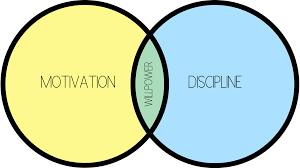
A goal setting worksheet helps you clearly define your objectives. It guides you through breaking down large aims into smaller, actionable steps. This process increases focus, boosts motivation, and makes achieving your dreams much more likely.
What a Goal Setting Worksheet Is
A goal setting worksheet is basically a tool. It’s a paper or digital form. It helps you write down your goals. It also guides you to plan how to reach them. Think of it as a map for your dreams. It has spaces for you to write. It asks you questions. These questions help you think deeply about what you want.
It’s more than just a list. A good worksheet prompts you to be specific. It asks you to think about why the goal matters. It helps you see the steps needed. It can even help you spot problems before they happen. This tool makes your goals feel real. It turns vague wishes into a concrete plan.
This structured approach is very helpful. It keeps you on track. It helps you measure your progress. Without a plan, goals often fade away. A worksheet keeps them front and center. It’s a constant reminder of what you’re working towards.
Why Setting Goals with a Worksheet Works
Why does a simple piece of paper work so well? It’s about clarity. Our minds can be messy. Goals can get jumbled up. A worksheet brings order. It forces you to think clearly. This is key to success. It taps into how our brains like to work.
When you write something down, it becomes more solid. It’s like making a promise to yourself. This promise is now visible. It’s not just floating in your head. The act of writing helps make it real. It engages your brain more deeply. This makes you more committed.
Worksheets also help with motivation. Seeing your goals written out is inspiring. Seeing the small steps makes the big goal less scary. Each step you complete is a win. This builds momentum. It keeps you going when things get tough. It’s a powerful psychological boost.
My Own Goal Setting Struggle
I remember a time when I felt stuck. I had so many things I wanted to do. I wanted to learn a new skill. I wanted to save more money. I wanted to exercise more often. But days turned into weeks. Nothing really changed. I felt like I was just busy, not productive.
One evening, feeling really discouraged, I sat down. I had a notebook. I started just writing down everything I wished for. It was a long, messy list. Then I felt a wave of overwhelm. How could I possibly do all of that? It felt impossible. The list just made me feel worse.
Then I remembered an old book I had. It talked about breaking big goals into tiny pieces. So, I picked just one thing from my list: learning a new skill. I tried to think of the smallest possible first step. It was something like, “Find one online tutorial.” It felt so small, almost silly. But writing it down felt different. It felt like I could actually do it. That small step was the start of me understanding the power of a focused approach. It was the beginning of my love for goal setting worksheets.
The Core Elements of a Goal Setting Worksheet
A good worksheet usually includes these key parts:
- The Goal Itself: What do you want to achieve?
- Why It Matters: What’s the purpose?
- Action Steps: What are the specific tasks?
- Timeline: When will you do them?
- Resources Needed: What do you need to help you?
- Potential Obstacles: What might get in the way?
Building Your Own Goal Setting Worksheet
Creating your own worksheet is a great idea. You can tailor it to your needs. You can make it fit your style. Here’s how to build a useful one.
Step 1: Define Your Goal Clearly
Start with one main goal. Make it specific. Instead of “get fit,” try “run a 5k race.” This is the first step. Write it in big letters at the top. This is your main target.
Think about the SMART goals framework. SMART stands for Specific, Measurable, Achievable, Relevant, and Time-bound. Your goal should fit these ideas.
Specific: What exactly do you want to do?
Measurable: How will you know when you’ve reached it?
Achievable: Is it possible for you to do it?
Relevant: Does it matter to you?
Time-bound: When do you want to finish it?
Step 2: Explore Your “Why”
This is very important. Why do you want this goal? What will happen when you reach it? Write down your reasons. These are your motivators. They will help you when you feel tired.
For example, if your goal is to run a 5k, your “why” might be to feel healthier. It might be to prove to yourself you can do it. It could be to join friends who run.
Knowing your “why” gives your goal meaning. It makes it more than just a task. It connects to your deeper values and desires. This makes you more likely to stick with it.
Understanding Motivation: Internal vs. External
Internal Motivation: Comes from within you. It’s about enjoyment, curiosity, or personal satisfaction. (e.g., learning for fun).
External Motivation: Comes from outside. It’s about rewards or avoiding punishment. (e.g., getting a bonus).
Goals tied to internal motivation are usually more powerful for long-term success.
Step 3: Break It Down into Action Steps
This is where the magic happens. Take your big goal. Break it into smaller steps. These steps should be very small. Think about what you need to do first. Then what comes next. And after that.
For the 5k goal, steps might be:
- Research local running clubs.
- Buy comfortable running shoes.
- Start a walk-run program for 10 minutes.
- Increase running time by 2 minutes each week.
- Find a 5k race event.
Make each step an action you can actually take. Use action verbs. Make them clear so you know exactly what to do.
Step 4: Set Deadlines and a Timeline
Give each small step a deadline. This creates a sense of urgency. It helps you stay on track. Your main goal should also have a final deadline.
For instance, if your 5k race is in three months, you can set weekly goals. This week, find shoes. Next week, start running. This makes the overall goal feel manageable.
Think about your calendar. When can you realistically work on each step? Be honest with yourself. Overloading your schedule can lead to failure. It’s better to have a realistic pace. It keeps your motivation high.
Quick-Scan Table: Planning Your 5k Goal
| Action Step | Deadline | Status |
|---|---|---|
| Research running shoes | End of Week 1 | Not started |
| Start walk-run program (10 min) | End of Week 2 | Not started |
| Increase run time by 2 min | Weekly | Ongoing |
| Find a 5k race event | End of Month 1 | Not started |
Step 5: Identify Resources and Potential Obstacles
What do you need to succeed? This could be money, tools, information, or help from others. List these out. Having them ready prevents delays.
Also, think about what might stop you. What problems could come up? Common issues include lack of time, feeling tired, or unexpected events. Knowing these ahead of time lets you plan solutions. You can prepare for them.
For the 5k, resources might be running shoes and a park for training. Obstacles could be bad weather or a busy work schedule. A solution for weather could be indoor treadmill training if available. For a busy schedule, maybe waking up earlier to run.
Obstacle Planning: What If?
Scenario: Feeling unmotivated to run.
Potential Solution: Call a running buddy to go with you. Or, plan a small reward for after the run (like a relaxing bath).
Scenario: Unexpected work overtime.
Potential Solution: Adjust your running schedule for that week. Perhaps split your run into two shorter sessions. Or, focus on a different goal temporarily.
Step 6: Plan How You’ll Track Progress
How will you know you’re moving forward? You need a way to track your steps. This could be a checkbox next to each step. Or a section to write notes about your progress.
Tracking is key. It shows you how far you’ve come. It gives you a sense of accomplishment. It also shows you if you’re falling behind. This allows you to adjust your plan. Don’t skip this part; it’s super important.
You could also use a calendar. Mark off the days you complete a step. Seeing a filled calendar can be very motivating. It’s visual proof of your hard work.
Progress Tracking Methods
- Checklists: Simple boxes to tick off.
- Journals: Writing about your experiences.
- Charts/Graphs: Visualizing data (e.g., miles run).
- Habit Trackers: Apps or printables for daily tasks.
Using Your Goal Setting Worksheet Effectively
Just having a worksheet isn’t enough. You need to use it. Make it a habit. Treat it like an important appointment.
Schedule Regular Check-ins
Set aside time each week. Maybe it’s Sunday evening or Monday morning. Look at your worksheet. See what you did. Plan what you’ll do next week. This keeps your goals active in your mind.
During these check-ins, be honest. Did you meet your goals for the week? If not, why? Don’t judge yourself. Just understand what happened. Then adjust your plan for the next week.
These regular reviews are vital. They prevent you from losing focus. They ensure you’re always moving forward, even if slowly. They are the engine that keeps your goal pursuit alive.
Stay Flexible and Adapt
Life happens. Things change. Your plan might need to change too. Don’t be afraid to adjust your steps. Or even your deadlines. The goal is still the same, but the path might twist and turn.
If a step isn’t working, don’t force it. Try a different approach. Maybe you need more information. Maybe you need a different resource. The key is to keep moving towards the goal. Flexibility is a sign of strength, not weakness.
Sometimes, goals might even need to change. If you learn something new that makes the goal less relevant, it’s okay to pivot. Your worksheet is a tool to help you, not a master to obey blindly.
Contrast Matrix: Rigid vs. Flexible Planning
Rigid Planning:
- Sticks to the original plan no matter what.
- May lead to burnout or frustration if changes occur.
- Can miss opportunities for better approaches.
Flexible Planning:
- Allows for adjustments based on new information or circumstances.
- Promotes learning and adaptation.
- Increases the likelihood of long-term success by staying relevant.
Celebrate Your Wins, Big and Small
Every step you complete is a victory. Don’t forget to acknowledge them. This keeps your motivation high. It makes the journey enjoyable.
Did you finish a tough step? Treat yourself to something small. It could be watching a favorite movie. Or having a special coffee. These little rewards reinforce positive behavior. They make you feel good about your progress.
When you reach your main goal, celebrate in a big way! This is important. It shows you the rewards of your hard work. It makes you more likely to set and achieve future goals. The feeling of accomplishment is powerful.
When Goals Become a Habit
Over time, using your worksheet will change you. Setting and achieving goals will feel more natural. It becomes a part of who you are. You start to see possibilities everywhere.
You’ll get better at breaking things down. You’ll become more skilled at spotting problems. Your confidence will grow. This positive cycle is powerful. It leads to continued growth and success in many areas of your life.
It’s like learning to ride a bike. At first, it’s wobbly and scary. You fall. But you get back up. Soon, you’re pedaling smoothly. You’re even doing tricks. Your goal-setting journey is similar. The worksheet is your training wheels.
The Habit Loop: Cue, Routine, Reward
Cue: Seeing your worksheet or a scheduled time.
Routine: Reviewing your goals, planning steps, completing tasks.
Reward: Feeling of accomplishment, progress tracking, positive reinforcement.
By consciously applying this loop, you build a powerful habit of goal achievement.
Common Pitfalls to Avoid
Even with a great worksheet, some things can trip you up. Being aware of these helps you navigate them.
Setting Too Many Goals at Once
It’s tempting to try to change everything at once. But this often leads to failure. You spread yourself too thin. You end up not making progress on any of them.
It’s better to focus. Choose one or two main goals. Give them your full attention. Once you achieve those, you can set new ones. Quality over quantity is key here.
Think about it like juggling. If you try to juggle too many balls, they all drop. Start with two, get good at it, then add a third. Your goals are like those balls.
Not Being Realistic
Goals should stretch you. But they must also be achievable. Setting goals that are too hard can be demotivating. It feels impossible from the start.
Be honest about your time, energy, and resources. Look at your past successes and failures. Use that information to set realistic targets. It’s okay to start small and build up.
Remember the SMART framework? ‘Achievable’ is a crucial part. If a goal isn’t achievable, it’s just a wish, not a plan.
Forgetting to Review and Update
A worksheet is not a one-time thing. It’s a living document. As you progress, you need to review it. You might need to update your steps or deadlines.
If you just fill it out once and forget it, it loses its power. Regular check-ins (as we discussed) are vital. They keep your goals relevant and actionable. Don’t let your worksheet gather dust.
Consider setting reminders on your phone. A weekly pop-up can prompt you to open your worksheet. This small nudge can make a big difference. It ensures your goals remain a priority.
Myth vs. Reality: Goal Setting
Myth: You need to set many goals to be successful.
Reality: Focusing on one or two key goals allows for deeper progress and higher success rates.
Myth: Goals should be extremely challenging.
Reality: Goals should be achievable yet challenging enough to promote growth. Realism is essential.
Myth: Once a goal is set, the plan can’t change.
Reality: Flexibility is key. Adapting to new information or circumstances improves the chances of success.
When to Seek More Help
A worksheet is a fantastic tool. But sometimes, you might need more support. If you consistently struggle to set or achieve goals, it might be time to look beyond the worksheet alone.
Consider talking to a mentor or coach. They can offer personalized advice. They can help you identify deeper issues. Sometimes, external professional guidance is needed. This is not a sign of failure, but of smart self-awareness.
For instance, if your goals relate to career growth, a career counselor can help. If they are about mental well-being, a therapist might be appropriate. Don’t hesitate to seek expert help when needed. It’s an investment in yourself.
Final Thoughts on Your Goal Journey
Using a goal setting worksheet is a powerful habit. It brings clarity to your dreams. It breaks down big ambitions into doable steps. It keeps you motivated and on track.
Remember to be specific. Understand your “why.” Break your goal into tiny actions. Track your progress. Celebrate your wins. And don’t be afraid to adjust your plan.
Your goals are within reach. With a good worksheet and consistent effort, you can achieve them. Start building your worksheet today. Your future self will thank you.
Frequently Asked Questions About Goal Setting Worksheets
What’s the best way to start a goal setting worksheet?
Start by choosing one main goal you want to achieve. Write it clearly at the top. Then, ask yourself why this goal is important to you. This forms the foundation of your worksheet.
How many goals should I put on one worksheet?
It’s best to focus on one primary goal per worksheet. If you have a few related goals, you might create separate worksheets for each or structure one worksheet to cover them, but avoid overwhelming yourself with too many unrelated objectives.
Can I use a digital worksheet instead of paper?
Yes, absolutely! Many people find digital tools like spreadsheets (Google Sheets, Excel) or specialized apps very effective. The most important thing is that it works for you and helps you stay organized.
What if I miss a deadline on my worksheet?
Don’t worry if you miss a deadline. Life happens! Review why it happened. Adjust your timeline or your plan if needed. The goal is progress, not perfection. Simply get back on track as soon as possible.
How often should I update my goal setting worksheet?
A weekly review is highly recommended. This allows you to check progress, plan the next steps, and make any necessary adjustments. You might also update it more if a significant event or change occurs.
Is it okay to change my goal after I’ve started?
Yes, it is! As you work towards a goal, you might learn new things or your priorities might shift. It’s perfectly fine to adjust your goal if it no longer feels right or relevant. Your worksheet is a tool to help you, so it should adapt with you.