Setting goals is easy. Making them happen is the hard part. This article explains the common reasons goals fail and offers clear, simple steps to help you achieve yours. It focuses on practical steps and understanding the human side of motivation.
Why Your Goals Might Be Falling Short
You’ve probably heard advice like “write your goals down.” Or maybe “make them SMART.” These tips are good. They can help. But they often miss the real reasons goals don’t stick.
It’s usually not about a lack of trying. It’s more about how we set them and what happens after. We need to look at the whole picture.
Think about it. Your brain is amazing. But it also likes comfort.
Big changes can feel scary. Goals often ask us to step out of our comfort zone. That’s where things get tricky.
We might set goals that are too big. Or maybe they don’t feel truly important to us. Or we don’t have a good plan for when things get tough.
Understanding these deeper reasons is key. It’s like finding the root of a weed. If you just cut the top, it grows back.
You need to pull out the whole thing. We’ll dig into these roots together. We’ll look at what’s really going on inside us.
Then we can find ways to fix it. Ways that actually work.
My Own Goal Setting Setback
I remember one year, I decided to learn Spanish. I bought books. I downloaded an app.
I even told friends I was going to be fluent. I was so pumped! The first week was great.
I learned “hola” and “gracias.” I felt like a language genius. Then, my work got super busy. My evenings were packed.
The Spanish app sat on my phone, a little notification bubble mocking me. The books gathered dust on my shelf. I felt guilty.
But honestly, I was also just tired. And the thought of trying to cram Spanish after a long day felt like another chore. It wasn’t fun anymore.
It was just… hard work. My initial excitement just melted away.
That experience taught me a lot. It wasn’t that I didn’t want to learn Spanish. It was that my goal was too vague.
I hadn’t thought about how I would fit it into my life. I didn’t plan for the “life happens” moments. I didn’t connect it enough to a deeper reason why I wanted to learn it.
It was just an idea, not a real plan. This is a super common problem.
Common Goal Setting Pitfalls
Vague Goals: Not knowing exactly what you want. Like wanting to “get fit” instead of “walk for 30 minutes, 3 times a week.”
Unrealistic Expectations: Aiming for too much, too soon. Trying to lose 20 pounds in a month, for example.
Lack of Motivation: The goal isn’t personally meaningful. It’s something you “should” do, not something you genuinely desire.
No Plan for Obstacles: Not thinking about what to do when life gets in the way. Life always gets in the way.
The Science Behind Why Goals Fail
Our brains are wired for survival and comfort. Big changes often feel like a threat. This is why we procrastinate.
It’s why we fall back into old habits. Our brain is trying to protect us from perceived danger. That “danger” can be as simple as feeling stressed or tired.
When you set a goal, you’re asking yourself to change. This change often involves effort. Effort uses energy.
If you’re already low on energy, your brain says, “Nope, too risky!” It’s much easier to do what you’ve always done. That’s why consistency is so hard.
Also, we tend to focus on the outcome. We want to be fit, rich, or skilled. We don’t often focus enough on the process.
The daily steps. The small actions. These small actions build up.
They create new habits. New habits are what lead to lasting change. Without focusing on the process, the outcome feels too far away.
It becomes demotivating.
Another big factor is our environment. Our surroundings can either help or hurt our goals. If your kitchen is full of junk food, trying to eat healthy is much harder.
If you want to save money but have too many tempting shopping apps, it’s a struggle. Our environment often works against our best intentions.
Your Brain on Goals
Amygdala’s Role: This part of your brain signals danger. Big goals can trigger it, making you feel anxious.
Prefrontal Cortex: This helps with planning and decision-making. It’s what you use to set and stick to goals. It needs fuel (energy) and focus.
Habit Loops: Our brains love routines. Goals often require breaking old habits and forming new ones. This takes conscious effort at first.
Dopamine Hit: We get a small reward (dopamine) when we achieve something. Focusing on small wins helps keep motivation up.
The “Why” Behind Your Goal Matters Most
Have you ever set a goal because you felt you should? Maybe your doctor told you to eat better. Or your friends are all running marathons.
You might start, but it’s unlikely to last. Why? Because it’s not your true desire.
It’s someone else’s idea for you.
When a goal comes from deep within you, it has power. It’s tied to your values. It’s linked to what truly makes you happy or fulfilled.
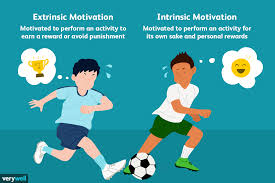
This is what experts call “intrinsic motivation.” It’s motivation that comes from inside. It doesn’t need constant external rewards or pressure.
Think about hobbies you’ve loved. You probably didn’t need someone to tell you to do them. You did them because you enjoyed the process.
You felt good doing them. Goals that are like that are the ones that stick. They feel less like work and more like a natural part of your life.
So, ask yourself: “Why do I really want this?” Is it to prove something to others? Or is it to improve yourself? Is it for recognition?
Or for genuine self-satisfaction? The clearer and more positive your “why,” the stronger your foundation for success.
Finding Your True “Why”
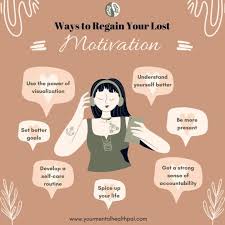
Ask “Why” Five Times: Keep asking why you want something. Each answer can lead you closer to the real reason.
Connect to Values: Does the goal align with what’s most important to you? Like family, health, or learning?
Visualize Success: Imagine how achieving the goal will feel. What positive changes will happen?
Focus on Growth: Does the goal help you become a better version of yourself?
The Problem with “All or Nothing” Thinking
This is a huge one for many people. You have a plan. You miss one day.
Maybe you skip one workout. Or you eat a cookie. Suddenly, you think, “Well, I blew it.
Might as well give up.” This “all or nothing” mindset is a goal killer.
Life isn’t perfect. You will have off days. You will make mistakes.
The goal isn’t to be perfect. The goal is to keep going. A slip-up doesn’t erase all your progress.
It’s just a bump in the road. The key is to get back on track as quickly as possible.
Imagine learning to ride a bike. You fall down. Do you quit forever?
No. You get back up. You try again.
You learn to balance. Goals are the same. You need to be kind to yourself.
You need to see setbacks as learning opportunities, not as signs of failure.
This also applies to how we set goals. Sometimes we set goals that are too strict. “I will never eat sugar again.” Or “I will work out for two hours every single day.” These kinds of rules are hard to follow.
They leave no room for life. They set you up for feeling like a failure when you can’t meet them.
Breaking the “All or Nothing” Cycle
Focus on “Good Enough”: Aim for progress, not perfection. One healthy meal is better than none.
Forgive Yourself: Everyone has bad days. Don’t dwell on it. Just start again tomorrow.
Build Resilience: See challenges as chances to learn and grow stronger.
Be Flexible: If a rule is too hard, adjust it. Make it work for your life.
How to Make Your Goals Actually Stick: Practical Steps
So, we’ve talked about why goals often fail. Now, let’s look at what works. It’s not about a magic trick.
It’s about smart planning and understanding yourself. We want to build habits that support our goals. We want to make it easier to succeed.
First, let’s refine how we set goals. Instead of just “get fit,” try “walk for 30 minutes, three times this week.” This is specific. It’s measurable.
It’s achievable. It’s relevant to your health. It has a time frame.
This is the SMART framework, but we’ll make it even more practical.
Next, break big goals down. Want to write a book? Don’t think about the whole book.
Think about writing 500 words today. Or writing for 30 minutes. Small, manageable steps are less scary.
They build momentum. Each small win feels good and encourages you to continue.
We also need to build in accountability. Tell a friend. Join a group.
Use a tracker. Knowing someone else knows what you’re trying to do can be a big motivator. It’s harder to quit when others are cheering you on or expecting an update.
And finally, review and adjust. Goals aren’t set in stone. Your life changes.
Your priorities might shift. It’s okay to tweak your goals. Or even change them if they no longer serve you.
The point is to keep moving forward in a way that feels right for you.
Actionable Steps for Goal Success
1. Clarify Your “Why”: Deeply understand your personal reasons for wanting the goal.
2. Make It Specific & Tiny: Break down large goals into the smallest possible first step.
3. Schedule It: Put your goal actions into your calendar like any other appointment.
4. Plan for Obstacles: Think about common problems and how you’ll handle them before they happen.
5. Find an Accountability Partner: Share your goal with someone you trust.
6. Track Progress & Celebrate Wins: Acknowledge your efforts, big and small.
Creating an Environment That Supports Your Goals
Your surroundings play a massive role. If you want to eat healthier, your kitchen should reflect that. Keep healthy snacks visible.
Store tempting foods out of sight. If you want to read more, have books by your favorite chair. Make it easy to do the right thing.
Think about your digital life too. Unfollow social media accounts that make you feel bad. Turn off notifications that distract you.
Create a quiet space for focused work or study. Our environment is a silent coach. We want it to coach us toward success.
For example, if your goal is to drink more water, keep a water bottle on your desk or in your bag. Seeing it reminds you to drink. If you want to save money, avoid browsing online shops when you’re bored.
Change your default search engine to one that doesn’t show ads for retailers.
This isn’t about being perfect. It’s about setting up systems that make your goals easier to achieve. It’s about reducing friction.
It’s about removing barriers. When your environment is working with you, your goals feel much more natural and less like a constant battle.
Environment Hacks for Success
Visibility: Keep healthy foods, workout clothes, or books in plain sight.
Accessibility: Make it easy to do the desired action. Put your running shoes by the door.
Friction Reduction: Make unwanted actions harder. Delete tempting apps, log out of shopping sites.
Dedicated Space: If possible, create a specific area for tasks related to your goal.
The Power of Small, Consistent Wins
We often think we need huge breakthroughs to make progress. That’s rarely true. The real magic happens in the small, consistent actions.
Doing something small every day adds up. It builds momentum. It creates a sense of accomplishment.
This is how lasting change happens.
Instead of aiming for a massive leap, focus on tiny steps. Want to exercise more? Start with 10 minutes.
Want to learn an instrument? Practice for 15 minutes. These small actions are easy to do.
They don’t feel overwhelming. They build confidence.
When you complete these small tasks, acknowledge them. Give yourself a mental pat on the back. This reinforces the positive behavior.
It tells your brain, “Hey, this feels good! Let’s do it again.” This creates a positive feedback loop.
Think of it like building a wall. You don’t lay all the bricks at once. You lay one brick at a time.
Each brick is small. But together, they build something strong and lasting. Small wins are the bricks of your goals.
They might seem insignificant on their own, but they are the foundation of all great achievements.
Small Wins Strategy
Daily Habits: Focus on creating daily routines, no matter how small.
Mini-Goals: Set tiny, achievable goals for each session.
Momentum Building: Use the energy from completing one small task to start the next.
Positive Reinforcement: Celebrate completing each mini-goal.
When to Re-evaluate or Let Go
It’s important to know that not all goals are meant to be. Sometimes, we set goals that are truly not right for us. Maybe you’ve tried hard, and it’s just not working.
Or perhaps your priorities have changed. It’s okay to pivot.
If a goal is causing you extreme stress. If it’s impacting your health negatively. Or if it simply doesn’t bring you joy anymore, it might be time to re-evaluate.
This isn’t failure. It’s smart self-management. It’s choosing what’s best for you now.
Consider what you’ve learned from trying. Every attempt at a goal, even if not fully achieved, teaches you something. You learn about your preferences, your limits, and your strengths.
You can use that knowledge for future goals. Don’t see it as wasted effort. See it as valuable experience.
Sometimes, the goal itself needs adjusting. Maybe you wanted to run a marathon but realize that’s too intense. You could adjust it to running a half-marathon or just aiming for regular 5k runs.
The core desire might still be there, but the execution needs a tweak.
Knowing When to Adjust or Stop
Persistent Unhappiness: If working towards the goal makes you consistently unhappy.
Health Impact: If it negatively affects your physical or mental well-being.
Shifting Priorities: If new, more important goals have emerged.
Lack of Progress Despite Effort: If you’ve tried multiple strategies and still see no movement.
Common Questions About Goal Setting
Why do I lose motivation after the first week of setting a goal?
Often, initial motivation is fueled by excitement and novelty. As the goal becomes routine, the challenge of effort sets in. To combat this, connect deeply with your “why,” break goals into tiny steps, and build supportive habits.
Small wins also help keep motivation alive.
Is it bad if my goals change over time?
Not at all! Goals changing is a sign of growth and self-awareness. Life circumstances shift, and so can your priorities.
It’s good to re-evaluate your goals periodically. If a goal no longer serves you, it’s wise to adjust it or pursue a new one that aligns better with your current life.
How can I stay disciplined when I don’t feel like it?
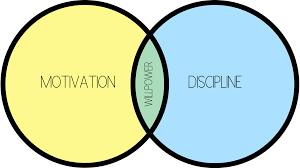
Discipline is less about forcing yourself and more about building systems. Focus on making the desired action easy and the undesired action hard. Create routines and environments that support your goals.
Remind yourself of your “why.” Celebrate small progress to keep motivation up.
What’s the difference between a goal and a habit?
A goal is a specific target you aim to achieve (e.g., run a marathon). A habit is an action you do regularly, often without thinking (e.g., brushing your teeth). Good habits are often the means to achieve your goals.
You build habits that support your larger goals.
Should I share my goals with others?
Sharing your goals can be helpful for accountability. It can provide support and encouragement. However, it’s also a personal journey.
Choose wisely who you share with. Some people find it works best to share with a few trusted friends or a mentor, rather than broadcasting it widely.
How do I set realistic goals if I’m starting from scratch?
Start incredibly small. Think about the absolute smallest step you can take. If you want to exercise, maybe it’s just putting on your workout clothes.
If you want to read, it’s reading one page. Focus on consistency with these tiny actions. Gradually increase the time or effort as you build confidence and momentum.
Wrapping Up: Your Path Forward
Setting goals is a journey, not a destination. It’s okay if you stumble. The important thing is to learn from it.
Understand why your goals might not be working. Then, make small, smart changes. Focus on your “why.” Build supportive habits.
Create an environment that helps you win. Be kind to yourself along the way.
Your goals are yours to shape. They can guide you. They can inspire you.
But they should also feel achievable and right for you. By understanding the common pitfalls and adopting practical strategies, you can move from wishing to doing. You can make your aspirations a reality.