Yearly goal planning involves setting specific, measurable, achievable, relevant, and time-bound (SMART) objectives for a one-year period. It helps focus efforts, track progress, and achieve desired outcomes by breaking down larger ambitions into manageable steps for the upcoming year.
What is Yearly Goal Planning?
Yearly goal planning is the process of deciding what you want to achieve in the next twelve months. It’s like making a map for your year. You decide where you want to go.
Then you figure out the best way to get there.
This plan helps you stay on track. It gives you a clear direction. Without a plan, it is easy to drift.
You might get busy with daily tasks. Your big dreams can get forgotten. Good planning stops this from happening.
It is more than just wishing. It means writing things down. It means making a real strategy.
This strategy helps you reach your dreams. It makes them feel closer. It makes them feel possible.
My Own Goal Setting Struggles
I remember one year, I wanted to read more books. I told myself, “I’ll read 50 books this year!” I bought a stack of books. I felt so good.
Then, life happened. My work got busy. Friends wanted to hang out.
Netflix called my name. The books just sat there. By December, I had read maybe five books.
I felt really bummed out. My big goal felt like a failure. I learned I needed a better way to plan.
That year, I realized I had set a goal without a plan. I didn’t think about how I would read. I didn’t think about when I would read.
I just had the idea. It felt too big to tackle. I felt a little silly.
I thought maybe I just wasn’t a “reader.” But deep down, I knew I wanted to read. I just needed to find a way that worked for me. It took some trial and error.
Now, I have a system that helps me reach my reading goals year after year.
Key Elements of Yearly Goals
Clarity: What exactly do you want?
Measure: How will you know you got there?
Action: What steps will you take?
Time: When will you do it?
Purpose: Why is this important to you?
Why Yearly Goal Planning Matters
Setting goals for the year helps you focus. It gives your time purpose. Instead of just letting the days pass, you actively shape your year.
It helps you see what is important. You can focus your energy. This means less wasted effort.
You spend time on things that matter most to you. This is a big deal. Time is precious.
We only have so much of it.
Goals also push you to grow. They encourage you to try new things. You might learn new skills.
You might meet new people. This helps you become a better version of yourself.
It gives you something to work towards. This can be very motivating. When you hit a small goal, it feels good.
This keeps you going. It builds momentum for bigger goals.
Types of Goals to Consider
Career: Promotions, new jobs, skill development.
Financial: Saving, investing, paying off debt.
Health: Fitness, diet, mental well-being.
Personal Growth: Learning, hobbies, self-improvement.
Relationships: Family, friends, community.
Making Your Goals SMART
The SMART system is very helpful. It makes goals more likely to happen. Let’s break it down.
Specific: Be very clear. Instead of “get fit,” say “walk 30 minutes three times a week.”
Measurable: How will you track it? For “save money,” say “save $500 per month.”
Achievable: Is it realistic for you? Don’t aim for climbing Mount Everest if you’ve never hiked before.
Relevant: Does it matter to you? Does it fit your life? If you hate running, a running goal might not be for you.
Time-bound: When will you finish it? Set a deadline. “Finish the online course by July 31st.”
Using SMART makes goals feel less like wishes. They become real targets.
SMART Goal Example:
Not SMART: Get healthy.
SMART: Walk 30 minutes, 5 days a week, to lose 10 pounds by the end of the year. (Specific, Measurable, Achievable, Relevant, Time-bound)
Where to Start Your Yearly Goal Planning
Begin by looking back. Think about the past year. What went well?
What didn’t go so well? What did you learn?
Consider your values. What is truly important to you? Family?
Creativity? Security? Your goals should match these values.
Then, think about your dreams. What do you hope for? What would make this year amazing?
Write everything down. Don’t hold back. Get all your ideas out.
This can be on paper or on a computer. Just get it somewhere you can see it.
After you brainstorm, start picking. Choose a few key goals. It’s better to have 3-5 strong goals than 20 weak ones.
Focus is key.
Brainstorming Questions:
What did I accomplish last year that I’m proud of?
What challenges did I face, and what did they teach me?
What do I want more of in my life?
What do I want less of in my life?
What skills do I want to learn or improve?
How do I want to feel at the end of this year?
Breaking Down Big Goals
A year is a long time. A big goal can feel overwhelming. So, break it into smaller pieces.
Think of it like climbing a staircase.
You don’t jump to the top step. You take it one step at a time. For your yearly goals, think about smaller steps.
Break your yearly goal into quarterly goals. What do you want to achieve in the first three months? Then, what about the next three months?
Next, break quarterly goals into monthly goals. What must happen each month to reach your quarterly target?
Finally, break monthly goals into weekly actions. What do you need to do each week? These are the small steps you take daily.
This makes big goals feel much more manageable. You can focus on the next small step. This is easier than thinking about the whole year at once.
Breaking Down a Goal Example:
Yearly Goal: Write and publish a novel.
Quarterly: Finish first draft of novel.
Monthly: Write 5,000 words per month.
Weekly: Write 1,250 words per week.
Daily: Write for 30 minutes each day.
Tracking Your Progress
It’s vital to track how you’re doing. This keeps you motivated. It also helps you see if you need to change your plan.
Use a journal. A notebook is great for this. Write down your weekly actions.
Note if you completed them. Mark your progress.
You can use apps too. Many apps help you track goals. Some are simple to-do lists.
Others are more complex trackers.
A simple spreadsheet works well. List your goals. Have columns for start date, target date, and current status.
Update it regularly.
Seeing your progress visually is powerful. You can see how far you’ve come. This is a great boost when things get tough.
It reminds you why you started.
Review your progress often. Maybe once a week. Or once a month.
This check-in is important. It helps you stay on course. It allows for quick adjustments.
Tracking Methods:
- Bullet journal
- Spreadsheet (Excel, Google Sheets)
- Goal-tracking apps (e.g., Strides, Habitica)
- Whiteboard in your home
- Vision board with progress markers
Staying Motivated All Year Long
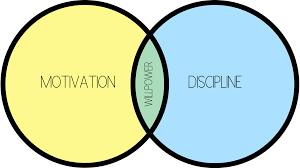
Motivation can be tricky. It comes and goes. You won’t feel excited every single day.
That’s okay.
First, remember your “why.” Why did you set this goal? Keep that reason front and center. Write it down and put it somewhere you see it often.
Celebrate small wins. Did you hit your weekly writing goal? Treat yourself!
Acknowledge your effort. This makes the journey more enjoyable.
Find an accountability partner. This could be a friend or family member. Share your goals with them.
Ask them to check in on you. Knowing someone else knows can help.
Be kind to yourself. You will have off days. You might miss a step.
Don’t beat yourself up. Just get back on track the next day. Progress isn’t always perfect.
Mix things up. If your routine gets boring, change it. Try a new walking route.
Listen to a different podcast while you work. Small changes can make a big difference.
Motivation Boosters:
Visual Reminders: Photos, quotes, vision boards.
Rewards: Small treats for hitting milestones.
Support System: Friends, family, online groups.
Positive Self-Talk: Encourage yourself.
Breaks: Step away when feeling stuck.
Common Pitfalls in Yearly Goal Planning
Many people make the same mistakes. Understanding these can help you avoid them.
One big mistake is setting too many goals. Your energy gets spread too thin. You end up not making much progress on any of them.
Focus is much better.
Another pitfall is setting vague goals. If a goal isn’t clear, you won’t know what to do. Or you won’t know if you’ve succeeded.
SMART goals fix this.
Not tracking progress is also common. If you don’t measure, how do you know if you’re moving forward? You might think you’re stuck when you’re actually making progress.
Ignoring flexibility is another issue. Life happens. Sometimes you need to adjust your plan.
Rigid goals can break when faced with reality. Be ready to adapt.
Finally, not reviewing your goals is a problem. You set them at the start of the year. Then you forget about them.
Regular reviews keep them alive.
Mistake vs. Solution
Mistake: Too Many Goals. Solution: Focus on 3-5 key goals.
Mistake: Vague Goals. Solution: Use the SMART framework.
Mistake: No Tracking. Solution: Record progress weekly.
Mistake: Too Rigid. Solution: Be open to adjusting your plan.
Mistake: Forgetting Goals. Solution: Schedule regular reviews.
The Role of Habits in Goal Achievement
Big goals are often achieved through small, consistent actions. These actions become habits. Habits are the backbone of goal achievement.
Think about the goal of saving money. A habit might be packing your lunch. Or reviewing your budget every Sunday.
These small habits add up.
Or consider a fitness goal. Daily stretching. Drinking enough water.
Taking the stairs. These are habits that support your main goal.
Focus on building just one or two habits at a time. Once they are automatic, add more. This makes the process feel less demanding.
Habits reduce the need for constant motivation. When something is a habit, you do it without thinking much. It just becomes part of your routine.
This is very powerful for long-term success.
Habit Stacking Example:
Existing Habit: Drink my morning coffee.
New Habit to Add: Write down one positive affirmation.
Habit Stacked: After I drink my morning coffee, I will write down one positive affirmation.
Reviewing and Adjusting Your Plan
Your yearly plan isn’t set in stone. It’s a guide. Life throws curveballs.
Sometimes you need to adjust your path.
Regular check-ins are key. Monthly is a good start. Quarterly is even better for bigger goals.
Ask yourself: Am I on track?
If you’re falling behind, don’t give up. Figure out why. Did something unexpected happen?
Was the goal too ambitious?
Maybe you need to change your approach. Try a different method. Or maybe you need to adjust the goal itself.
Is it still relevant? Is the timeframe still realistic?
It’s okay to pivot. Sometimes, what you thought you wanted at the start of the year isn’t what you need later. Be honest with yourself.
The goal is progress, not perfection. Adjusting your plan is a sign of smart planning, not failure. It shows you are in control.
Review Questions:
What went well this past month/quarter?
What challenges did I face?
Am I still excited about these goals?
Do I need to change my actions or my timeline?
What one thing can I do next month/quarter to get back on track?
The Power of a Vision Board
A vision board can be a fun tool. It’s a collage of images and words. These represent your goals and dreams.
You can use magazines. You can find pictures online. You can write inspiring words.
Put it all on a poster board or in a notebook.
Place your vision board somewhere you’ll see it daily. This could be your bedroom, your office, or even your phone wallpaper.
Seeing your vision board helps keep your goals top of mind. It’s a constant reminder of what you’re working towards. It can be very inspiring.
It’s not magic. It’s a visual anchor. It connects your emotions to your goals.
This makes you more likely to take action. It helps you remember the feeling of achieving your dreams.
Vision Board Components:
- Images of your desired outcome (e.g., a new car, a vacation spot)
- Words and phrases that inspire you (e.g., “Success,” “Freedom,” “Joy”)
- Quotes from people you admire
- Symbols of your values (e.g., a family photo, a symbol for creativity)
- Measurable targets written out (e.g., “$10,000 Saved”)
When to Seek Help with Goal Setting
Sometimes, setting goals can feel isolating. Or perhaps you are facing big hurdles. It’s okay to ask for help.
Talk to friends or family. Sharing your struggles can offer new perspectives. They might have ideas you haven’t thought of.
Consider a coach. A life coach or a business coach can provide structure. They offer tools and accountability.
They help you navigate challenges.
Mentors are also valuable. Someone who has achieved similar goals can offer guidance. They can share their experience.
They know what pitfalls to avoid.
Professional help is important if your goals relate to mental health. If you struggle with anxiety or depression, these can impact your ability to set and achieve goals. A therapist can help you address these issues.
Remember, asking for help is a sign of strength. It shows you are committed to your goals. You want to succeed.
Who Can Help?
- Life Coaches
- Business Coaches
- Mentors
- Therapists / Counselors
- Support Groups
- Trusted Friends and Family
Conclusion: Making Your Yearly Goals a Reality
Yearly goal planning is a powerful tool. It helps you live with intention. It turns dreams into actionable steps.
By making your goals SMART, breaking them down, and tracking your progress, you build momentum.
Remember to stay motivated. Be kind to yourself. Adjust your plan as needed.
Habits are your best friends on this journey. And don’t hesitate to seek support.
This year can be different. You have the power to shape it. Start planning today.
Your future self will thank you for it.
Frequently Asked Questions about Yearly Goal Planning
How often should I review my yearly goals?
It’s best to review your yearly goals at least monthly. A quick check-in each week can also be very helpful. Quarterly reviews are good for larger goals or when life gets busy.
The key is consistency. Regular reviews keep your goals top of mind and allow you to make adjustments.
What if my goals change during the year?
That’s perfectly normal! Life is dynamic. If your priorities or circumstances change, it’s wise to re-evaluate your goals.
You can adjust them, replace them, or even let some go. The goal is to have goals that are relevant to your life now. Flexibility is a strength in goal planning.
How do I set a goal that’s achievable?
To set an achievable goal, consider your current resources, skills, and time. Break the goal down into smaller steps. If a goal feels too big, try to simplify it or extend the deadline.
You can also ask yourself if someone else has achieved something similar. If so, it’s likely achievable for you with a good plan.
Should I set personal and professional goals separately?
It can be helpful to think about them separately, but they often overlap. For example, a professional goal to learn a new skill might also be a personal growth goal. You can create a list for each category or combine them into one comprehensive list, ensuring a balance across different areas of your life.
What’s the difference between a goal and a wish?
A wish is a desire for something to happen. A goal is a wish that has been made specific, measurable, achievable, relevant, and time-bound (SMART). Goals have a plan of action attached to them, while wishes do not.
Goals require effort and strategy; wishes often rely on luck or chance.
How can I avoid burnout when pursuing my goals?
To avoid burnout, ensure your goals are realistic and you’re not overcommitting. Schedule regular breaks and rest. Celebrate small wins to maintain motivation.
Practice self-care activities that recharge you. Don’t be afraid to say no to things that don’t align with your priorities. Listen to your body and mind.