Understanding what drives motivation is about unlocking your potential. It’s the force that makes you start tasks, persist through challenges, and achieve your personal and professional goals. By exploring the core factors, you can learn to harness this power effectively for sustained effort and success.
The Engine of Action: What is Motivation?
Motivation is the reason behind our actions. It’s the internal push. It’s the external pull.
It makes us want to do something. It makes us act on that want. Think of it as the fuel for our behavior.
It’s not just about wanting something. It’s about the drive. It’s the desire.
It’s the necessity we feel. This drive can come from many places. It can be a simple wish.
It can be a deep-seated need. It influences our choices. It shapes our efforts.
It affects how long we stick with things.
Motivation helps us decide what to do. It helps us pick our goals. It guides our energy.
It helps us focus our attention. It also helps us keep trying. Even when things get tough.
It’s a complex process. Many things can affect it. Our thoughts play a big part.
Our feelings matter a lot. Our surroundings can change it. Our past experiences shape it.
We often think of motivation as one thing. But it’s really many things working together. It’s the engine that gets us moving.
Two Sides of the Coin: Intrinsic vs. Extrinsic Motivation
When we talk about what drives us, two main types pop up. They are intrinsic and extrinsic motivation. They sound fancy.
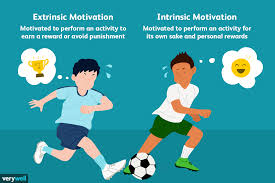
But they are quite simple. Intrinsic motivation is from within. It’s doing something because you love it.
You enjoy the activity itself. The reward is the doing. For example, reading a book for fun.
Or playing a game you love. You feel good while doing it. It’s satisfying on its own.
No outside prize is needed.
Extrinsic motivation comes from outside. It’s doing something for a reward. Or to avoid a punishment.
Think of getting paid for work. Or studying to pass a test. The reason is external.
The reward is the outcome. Not the task itself. You might not love the job.
But you do it for the paycheck. You might not like studying. But you do it to get a good grade.
Both types are important. They push us forward in different ways.
Motivation Types at a Glance
Intrinsic Motivation
What it is: Doing something for its own sake.
Feels like: Enjoyment, interest, personal satisfaction.
Examples: Hobbies, learning a new skill for fun.
Extrinsic Motivation
What it is: Doing something for an external reward or to avoid punishment.
Feels like: Pressure, obligation, desire for prize.
Examples: Earning money, getting good grades, avoiding fines.
Often, these two types work together. A job can be interesting (intrinsic). But it also pays well (extrinsic).
This can create strong motivation. Sometimes, an external reward can even boost inner interest. If someone praises your hobby, you might enjoy it more.
But too much external reward can hurt inner interest. If you only do a fun task for money, it might feel like work.
The Core Needs: What Our Brains Really Crave
Psychologists have found that we all share certain basic needs. When these needs are met, we feel more motivated. These needs are deeply human.
They are not about fancy things. They are about feeling good about ourselves. And feeling good in the world.
The main needs are autonomy. Then competence. And relatedness.
Meeting these needs is powerful.
Autonomy is about choice. It’s about feeling like you are in charge. You get to decide what you do.
You feel like your actions are your own. Not forced by others. This feeling of control is vital.
When you feel you have a say, you’re more likely to try harder. And stick with it longer. Think about a kid who gets to pick their own chore.
They might do it better than if you told them exactly what to do.
Competence is about feeling good at something. It’s about mastering skills. It’s about feeling capable.
When you learn a new skill and get good at it, you feel proud. This makes you want to learn more. And do more.
It’s like leveling up in a game. Each win builds your confidence. And your desire to face the next challenge.
Small successes add up here.
Relatedness is about connection. It’s about feeling close to others. It’s about belonging.
We need to feel liked. We need to feel cared for. Having good relationships fuels our motivation.
Working on a team for a common goal. Or having friends cheer you on. This makes difficult tasks feel easier.
It makes achievements feel more rewarding. We are social creatures, after all.
When these three needs are met, we naturally become more motivated. We feel more engaged. We feel more fulfilled.
This is true for work. It’s true for hobbies. It’s true for learning.
Even for simple daily tasks. So, think about your own life. Are you getting enough choice?
Do you feel good at what you do? Do you feel connected to others?
A Personal Story: When My Motivation Hit Rock Bottom
I remember a time a few years ago. I was working on a big project. It was for a client I really wanted to impress.
At first, I was so excited. I had tons of ideas. I worked late nights.
I felt that great buzz of getting things done. But then, a few things went wrong. The client changed their mind.
A key team member quit. Deadlines kept getting pushed. The project felt like a giant uphill battle.
My initial excitement faded fast. I started dreading opening my email. The joy I felt from creating disappeared.
I felt overwhelmed. I felt like a failure. My motivation was gone.
I would stare at my screen for hours. Doing nothing. I felt a knot of anxiety in my stomach.
My work quality dropped. I felt stuck and miserable. I knew I had to do something.
But I didn’t know where to start. It felt like my inner engine had completely run out of gas.
I just wanted to give up. I felt so drained. I remember one evening.
I sat in my office. The clock showed 10 PM. I hadn’t accomplished anything all day.
I just felt this heavy sadness. And a lot of frustration. I had let myself down.
And the client. It was a tough period. It taught me a lot about how fragile motivation can be.
And how external factors can crush it if you’re not careful.
That’s when I realized I couldn’t just wait for motivation to come back. I had to actively build it again. I had to find little sparks.
And fan them into flames. It wasn’t easy. It took time.
And a lot of self-talk. I started breaking tasks down. Really small.
So small they felt doable. I celebrated tiny wins. Like sending one email.
Or finishing one paragraph. It felt silly at first. But it started to shift things.
I also reached out to a trusted colleague. Just talking about it helped. Hearing that they had felt similar things was a relief.
It made me feel less alone. Less like a failure. We brainstormed solutions together.
This brought back a sense of competence. And relatedness. Slowly, piece by piece, I rebuilt my drive.
It was a powerful lesson. Motivation isn’t magic. It’s a process.
And sometimes, it needs tending.
The Power of Goals: Making Your Aims Clear
Goals are like roadmaps. They show us where we want to go. They give our efforts direction.
Without goals, we can drift. We might not know what we are working towards. Clear goals make our motivation stronger.
They give us something to aim for. They help us measure progress. Setting good goals is a skill.
We often hear about SMART goals. This is a good way to think about it. SMART stands for Specific, Measurable, Achievable, Relevant, and Time-bound.
Let’s break that down. A goal needs to be Specific. Instead of “get fit,” try “run a 5k race.” That’s clear.
It needs to be Measurable. How will you know you’ve reached it? “Run a 5k race in under 30 minutes.” You can track your time.
For work, maybe it’s “Increase sales by 10%.” You can measure the percentage.
The goal should be Achievable. It needs to be realistic for you. If you’ve never run before, aiming for a marathon next week is not smart.
Aiming for a 5k in a few months is better.
It must be Relevant. Does the goal matter to you? Does it fit with your bigger life plans?
If you hate running, forcing yourself to train for a race might not be worth it. Find something that truly matters to you.
Finally, it needs to be Time-bound. You need a deadline. “Run a 5k race in under 30 minutes by October 1st.” This creates urgency.
It helps you plan your steps. Without a deadline, goals can drag on forever.
SMART Goals Checklist
- Specific: Clearly define what you want to achieve.
- Measurable: How will you track your progress and success?
- Achievable: Is the goal realistic for your current situation?
- Relevant: Does the goal align with your values and overall objectives?
- Time-bound: Set a clear deadline for completion.
When you set clear, well-defined goals, your motivation has a clear target. You can see what you’re working towards. This makes it easier to stay focused.
It also helps you feel a sense of accomplishment. As you check off milestones. That feeling of progress fuels more motivation.
The Brain’s Reward System: Dopamine and Drive
Our brains have a built-in reward system. It’s largely driven by a chemical called dopamine. Dopamine is often called the “feel-good” chemical.
But it’s more complex than that. It’s not just about pleasure. It’s also about anticipation.
And motivation. Dopamine is released when we expect a reward. It drives us to seek out things that feel good.
Or that we think will lead to good things.
When you achieve a goal, even a small one, dopamine is released. This makes you feel good. This feeling encourages you to repeat the behavior.
It’s a feedback loop. You do something, you get a reward (even a small brain reward), you feel good, you want to do it again. This is super important for learning.
And for staying motivated.
Think about scrolling through social media. Each notification, like, or comment can give a small dopamine hit. This makes you want to keep checking your phone.
This is an example of how reward systems can be very powerful. And sometimes, they can lead us down less productive paths if we’re not careful.
The anticipation of a reward is often a bigger motivator than the reward itself. This is why planning and looking forward to something can be so effective. Imagine planning a vacation.
The planning part itself can be exciting. You’re anticipating the good times. Your brain releases dopamine just thinking about it.
This anticipatory dopamine is a key driver of motivation.
So, how can you use this? Break down big tasks into smaller steps. Each step completed is a small win.
A small dopamine release. This keeps the motivation engine running. Also, focus on the process, not just the end result.
Enjoying the journey can be just as rewarding as reaching the destination.
Boosting Dopamine Naturally
- Set Achievable Goals: Small wins release dopamine.
- Celebrate Progress: Acknowledge your achievements, big or small.
- Engage in Hobbies: Activities you enjoy naturally boost dopamine.
- Exercise Regularly: Physical activity is a proven mood and dopamine enhancer.
- Eat Well: Foods like lean meats, eggs, and dairy can support dopamine production.
- Get Enough Sleep: Sleep is crucial for brain chemistry regulation.
It’s important to remember that dopamine itself isn’t good or bad. It’s a natural brain chemical. It’s how we use it that matters.
We can harness its power to drive us towards positive goals. Or we can fall into patterns that are less helpful. Understanding this system gives us more control.
The Role of Environment: How Surroundings Shape Drive
Where we spend our time has a big impact. Our surroundings can either boost or drain our motivation. Think about your workspace.
Is it clean and organized? Or is it cluttered and chaotic? A tidy space can help clear your mind.
It can make it easier to focus. A messy space can be distracting. It can create a sense of overwhelm.
The people around us also matter. If you’re surrounded by positive, motivated people, you’re likely to feel more motivated yourself. They can inspire you.
They can offer support. If you’re around people who are negative or unmotivated, it can bring you down. It can make it harder to keep your own drive up.
This is sometimes called social contagion.
Consider the physical environment too. Natural light can boost mood. And energy levels.
A comfortable chair can make it easier to sit and work. Having the right tools readily available also helps. If you have to search for everything, it wastes time and breaks your flow.
I once worked from a coffee shop for a few weeks. The background noise. The general hum of people working.
It actually helped me focus. It gave me a sense of purpose. Being around others who were also working felt motivating.
It was a change from my quiet home office. And it made a real difference for me at that time. It showed me how much environment can matter.
The design of a space can also influence behavior. Bright colors can energize. Calming colors can help with focus.
Even the layout of a room can guide you. For example, if your gym equipment is out and visible, you’re more likely to use it. If it’s hidden away, it’s easier to forget about it.
Think about your own environment. What changes could you make? Could you tidy up your desk?
Could you add a plant? Could you spend more time with motivated friends? Even small changes can have a big effect on how you feel.
And how much you get done.
Quick Environment Boosts
- Declutter: Tidy your workspace.
- Add Greenery: Plants can improve mood and air quality.
- Natural Light: Open blinds or sit near a window.
- Comfort: Ensure your chair and desk are comfortable.
- Inspiration: Display quotes or images that motivate you.
Habits and Routines: The Power of Consistency
Motivation can be a fickle friend. It comes and goes. Habits, on the other hand, are reliable.
They are the things we do automatically. Without much thought. Building good habits is a powerful way to sustain motivation.
Even when inspiration is low.
Think about brushing your teeth. You probably don’t need much motivation to do it. It’s a habit.
You just do it. Because you’ve done it so many times. The same principle applies to other areas of your life.
If you want to write every day, make it a habit. Set a specific time. Set a specific place.
The key is consistency. Start small. Don’t try to write a whole chapter on day one.
Aim for 15 minutes. Or 100 words. The goal is to build the habit.
Not to achieve perfection. Once the habit is strong, you can increase the challenge. But the foundation is in regular practice.
James Clear talks about this in his book “Atomic Habits.” He emphasizes that habits are more important than goals. Goals are about the future you want. Habits are about the systems that get you there.
You can have a goal to run a marathon. But your running habit is what will get you to the finish line. It’s the daily effort.
Routines provide structure. They reduce the need for constant decision-making. When you have a morning routine, for example, you know what to do.
You don’t have to think, “What should I do now?” This saves mental energy. And makes it easier to start your day with purpose.
For example, I used to struggle with starting my workday. I’d get distracted easily. Then, I created a simple morning routine.
I would wake up, drink water, do 10 minutes of stretching, and then sit down at my desk. Only then would I check email. This small routine made a huge difference.
It signaled to my brain that it was time to work. And the stretching helped wake me up.
Building habits takes time. Don’t get discouraged if you miss a day. Just get back on track the next day.
The goal is progress, not perfection. Small, consistent actions add up. They build momentum.
And they create a reliable source of motivation.
What This Means for You: When is it Normal?
It’s completely normal to have fluctuations in motivation. Nobody is motivated 100% of the time. We all have days when we feel tired.
Or uninspired. This is part of being human. What matters is how you respond to these dips.
When motivation is normal:
- You feel generally interested in your tasks or goals.
- You can push yourself to start things, even if you don’t feel like it.
- You experience satisfaction when you make progress.
- You bounce back after setbacks.
- Your motivation levels are influenced by external factors but don’t disappear entirely.
When to pay closer attention (potential concern):
- A persistent lack of interest in things you used to enjoy.
- Feeling overwhelmed and unable to start tasks, even small ones.
- Constant fatigue or low energy that impacts your daily life.
- Feelings of hopelessness or worthlessness.
- Difficulty concentrating or making decisions.
- Changes in sleep or appetite.
If you recognize several of these signs, it might be helpful to talk to someone. A doctor or a therapist can offer support and guidance. Sometimes, underlying health issues or mental health conditions can affect motivation.
There’s no shame in seeking help. It’s a sign of strength. And self-care.
Think about your own motivation patterns. Are your dips normal, or are they signals that something else is going on? Be kind to yourself.
Understanding your own rhythms is key.
Quick Tips to Boost Your Motivation
Here are some simple things you can try right now. They are small steps. But they can make a difference.
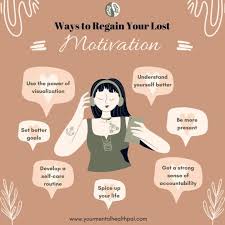
- Break it Down: Take a big task and divide it into tiny steps. Focus on just the first step.
- Set a Timer: Work for just 25 minutes. Then take a short break. This is the Pomodoro Technique. It makes tasks feel less daunting.
- Change Your Scenery: If you’re stuck, move to a different room. Or go for a short walk outside. A change of pace can refresh your mind.
- Visualize Success: Spend a moment imagining yourself achieving your goal. How will it feel? This can boost your desire.
- Find an Accountability Partner: Tell a friend or colleague what you plan to do. Ask them to check in with you.
- Reward Yourself: Plan a small reward for completing a task or reaching a milestone. A cup of coffee. A short break.
- Listen to Music: Upbeat music can boost energy and mood. Find songs that get you going.
Motivation Quick Wins
Tiny Steps
Break tasks into very small parts.
Timer Power
Work in short, focused bursts (like 25 min).
Move Your Body
A quick walk can reset your mind.
Visualize It
Imagine the feeling of success.
Buddy Up
Find someone to keep you on track.
Small Treats
Plan a little reward for yourself.
Remember, these are tools. Use them when you need them. Don’t expect miracles overnight.
Consistency is key. Even small, regular efforts will build momentum over time.
Frequently Asked Questions
What’s the difference between motivation and inspiration?
Inspiration is often a sudden spark. It’s a feeling of wanting to do something. Motivation is the sustained drive.
It’s the energy that keeps you going. You might feel inspired to write a book. But motivation is what helps you actually write it.
Day after day.
Can I become addicted to things that give me dopamine hits?
Yes, this is possible. Things like gambling, certain foods, or even social media can overstimulate the brain’s reward system. This can lead to addictive behaviors.
It’s important to find a balance. And engage in healthy activities that also provide positive feelings.
How do I stay motivated when I’m facing a lot of criticism?
Criticism can be tough. First, try to see if the criticism is valid. If it is, use it as feedback to improve.
If it’s not, try to let it go. Focus on your own goals. And surround yourself with supportive people.
Remembering why you started can also help.
Is it bad to rely on external rewards for motivation?
Not entirely. External rewards can be useful, especially for tasks that aren’t inherently interesting. The key is balance.
Over-reliance on external rewards can sometimes reduce your intrinsic interest. Try to find tasks that have some level of enjoyment. Or focus on the skills you’re building.
How can I help motivate someone else?
You can’t force someone to be motivated. But you can support them. Listen to them.
Offer encouragement. Help them break down tasks. Celebrate their successes.
Remind them of their strengths. Sometimes, just knowing someone believes in them makes a big difference.
What is the best time of day to tackle difficult tasks?
This depends on the person. Many people feel most alert and focused in the morning. Others do better later in the day.
Pay attention to your own energy levels. When do you feel sharpest? Schedule your most demanding tasks for those times.
Final Thoughts on Your Drive
Motivation is a powerful force. It comes from within and without. It’s tied to our basic human needs.
And the way our brains work. Understanding these forces helps us tap into our own drive. Or help others find theirs.
It’s not always easy. But it is always worth the effort. Keep exploring what makes you tick.